Categories








































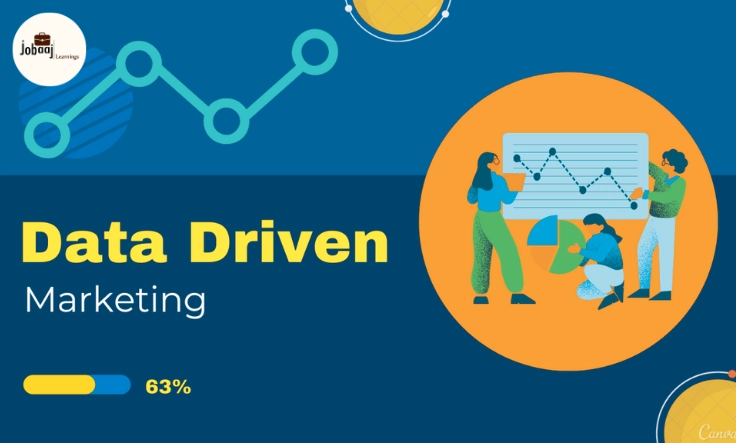
Imagine this: You’ve just launched a new product, and you're eager to drive sales. You know you need to market it effectively, but you’re unsure where to begin. You could take a guess and try some general marketing strategies, or you could make smarter decisions by using data. By leveraging customer data, website analytics, and market trends, you could pinpoint exactly who your target audience is, what messages will resonate with them, and where to focus your efforts. This is the power of a data-driven marketing strategy. In today’s world, marketing based on insights rather than gut feeling is not just an option—it’s a necessity.
Exploring a career in Performance Marketing? Apply Now!
A data-driven marketing strategy allows you to make informed decisions, personalize customer experiences, and optimize your campaigns for better results. In this blog, we’ll break down how to create a successful data-driven marketing strategy that will drive growth and improve ROI.
1. Define Your Marketing Goals and Objectives
The first step in creating a data-driven marketing strategy is defining your marketing goals. What do you want to achieve with your marketing campaigns? Is it increasing brand awareness, driving website traffic, generating leads, or boosting sales? Defining clear goals helps you focus on the right metrics and ensures that your data collection efforts are aligned with your objectives.
Set specific, measurable goals: Rather than vague goals like "increase engagement," set specific targets such as "increase social media engagement by 20% over the next 3 months."
Align goals with business objectives: Your marketing goals should directly contribute to the broader business goals, whether it’s increasing revenue or expanding your market share.
By setting clear objectives, you give your marketing team a roadmap to follow, ensuring that all data collected serves a specific purpose.
2. Collect the Right Data
Now that you know your goals, it’s time to collect the right data. Data collection is the foundation of a data-driven marketing strategy, and it’s crucial to gather the most relevant information that will inform your decisions.
Here’s the data you should focus on:
Customer data: Collect demographic and behavioral data about your customers. This includes information like age, gender, location, purchase history, and online behavior.
Website analytics: Tools like Google Analytics can show how visitors are interacting with your website. You can track metrics like bounce rate, page views, average session duration, and conversion rates.
Social media insights: Platforms like Facebook, Instagram, and LinkedIn offer valuable insights into your audience’s behavior, including engagement rates, follower demographics, and interaction patterns.
Competitor analysis: Keep an eye on your competitors to understand their strengths and weaknesses. You can use tools like SEMrush or Ahrefs to track competitor traffic, keywords, and backlink strategies.
The key is to gather data that helps you understand your audience, their needs, and how they behave.
3. Analyze the Data
Once you have the data, it’s time to analyze it. Data analysis is where the magic happens. By looking at trends, patterns, and correlations, you can derive valuable insights that will guide your marketing decisions.
Here’s how to analyze your data:
Segment your audience: Use customer data to create different audience segments. This allows you to tailor your marketing messages to different groups of people based on their preferences and behavior.
Identify key trends: Look for patterns in the data that indicate opportunities for growth. For example, if your data shows that users who visit your blog tend to purchase more, you can focus on content marketing.
Use predictive analytics: Predictive analytics uses historical data to forecast future trends and behaviors. For instance, it can help you predict customer lifetime value (CLV) or forecast which products are likely to be popular.
By analyzing your data, you can identify what’s working, what’s not, and what needs to be adjusted.
4. Implement Personalization
Personalization is one of the most powerful benefits of a data-driven marketing strategy. Once you understand your audience, you can tailor your marketing campaigns to meet their specific needs and preferences. Personalized marketing has been proven to increase engagement and conversion rates.
Here’s how to implement personalization:
Email marketing: Use customer data to send personalized email content, such as product recommendations based on past purchases or content relevant to their interests.
Dynamic website content: Change the content on your website based on who’s visiting. For example, show different offers to first-time visitors versus returning customers.
Targeted ads: Use data to create highly targeted ads that are more likely to resonate with your audience. Platforms like Facebook and Google Ads allow you to target ads based on demographics, behavior, and interests.
Personalization not only improves customer experience but also increases the effectiveness of your campaigns, leading to better results.
5. Optimize Campaigns Continuously
The beauty of a data-driven marketing strategy is that it’s always evolving. Once your campaigns are live, you can track their performance and continuously optimize them for better results. A/B testing, or split testing, is a great way to test different elements of your campaigns, such as ad copy, subject lines, or landing page design.
Here’s how to optimize campaigns:
Run A/B tests: Test different versions of your ads, emails, or landing pages to see which one performs better.
Monitor key metrics: Keep track of metrics like conversion rate, cost per acquisition (CPA), and return on investment (ROI) to see how well your campaigns are performing.
Iterate and improve: Use the data you collect to refine and improve your campaigns over time. Continuously tweaking your approach ensures that you’re always optimizing for the best results.
Optimization is an ongoing process, and it helps ensure that your marketing strategy delivers the best possible outcomes.
6. Use the Right Tools for Data-Driven Marketing
To effectively manage and analyze your data, you need the right tools. There are numerous tools available that can help you streamline your data collection, analysis, and campaign optimization.
Google Analytics: Tracks website traffic, conversions, and user behavior.
HubSpot: Offers tools for lead tracking, customer relationship management, and data analysis.
SEMrush or Ahrefs: Use these tools for competitive analysis and keyword research.
Mailchimp: Helps with email campaign automation and analytics.
Using the right tools ensures that you can gather accurate data and make informed decisions based on real-time insights.
Conclusion
Creating a data-driven marketing strategy allows you to make informed decisions, personalize your marketing efforts, and continually optimize your campaigns for the best results. By defining your goals, collecting the right data, analyzing it effectively, and continuously improving, you can build a marketing strategy that drives growth and maximizes ROI. In today’s competitive digital landscape, leveraging data is no longer optional—it’s essential for success.
Dreaming of a Performance Marketing Career? Start with Performance Marketing Certificate with Jobaaj Learnings.
Frequently asked questions
What is a data-driven marketing strategy?
A data-driven marketing strategy uses data and analytics to guide marketing decisions, optimize campaigns, and personalize content to meet customer needs and improve results.
How do I collect data for my marketing strategy?
Data can be collected from a variety of sources, including customer data, website analytics, social media insights, and competitor analysis. Use tools like Google Analytics or CRM software to gather this data.
What are the benefits of a data-driven marketing strategy?
A data-driven strategy helps you make more informed decisions, personalize your marketing efforts, optimize campaigns for better ROI, and enhance customer experiences.
How can I analyze data for marketing?
Analyze data by segmenting your audience, identifying trends, and using predictive analytics to forecast future behavior. Tools like Google Analytics and HubSpot can help with data analysis.
What is A/B testing, and how does it help in marketing?
A/B testing involves testing different versions of a campaign to see which one performs better. It helps you optimize ads, emails, and landing pages for higher conversion rates.
What tools can help me manage a data-driven marketing strategy?
Tools like Google Analytics, HubSpot, SEMrush, and Mailchimp can help you track data, analyze performance, and optimize campaigns for better results.

Join 5,00,000+ Subscribers
Be a part of our ever growing community.