Categories






































How to Handle a Case Study Interview at Consulting Firms Like Bain & Company

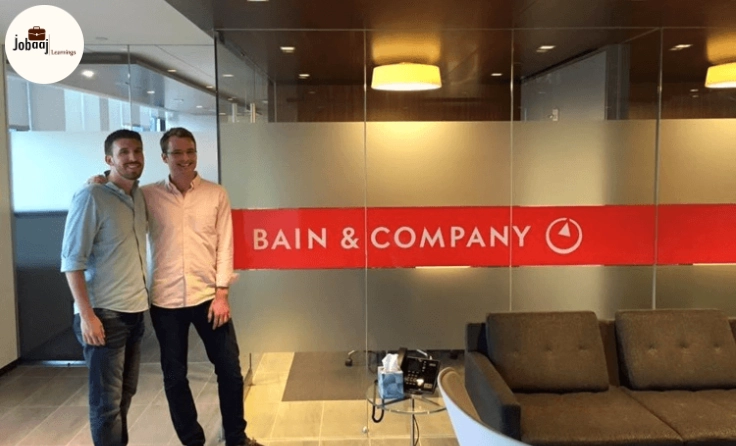
Picture this: You’ve secured an interview at Bain & Company, one of the most prestigious consulting firms in the world. As you walk into the room, the interviewer greets you with a friendly smile, but you know the real challenge is about to begin. They hand you a case study and say, “We’d like to see how you approach this problem.” Suddenly, the atmosphere shifts, and you realize this is your moment to shine. Case study interviews are integral to consulting firms like Bain, McKinsey, and BCG. They test your ability to analyze complex business problems, think critically, and provide actionable solutions. But don’t worry—you’re not alone in feeling nervous. In this blog, we’ll walk through how to handle case study interviews, from understanding the structure to delivering a confident solution.
1. What is a Case Study Interview?
Case study interviews are a standard part of the hiring process at consulting firms like Bain & Company. They are designed to assess how well you can analyze and solve business problems. During the interview, you are given a hypothetical business scenario and asked to provide a solution, often under time constraints. The case could range from market entry strategies to cost-cutting measures, and it could involve quantitative analysis or qualitative reasoning.
The interviewer is not only evaluating your final answer but also how you approach the problem, your communication skills, and your ability to think logically and structure your response.
How to Approach a Case Study Interview: Step-by-Step
Step 1: Listen Carefully to the Case Study
The first step in handling a case study is to listen carefully and understand the problem. Sometimes, candidates are so eager to jump into the analysis that they overlook key details provided in the case. Pay attention to the objectives, any constraints mentioned, and ask for clarifications if something is unclear.
Example:
Your case study might involve a company looking to enter a new market. Clarify which markets they are considering and what the company’s objectives are—whether it's gaining market share, improving profitability, or something else.
Step 2: Structure Your Approach
Once you understand the case, it’s important to structure your approach logically. Break down the problem into smaller, manageable components. Use frameworks like the SWOT analysis (Strengths, Weaknesses, Opportunities, Threats), Porter’s Five Forces, or the 4Ps (Product, Price, Place, Promotion) to organize your thinking.
For example, you might begin by analyzing the market, competitors, and customer needs before moving on to a solution. Clearly communicate this structure to the interviewer, so they know how you’re thinking.
Step 3: Analyze the Data
Once you have a framework in place, dive into the data. This could involve numbers provided in the case or qualitative insights from market research. Calculate relevant metrics like market size, cost estimates, and potential profit margins. In some cases, you may need to make assumptions based on the data you’ve been given.
Example:
If the case provides sales data from a new product launch, calculate key metrics like the break-even point, margin of safety, or customer acquisition cost.
Step 4: Provide a Structured Solution
As you develop your solution, make sure to structure your response clearly and logically. Break down the steps you would take to address the problem, using the framework and analysis you’ve discussed. Be specific about your recommendations and back them up with data and insights you’ve gathered.
Common Types of Case Studies at Bain & Company
While every case is different, there are common types of cases you can expect at Bain & Company and other top consulting firms.
Market Entry Case Studies
These focus on whether a company should enter a new market. You’ll analyze market size, competition, customer needs, and other factors before making your recommendation.
Profitability Case Studies
In these cases, the company’s profitability is declining, and you’ll need to figure out the root cause and recommend solutions—whether it's reducing costs or increasing revenue.
Mergers and Acquisitions (M&A) Case Studies
These cases often require you to evaluate the potential merger or acquisition of two companies, focusing on synergies, valuation, and market fit.
Growth Strategy Case Studies
You may be asked to help a company figure out how to grow—through new products, geographical expansion, or partnerships.
Tips for Success in Case Study Interviews
-
Practice, Practice, Practice: The more you practice with real case studies, the more confident you will become. Use resources like Case in Point or Caseinterview.com to find practice problems.
-
Think Aloud: Share your thought process with the interviewer. They want to see how you think, not just the final answer. Explain how you’re breaking down the problem and why you’re using a particular framework or methodology.
-
Stay Calm and Confident: Case study interviews can be stressful, but it’s important to stay calm and think critically. If you don’t know the exact answer, focus on explaining how you would approach the problem and make educated guesses.
-
Engage with the Interviewer: The case study is a two-way conversation. Ask clarifying questions when needed, and feel free to discuss your assumptions with the interviewer.
Conclusion
Handling a case study interview at Bain & Company or any other consulting firm is all about demonstrating your problem-solving abilities, logical thinking, and structured approach to business challenges. Remember, the process isn’t just about finding the right answer, but showing how you approach complex problems. By practicing case studies, refining your frameworks, and maintaining a calm and confident attitude, you can navigate these interviews with ease. With the right preparation, you’ll be ready to impress interviewers and take the next step toward landing your dream role in consulting.
Frequently asked questions
What is a case study interview?
A case study interview is a type of interview where candidates are presented with a business problem and are asked to solve it, demonstrating their analytical and problem-solving skills. It’s a common interview format in consulting firms like Bain & Company.
How do I prepare for a case study interview?
Prepare by practicing with real case studies, learning frameworks like SWOT, Porter’s Five Forces, and the 4Ps, and developing your ability to think critically and structure your responses. Mock interviews with peers or mentors can also help.
What frameworks are commonly used in case study interviews?
Common frameworks include SWOT analysis, Porter’s Five Forces, the 4Ps (Product, Price, Place, Promotion), and the BCG Matrix. These frameworks help structure your analysis and guide your solution development.
How do I stay calm during a case study interview?
Stay calm by practicing regularly and preparing thoroughly. During the interview, take deep breaths, listen carefully, and think aloud so the interviewer can see your thought process. Focus on explaining your approach clearly, even if you’re unsure of the final answer.
What should I focus on during the case study interview?
Focus on your problem-solving approach, your ability to break down the problem logically, and your communication skills. It’s as important to explain your reasoning clearly as it is to reach the correct answer.
How do I handle quantitative analysis in case studies?
For quantitative case studies, take the time to break down the numbers and calculate important metrics like revenue, costs, and margins. Always check your calculations and explain your assumptions clearly to the interviewer.
Join 5,00,000+ Subscribers
Be a part of our ever growing community.
Related reads

Consulting Case Interview Questions and Answers 2026 (McKinsey, BCG, Bain Guide)

Product Case Study Examples for Interviews 2026: PM Case Questions, Frameworks and Answers Guide