Categories














/content/learnings/assets/header/ManagementConsulting.svg)
/content/learnings/assets/header/InvestmentBanking.svg)



























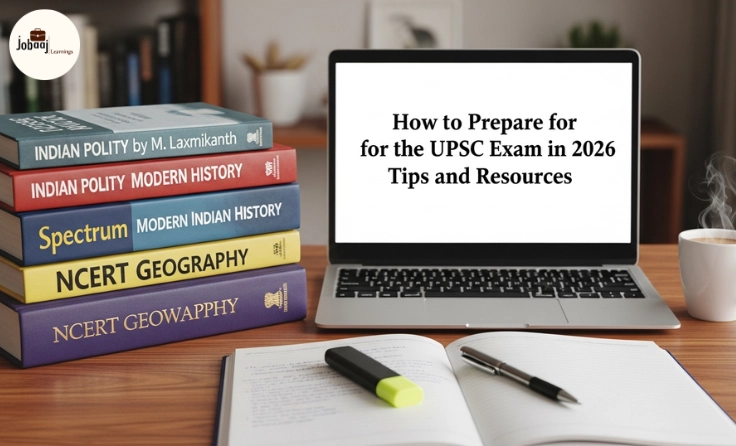
The UPSC Civil Services Exam is often regarded as one of the toughest exams in India, and for good reason. Thousands of aspirants across the country dream of becoming part of the Indian Administrative Service (IAS), Indian Police Services (IPS), or Indian Foreign Services (IFS). The exam opens the door to prestigious and impactful roles in the government, offering career opportunities in administration, law enforcement, and diplomacy.
But for those who have never attempted the UPSC exam before, the process can feel overwhelming. The syllabus is vast, the competition is fierce, and the stakes are high. So, how do you navigate this challenging path? In this blog, we’ll walk you through how to prepare for the UPSC exam in 2026, offering tips, strategies, and resources that will make your preparation not only effective but also manageable.
Understanding the UPSC Exam
Before diving into preparation tips, let’s first understand the structure of the UPSC exam.
The UPSC Civil Services Exam consists of three main stages:
-
Preliminary Exam (Prelims): This is a screening test with two papers General Studies and CSAT (Civil Services Aptitude Test).
-
Main Exam (Mains): This is the most challenging phase and consists of nine papers, including General Studies, Essay writing, and an optional subject of your choice.
-
Interview (Personality Test): After clearing the mains, candidates are called for the final interview, which assesses your personality, decision-making ability, and suitability for a career in civil services.
Given the complexity of this exam, let’s break down each stage and understand how to tackle them efficiently.
Tips for UPSC Prelims Preparation
1. Understand the Syllabus Thoroughly
The first step towards effective preparation is knowing the syllabus inside and out. The Prelims exam tests your general knowledge and comprehension. It’s crucial to focus on:
-
General Studies Paper: Covers topics like Indian Polity, History, Geography, Economics, Environment, and Current Affairs.
-
CSAT Paper: Tests your aptitude, reasoning skills, and basic English comprehension.
Tip: Make a study plan that covers each of these subjects systematically. Don’t leave any topic out, as UPSC tends to ask questions from all areas.
2. Focus on Current Affairs
The UPSC Prelims is very much about staying updated with current affairs. Read newspapers like The Hindu or The Indian Express, and supplement your knowledge with monthly current affairs magazines like Vision IAS or Insights on India.
Tip: Make short notes of important current events. This will be helpful for both Prelims and Mains.
3. Practice Mock Tests Regularly
Mock tests help you get used to the exam pattern and time constraints. By practicing regularly, you’ll improve your speed and accuracy.
Tip: Use platforms like ClearIAS or BYJU’s to access free or paid mock tests. Simulate real exam conditions and attempt questions with a timer.
4. Revise, Revise, Revise
Prelims may seem like a huge challenge due to the vast syllabus, but revision is the key. The more you revise, the better your retention.
Tip: Set aside dedicated revision time each week to go through your notes and practice questions from previous exams.
Tips for UPSC Mains Preparation
1. Choose the Right Optional Subject
One of the most critical decisions in your UPSC preparation is selecting your optional subject. This subject can make a significant difference in your score, so choose wisely.
Tip: Pick a subject that aligns with your interests and background. If you have a solid foundation in a particular subject, like Geography or Anthropology, it can make Mains preparation easier.
2. Master General Studies
The General Studies papers in Mains cover a wide range of topics like Indian Polity, Geography, Economics, Ethics, and Governance.
Tip: Focus on in-depth understanding, not rote memorization. Make mind maps, diagrams, and use online resources like Mrunal’s YouTube lectures or Vision IAS notes to gain clarity.
3. Essay Writing Practice
The Essay Paper in Mains can be a game-changer. It tests your ability to express your ideas clearly and logically.
Tip: Practice writing essays regularly. Choose contemporary topics, analyze them critically, and develop structured arguments. Use real-world examples, and practice time-bound writing.
4. Ethics Paper
The Ethics, Integrity, and Aptitude paper is part of the General Studies papers in Mains. While it sounds intimidating, it’s a scoring subject if you understand the concepts.
Tip: Read books like Lexicon for Ethics or Ethics by Subba Rao. Follow case studies and ethical dilemmas to strengthen your grasp on the subject.
Tips for the UPSC Interview
Once you’ve cleared both the Prelims and Mains, the UPSC interview awaits. While it’s more like a personality test, your performance here plays a crucial role in determining your final ranking.
1. Know Yourself
The interview panel is likely to ask questions based on your DAF (Detailed Application Form). Be prepared to talk about your educational background, hobbies, family background, and your perspectives on key national issues.
Tip: Practice mock interviews with friends, mentors, or coaching centers to improve your confidence.
2. Stay Calm and Composed
Unlike the written exams, the interview is an interactive session. They want to assess your composure, critical thinking, and communication skills.
Tip: Take deep breaths and answer thoughtfully. Don’t rush, and remember, the interview is not just about getting the right answers but showcasing your personality.
Resources to Aid Your Preparation
Here are some of the best resources to help you in your UPSC journey:
-
Books:
-
Indian Polity by M. Laxmikanth
-
Economic Survey and Budget
-
Geography by Majid Husain
-
Ethics by Subba Rao
-
-
Online Platforms:
-
Vision IAS
-
BYJU’s UPSC Preparation
-
Mrunal.org
-
-
Current Affairs:
-
The Hindu newspaper
-
Yojana and Kurukshetra magazines
-
-
YouTube Channels:
-
Mrunal for Economics and Current Affairs
-
Unacademy UPSC
-
Conclusion
Preparing for the UPSC exam in 2026 can seem like a daunting task, but with the right strategy, resources, and mindset, it is entirely achievable. The key to success lies in consistent effort, smart planning, and practicing self-discipline.
By following the tips outlined above and staying committed to your goal, you will be well-equipped to tackle both the Prelims and Mains, and even ace the interview. Remember, the journey might be long, but the rewards—both personal and professional—are well worth it.
Keep your focus, stay persistent, and start your preparation today. 2026 could very well be the year you step into the world of civil services.
Frequently asked questions
What is the UPSC Civil Services Exam?
The UPSC Civil Services Exam is one of the most prestigious exams in India, offering entry into various government services such as Indian Administrative Services (IAS), Indian Police Services (IPS), and Indian Foreign Services (IFS). It consists of three stages: Prelims, Mains, and the Interview.
What is the syllabus for UPSC Prelims?
The UPSC Prelims exam consists of two papers: General Studies and CSAT (Civil Services Aptitude Test). The General Studies paper covers subjects like Indian Polity, History, Geography, Economics, Environment, and Current Affairs. The CSAT paper tests your reasoning ability, quantitative aptitude, and basic English comprehension.
How should I prepare for the UPSC Mains?
The UPSC Mains consists of nine papers, including General Studies, Essay writing, and an Optional Subject. Focus on in-depth understanding of subjects like Polity, Geography, Ethics, and Economics. Additionally, practice essay writing and ensure you’re well-prepared for the Descriptive paper.
What are the best resources for UPSC preparation?
Some recommended resources include: - **Books**: Indian Polity by M. Laxmikanth, Economic Survey, Geography by Majid Husain, Ethics by Subba Rao. - **Online Platforms**: Vision IAS, BYJU’s UPSC preparation, Mrunal.org. - **Current Affairs**: The Hindu newspaper, Yojana, and Kurukshetra magazines.
How long should I prepare for UPSC exams?
Ideally, 6 months to a year of focused preparation is recommended for UPSC exams. Start as early as possible and break down your preparation into phases for Prelims, Mains, and Interview preparation. Consistency and regular revision are key.
How can I improve my writing skills for UPSC exams?
For Mains, writing skills are crucial, especially for the Essay and General Studies papers. Practice writing essays regularly, structure your thoughts clearly, and focus on articulation. You can also join writing workshops or seek feedback on your written content to improve your skills.

Join 5,00,000+ Subscribers
Be a part of our ever growing community.