Categories





































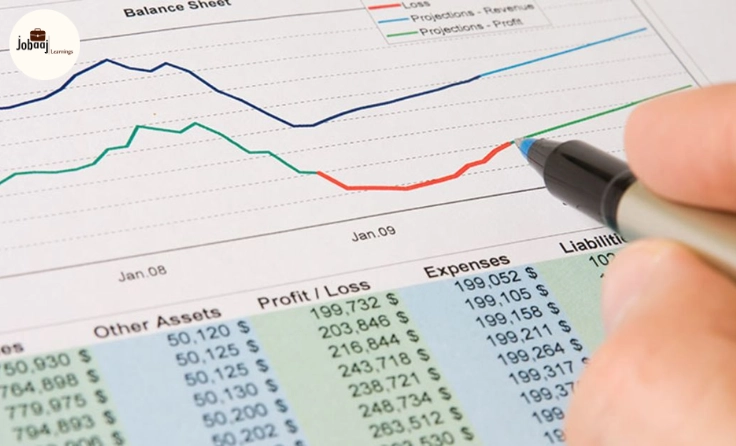
When it comes to making stock investments, it’s important to understand the financial health of a company. One of the best ways to assess this is by looking at its balance sheet. The balance sheet is a snapshot of a company's assets, liabilities, and shareholder equity at a specific point in time. It provides key insights into the company's stability, profitability, and potential for growth.
Exploring a career in Investment Banking? Apply now!
As an investor, understanding how to read and interpret this document can help you make more informed and confident investment decisions. In this blog, we’ll guide you through the essential elements of a balance sheet and explain how to use it for smarter stock investing.
What is a Balance Sheet?
At its core, a balance sheet is a financial snapshot of a company, showing what it owns and owes at a specific point in time. It’s called a “balance sheet” because it’s based on the fundamental accounting equation:
Assets = Liabilities + Shareholders’ Equity
-
Assets: What the company owns. These could be things like cash, buildings, inventory, or equipment.
-
Liabilities: What the company owes. This could include loans, accounts payable, or outstanding bills.
-
Shareholders’ Equity: The difference between what the company owns and owes. It’s essentially the value of the company for its shareholders.
The balance sheet is divided into two main sections—assets on the left and liabilities and equity on the right. The total of both sides should always match, keeping the balance intact.
Breaking Down the Balance Sheet
Now that we know the basic structure of a balance sheet, let’s dive deeper into what each section means and how to interpret it for stock investing.
1. Assets: What the Company Owns
Assets are divided into two categories: current assets and non-current assets (also known as long-term assets). Here’s what each means:
-
Current Assets: These are assets that the company can easily convert into cash within a year. Think of things like cash, accounts receivable (money owed to the company), and inventory. A high amount of current assets relative to liabilities can indicate good liquidity, which is important for paying short-term debts.
-
Non-Current Assets: These are assets that the company doesn’t expect to turn into cash within a year. They include property, plant, and equipment (like factories and machinery), intangible assets (like patents or trademarks), and investments. Non-current assets give you an idea of how the company is investing in its long-term growth.
A company with a strong base of both current and non-current assets typically has the ability to weather short-term challenges while also having the tools for long-term growth.
2. Liabilities: What the Company Owes
Liabilities also have two main categories: current liabilities and non-current liabilities.
-
Current Liabilities: These are the debts the company needs to pay off within a year. It includes things like accounts payable (money the company owes suppliers), short-term loans, and accrued expenses. A company with high current liabilities relative to current assets might struggle to meet its short-term obligations, which can raise red flags.
-
Non-Current Liabilities: These are long-term debts, such as long-term loans, bonds payable, or pension liabilities. Non-current liabilities tell you about the company’s long-term financial obligations. A company with excessive non-current liabilities might have to pay a lot of interest in the future, which can impact its profitability.
3. Shareholders' Equity: What’s Left for Investors
Shareholders’ equity represents the portion of the company that belongs to its owners (the shareholders). It’s the difference between total assets and total liabilities. If a company is doing well, its equity will grow over time.
Key components of shareholders' equity include:
-
Common Stock: The value of the company’s stock issued to shareholders.
-
Retained Earnings: The profits that the company has reinvested into the business rather than paid out as dividends.
-
Additional Paid-in Capital: Money paid by investors above the par value of the stock.
Shareholders' equity gives you a sense of the company’s financial strength and its ability to grow. A high or increasing equity value typically indicates that the company is generating profits and reinvesting them in ways that benefit shareholders.
Key Ratios to Look for When Reading a Balance Sheet
When reading a balance sheet for stock investing, there are a few key ratios you should look out for. These ratios give you a clearer picture of the company’s financial health and can help you spot potential red flags.
1. Current Ratio
The current ratio measures a company’s ability to pay off its short-term liabilities with its short-term assets. It’s calculated by:
Current Ratio = Current Assets / Current Liabilities
-
A ratio of 1 means the company has just enough assets to cover its short-term liabilities.
-
A ratio above 1 is generally considered a good sign, as it shows the company has more assets than liabilities.
-
A ratio below 1 could be a warning sign, as it indicates the company might struggle to meet its short-term obligations.
2. Debt-to-Equity Ratio
The debt-to-equity ratio compares the company’s total debt to its equity, helping you understand how much of the company’s financing comes from debt vs. its own funds. It’s calculated by:
Debt-to-Equity Ratio = Total Liabilities / Shareholders’ Equity
-
A higher ratio suggests the company is more leveraged (using debt to finance its operations), which can be risky.
-
A lower ratio indicates the company is using less debt and relying more on its equity, which is often seen as a more stable approach.
3. Return on Equity (ROE)
Return on equity (ROE) shows how well the company is using shareholders’ equity to generate profits. It’s calculated by:
ROE = Net Income / Shareholders' Equity
-
A higher ROE is generally a good sign, showing that the company is efficiently generating profits from its equity.
-
A low ROE could indicate poor financial performance or inefficiency.
How to Use a Balance Sheet for Stock Investing
When evaluating stocks, the balance sheet is just one piece of the puzzle, but it’s an important one. It helps you gauge the financial health of a company, how profitable it is, and how sustainable its growth might be.
-
Look for strong assets: A company with substantial assets relative to its liabilities has more room to grow and can weather economic downturns more effectively.
-
Monitor the debt levels: High levels of debt can be risky, especially for companies with unstable cash flow.
-
Track shareholder equity: Rising equity over time is a good sign of business growth and profitability.
-
Use financial ratios: Key ratios like the current ratio, debt-to-equity ratio, and ROE provide deeper insights into a company’s financial standing.
By regularly reviewing the balance sheet, you can better understand the true financial picture of the company you’re considering investing in. This can help you make smarter investment decisions and avoid risky stocks.
Conclusion
Understanding how to read a balance sheet is a vital skill for any stock investor. It’s the first place to look when assessing a company’s financial health, understanding its debt situation, and determining how well it is positioned for future growth. By focusing on key aspects like assets, liabilities, equity, and financial ratios, you’ll be able to make more informed decisions and avoid surprises down the road.
Remember, a strong balance sheet doesn’t guarantee a company will perform well in the stock market, but it does provide a solid foundation for growth and stability. With this knowledge in hand, you’ll be in a better position to evaluate potential investments and choose stocks that align with your financial goals.
Dreaming of a Finance career? Start with Investment Banking Certification with Jobaaj Learnings.
Frequently asked questions
What is a balance sheet in stock investing?
A balance sheet is a financial statement that shows a company’s assets, liabilities, and shareholders' equity at a specific point in time. It helps investors assess the company’s financial stability and growth potential.
How do you read a balance sheet for stock investing?
To read a balance sheet, focus on the assets, liabilities, and equity sections. Look at key ratios like the current ratio, debt-to-equity ratio, and return on equity to gauge the company’s financial health and stability.
What does the current ratio mean in a balance sheet?
The current ratio measures a company’s ability to pay off its short-term liabilities with its short-term assets. A ratio above 1 indicates that the company can cover its short-term obligations.
How important is the debt-to-equity ratio?
The debt-to-equity ratio helps investors understand how much of the company’s financing comes from debt versus its equity. A higher ratio means the company is more leveraged, which could indicate higher risk.
What is return on equity (ROE) in stock investing?
Return on equity (ROE) shows how effectively a company is using shareholders' equity to generate profits. A high ROE indicates the company is efficiently using its equity to drive growth.
Why should I look at a balance sheet before investing?
The balance sheet gives you a clear picture of a company's financial health, debt levels, and growth potential. By analyzing it, you can make more informed decisions and identify risks before investing in a stock.

Join 5,00,000+ Subscribers
Be a part of our ever growing community.
Related reads
Income Statement vs Balance Sheet vs Cash Flow Statement: Key Differences Explained (2026)

How to Analyze Financial Statements to Assess the Health of a Company in 2026