Categories








































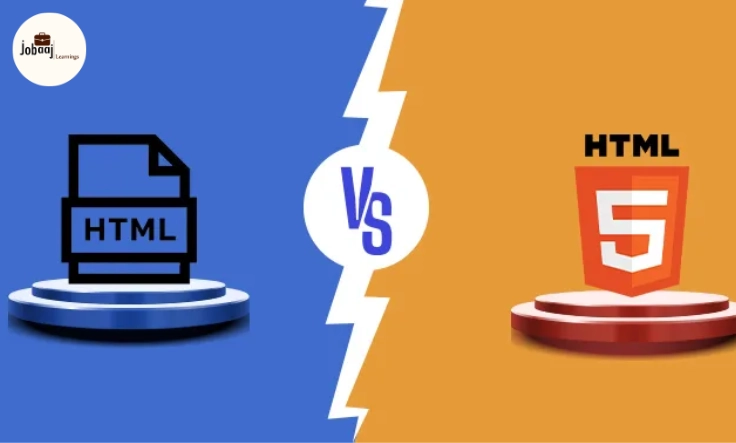
There was a time when the internet felt simple — almost quiet. Websites were like digital noticeboards with a few lines of text, maybe an image or two, and links scattered across a white screen. Back then, the web was powered by something called HTML — the basic language that told your browser what to show and where to show it. It was straightforward, functional, and reliable.
But as people started expecting more from the web — videos, games, music, animations, real-time updates — the old HTML started to fall short. Developers wanted to build experiences, not just pages. They wanted movement, emotion, and interactivity. And that’s when HTML5 entered the story — a smarter, faster, and more flexible version of the language that shaped the internet as we know it today.
The shift from HTML to HTML5 wasn’t just a technical upgrade. It was a transformation in how humans interact with the web.
Understanding HTML: The Foundation of the Web
To appreciate HTML5, we need to understand where it all began. HTML, which stands for HyperText Markup Language, is like the skeleton of a website. Every heading, paragraph, image, and link you see online is built using HTML tags.
When it first appeared in the early 1990s, the internet was still young. People used HTML to create pages with static content — information that didn’t change until someone manually updated the code. It was basic, but it worked.
However, as the web grew, so did our expectations. We wanted videos without downloading software, better layouts, more responsive pages, and interactive features that could work on all devices. But HTML, in its original form, wasn’t built for that. It relied heavily on plugins like Flash or Java to handle multimedia, which often made websites slower and less secure.
That’s when developers realized the world needed a new version — one that could handle the future of the web.
The Arrival of HTML5: The Revolution Begins
HTML5 officially arrived around 2014, and it quickly changed everything about web development. It wasn’t just a small update; it was a reinvention. HTML5 was designed with the modern internet in mind — one that runs smoothly on laptops, tablets, and smartphones alike.
Suddenly, developers could build dynamic, multimedia-rich websites using simple tags instead of bulky plugins. You could play videos directly in your browser, interact with animations, and even use certain websites offline. Everything became faster, smoother, and much more human-friendly.
HTML5 also brought a new philosophy — one focused on clarity, simplicity, and accessibility. It encouraged developers to write cleaner, more meaningful code that search engines and users could understand better.
HTML vs. HTML5: The Real Differences Explained
1. Multimedia Made Effortless
One of the most noticeable differences between HTML and HTML5 is how they handle media.
In HTML, playing a video or song required third-party plugins like Flash Player. These plugins were often clunky and created security issues.
HTML5 changed that forever with the introduction of
and
tags. Now, adding multimedia became as easy as writing a few lines of code — no external tools needed.
2. Cleaner, More Semantic Structure
HTML5 introduced new tags like
Frequently asked questions
What is the difference between HTML and HTML5?
HTML is the foundation of web design, used to structure content on the web. HTML5 is the latest version of HTML, offering new features such as multimedia support, semantic elements, and local storage, making it more versatile and efficient for modern web development.
Why should developers use HTML5 over older versions of HTML?
HTML5 provides several advantages over older versions, including built-in support for multimedia (audio and video), improved performance, better mobile responsiveness, and more powerful APIs like local storage and offline capabilities. It also helps improve SEO and accessibility through semantic tags.
What are semantic elements in HTML5?
Semantic elements in HTML5, like
How does HTML5 improve multimedia support?
HTML5 introduces native support for embedding multimedia like audio and video directly into websites using the
What is local storage in HTML5?
Local storage in HTML5 allows websites to store data in the user's browser. This data persists even after the user leaves the website or closes the browser. Local storage is ideal for storing user preferences, session data, or offline content, enabling websites to function without an internet connection.
Can I use HTML5 for mobile web development?
Yes, HTML5 is designed with mobile web development in mind. It supports responsive design, making it easier to build websites that work seamlessly on both desktop and mobile devices. Features like native multimedia support and offline capabilities enhance the mobile user experience.

Join 5,00,000+ Subscribers
Be a part of our ever growing community.