Categories














/content/learnings/assets/header/ManagementConsulting.svg)
/content/learnings/assets/header/InvestmentBanking.svg)



























/content/learnings/assets/header/programs/1.png)
/content/learnings/assets/header/programs/4.png)

How to Identify and Target Specific Customer Segments Through Digital Marketing

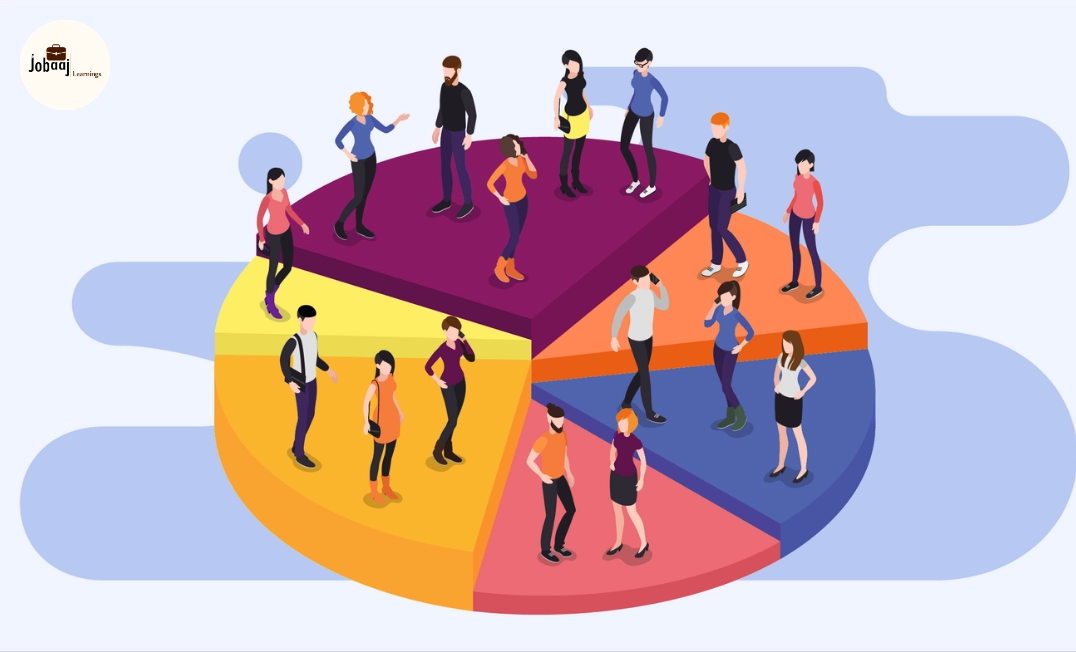
In digital marketing, targeting the right audience is everything. Generic marketing strategies that attempt to appeal to everyone tend to fall flat. However, when you can tailor your marketing efforts to speak directly to specific customer segments, the impact is far greater. By identifying and targeting these segments, businesses can engage their audience more effectively, build stronger relationships, and ultimately drive higher conversions.
In this blog, we will walk you through the process of identifying and targeting specific customer segments using digital marketing techniques. From gathering data to using the right tools, we'll break down the steps needed to create a customer segmentation strategy that works.
What is Customer Segmentation?
Customer segmentation refers to the process of dividing a customer base into groups of individuals that share similar characteristics. These groups, or segments, are usually based on factors such as demographics, purchasing behavior, interests, or other specific criteria. The goal of segmentation is to create targeted marketing strategies that cater to the unique needs of each group.
Effective customer segmentation allows you to create personalized experiences for your audience, resulting in more relevant and engaging marketing campaigns. By targeting specific segments, businesses can improve customer retention, increase sales, and enhance brand loyalty.
Steps to Identify and Target Customer Segments
1. Gather and Analyze Data
The first step in identifying customer segments is to gather as much data as possible. Data is the backbone of any segmentation strategy, and having accurate, up-to-date information is crucial for effective decision-making.
You can collect data from several sources, including:
- Website Analytics: Tools like Google Analytics can provide data on user behavior, location, and demographics.
- CRM Systems: Customer Relationship Management systems store valuable data on past purchases, communication history, and customer interactions.
- Social Media Insights: Platforms like Facebook Insights or Instagram Analytics offer data about your followers’ age, gender, interests, and more.
- Surveys and Feedback: Collecting direct feedback from your customers can provide insights into their preferences, needs, and challenges.
2. Create Customer Profiles (Buyer Personas)
Once you have sufficient data, the next step is to analyze it and create customer profiles, also known as buyer personas. A buyer persona is a semi-fictional representation of your ideal customer based on data and research. These personas help you understand the motivations, pain points, behaviors, and goals of your target audience.
Here’s what you need to define for each persona:
- Demographics: Age, gender, income, occupation, location, etc.
- Psychographics: Interests, hobbies, lifestyle, values, and behaviors.
- Pain Points: The problems they are trying to solve that your product or service can address.
- Buying Habits: How often they make purchases, their preferred purchasing methods, etc.
For example, if you're a fitness brand, one persona might be "Sarah, a 28-year-old fitness enthusiast who prefers home workouts and follows a plant-based diet." This persona allows you to tailor your messaging, promotions, and content to appeal specifically to people like Sarah.
3. Segment Your Audience
Once you have clear buyer personas, you can now divide your audience into meaningful segments. Segmentation can be done based on:
- Demographics: Age, gender, income, location, etc.
- Geographics: Targeting people from specific cities, regions, or countries.
- Behavioral: Based on purchasing habits, website interaction, or engagement with past campaigns.
- Psychographics: Targeting based on values, interests, and lifestyles.
- Needs-Based: Segmenting customers based on specific problems or needs that your products or services address.
4. Choose the Right Digital Marketing Channels
Different customer segments engage with various digital marketing channels. After identifying your target segments, it's important to choose the right marketing channels that will best reach them.
For example:
- Social Media Ads: Great for targeting based on interests, location, and demographics.
- Email Marketing: Ideal for engaging with current customers or leads who have shown interest in your product.
- Content Marketing: Helps establish brand authority by delivering useful content for specific customer segments (e.g., blog posts, webinars, videos).
- Search Engine Marketing (SEM): Use Google Ads to target customers actively searching for keywords related to your products or services.
By selecting the most relevant channels, you ensure that your marketing messages reach the right people in the places they are most active.
5. Personalize Your Messaging
Once you have your segments defined and your channels selected, the next step is to create personalized content and messaging for each segment. Personalization allows you to speak directly to each segment’s pain points, needs, and motivations.
For example:
- For young adults (18-24), a lifestyle brand might focus on fun, trendy, and visually appealing content that connects with their aspirations.
- For professionals (35-50), the focus might be on efficiency, quality, and reliability, addressing their practical needs.
Personalized messaging enhances customer engagement and leads to higher conversion rates, as people are more likely to respond to content that speaks directly to their specific situation.
6. Test, Measure, and Optimize
A crucial part of targeting customer segments is constant testing and optimization. You should regularly test different messaging, offers, and channels to see which perform best with each segment. Tools like A/B testing, multivariate testing, and conversion rate optimization can help you identify which strategies work and which don’t.
Use data analytics to track the performance of your campaigns and adjust your strategies accordingly. Continuously optimizing your approach based on real-time data will help you improve engagement and boost sales.
Results
By following these steps, businesses can expect:
- Increased customer engagement through targeted content and messaging.
- Higher conversion rates due to personalized marketing efforts.
- Improved customer loyalty as a result of understanding and addressing customer needs.
- Efficient marketing spend, as resources are directed toward the most valuable segments.
For example, an e-commerce company that personalized their email campaigns based on segmentation saw a 30% increase in open rates and a 20% increase in conversion rates, compared to previous generic email blasts.
Conclusion
Targeting specific customer segments through digital marketing is one of the most powerful strategies for businesses looking to improve engagement, conversion rates, and overall ROI. By using data to create detailed buyer personas, selecting the right marketing channels, and personalizing messaging, businesses can speak directly to their audience’s needs and pain points, driving both short-term results and long-term customer loyalty.
The ability to identify and engage with the right customer segments allows businesses to maximize the effectiveness of their marketing campaigns and ensure they reach the people who matter most. So, whether you’re a small business or a large enterprise, understanding and implementing customer segmentation is key to digital marketing success.
Frequently asked questions
What is customer segmentation?
Customer segmentation is the process of dividing a customer base into groups that share similar characteristics, such as demographics, behaviors, or needs. This helps businesses tailor their marketing efforts to each group for better engagement and results.
Why is customer segmentation important in digital marketing?
Customer segmentation allows businesses to target specific audiences with relevant content, offers, and messages. By doing so, they can improve conversion rates, customer engagement, and overall marketing ROI.
How do you create buyer personas for segmentation?
To create buyer personas, gather data from your customers, surveys, and web analytics. Identify patterns in demographics, interests, and behaviors. Use this data to build detailed profiles representing different customer types, which can guide your marketing decisions.
What are some effective digital marketing channels for targeted customer segments?
Effective channels for targeting customer segments include social media advertising (Facebook, Instagram), email marketing, content marketing (blogs, videos), and search engine marketing (Google Ads). Each channel allows for precise targeting and personalization.
How do you measure the success of customer segmentation in digital marketing?
Success can be measured through metrics like engagement rate, conversion rate, customer retention, and return on investment (ROI). Regularly analyze these metrics to assess the effectiveness of your segmentation and adjust strategies as needed.
Join 5,00,000+ Subscribers
Be a part of our ever growing community.