Categories







































Picture this: You’re a chef in a bustling restaurant. Your goal isn’t just to create dishes but to ensure that every meal is prepared with efficiency, quality, and customer satisfaction in mind. The kitchen is filled with various ingredients, equipment, and staff, all moving at a fast pace. However, there’s a challenge—how do you ensure that nothing goes to waste, everything is optimized, and the meal is delivered perfectly on time? The answer lies in efficiency—specifically,
Exploring a career in Product Management? Apply Now!
Lean Product Management. Just like a chef in the kitchen, a product manager aims to streamline processes, reduce waste, and ensure that each product iteration brings value to the customer without unnecessary steps. In this blog, we’ll explore the concept of Lean Product Management, how it works, and why it's become essential for modern product teams.
What is Lean Product Management?
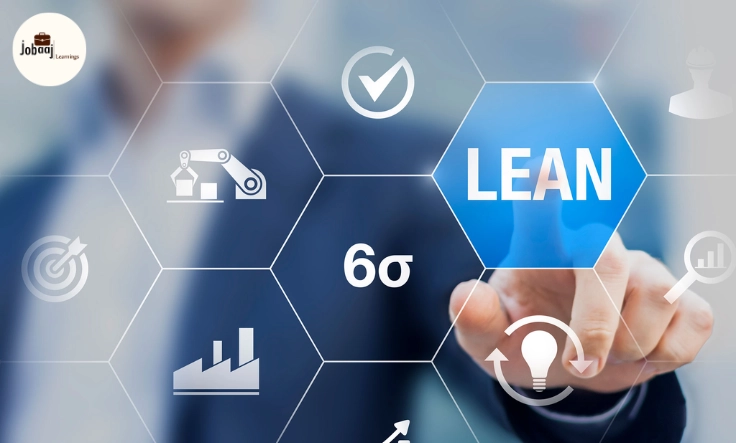
Lean Product Management is an approach that focuses on delivering value to customers with minimal waste. It’s a product development philosophy inspired by lean manufacturing principles, which prioritize efficiency and continuous improvement. The core idea is to build only what is necessary, test it quickly with customers, learn from feedback, and iterate—without overcomplicating the process.
Instead of spending months or years building a product that may not meet customer needs, Lean Product Management emphasizes creating a minimum viable product (MVP) to validate assumptions early on. This approach allows teams to fail fast, learn, and adapt, ensuring that they’re building a product that users genuinely want.
Key Principles of Lean Product Management
1. Build-Measure-Learn Loop
At the heart of Lean Product Management is the Build-Measure-Learn loop. This iterative process encourages product teams to:
Build: Create a prototype or MVP with the minimal resources needed to test the product idea.
Measure: Collect data and feedback from real users to assess how the product performs in the market.
Learn: Analyze the results and use the insights to refine and improve the product.
By repeating this loop, teams can ensure that they’re on the right track and avoid investing heavily in features that might not resonate with users.
2. Minimum Viable Product (MVP)
An MVP is a version of a product with just enough features to be functional and valuable to users. It’s a key element of Lean Product Management because it helps product teams test assumptions without building out a fully-featured product. The MVP allows teams to collect early feedback and make data-driven decisions about whether to pivot, persevere, or discard features.
3. Continuous Improvement
In Lean Product Management, there’s always room for improvement. The focus is on continuous iteration based on feedback and performance metrics. Teams should never settle for a static product; instead, they should always be looking for ways to refine and optimize based on real-world data.
4. Waste Reduction
Lean methodology focuses on eliminating waste, whether it's time, resources, or effort. Product managers and teams prioritize features that provide the most value to the customer and discard or postpone non-essential features. This focus helps save resources and ensure that time is spent on features that truly matter.
5. Customer-Centric Approach
The ultimate goal of Lean Product Management is to meet customer needs effectively and efficiently. This customer-centric focus drives product teams to engage with users early and often, gathering feedback to continuously improve the product. It’s all about delivering value to customers at every step of the process.
Benefits of Lean Product Management
1. Faster Time-to-Market
Because the focus is on creating an MVP and validating it with customers quickly, Lean Product Management helps teams bring products to market faster. This rapid iteration cycle allows businesses to launch products faster, test them, and make changes before investing too much time or money.
2. Reduced Risk
With Lean Product Management, the risks associated with building a product are significantly reduced. Since you’re constantly testing assumptions and learning from user feedback, there’s less chance of investing in a product that no one wants. The approach ensures that resources are used effectively and that products are developed with real customer input.
3. Enhanced Focus on User Needs
By emphasizing continuous user feedback and engagement, Lean Product Management ensures that the product always aligns with user needs. This leads to higher customer satisfaction and greater product success, as you’re building solutions that your users actually want.
4. Cost-Effectiveness
The iterative approach helps prevent overspending on unnecessary features or changes that don’t align with user needs. By focusing on MVPs and only building what’s essential, Lean Product Management helps keep development costs low and resource allocation efficient.
Conclusion: Lean Product Management—The Future of Product Development
Lean Product Management is more than just a methodology; it’s a mindset that focuses on efficiency, continuous improvement, and customer-centricity. By embracing the principles of Lean Product Management, teams can reduce waste, make data-driven decisions, and ensure they are building products that customers love. As businesses continue to innovate and respond to rapidly changing market demands, Lean Product Management offers a proven framework for achieving faster, more cost-effective, and user-driven product development.
Dreaming of a Product Management Career? Start with Product Management Certificate with Jobaaj Learnings.
Frequently asked questions
What is Lean Product Management?
Lean Product Management is a methodology that focuses on building products with minimal waste by using rapid iterations, testing with customers, and continuously improving based on feedback.
Why is the Build-Measure-Learn loop important in Lean Product Management?
The Build-Measure-Learn loop is essential because it allows product teams to create an MVP, gather user feedback, and learn from it to improve the product. This cycle ensures the product is aligned with user needs and business goals.
What is an MVP in Lean Product Management?
An MVP (Minimum Viable Product) is a product with just enough features to meet the needs of early adopters and provide valuable feedback. It allows product managers to test assumptions and refine the product based on real user data.
How does Lean Product Management reduce waste?
Lean Product Management focuses on eliminating waste by prioritizing features that offer the most value to users, eliminating unnecessary steps, and iterating based on feedback to ensure efficient use of resources.
How does Lean Product Management improve time-to-market?
By focusing on MVPs and testing assumptions early, Lean Product Management allows teams to bring products to market faster, enabling them to validate ideas quickly and make necessary adjustments before investing too much time or money.
How can Lean Product Management help teams focus on customer needs?
Lean Product Management emphasizes continuous feedback from users, ensuring that the product is built around real user needs and that features are aligned with what customers truly value.

Join 5,00,000+ Subscribers
Be a part of our ever growing community.