Categories




































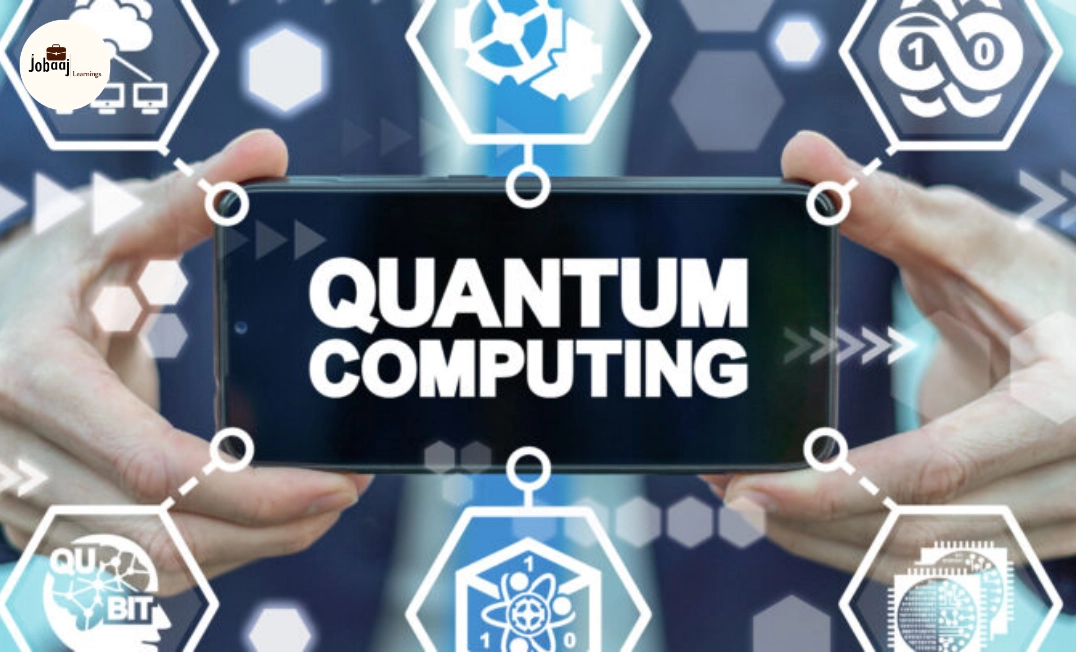
The world of technology is advancing faster than ever, and with each breakthrough, we inch closer to innovations that were once thought to be the stuff of science fiction. One such revolutionary development is quantum computing. While the concept of quantum computing has been around for decades, it’s in 2026 that we’re finally starting to see real-world applications come to life. If you're not already familiar with quantum computing, don't worry this blog will give you a clear and approachable introduction to this exciting field and why it's becoming an essential skill to watch in the future.
What is Quantum Computing?
At its core, quantum computing is a new type of computing that leverages the principles of quantum mechanics to process information in fundamentally different ways than traditional computers. Traditional computers use bits to represent data, which can be in one of two states: 0 or 1. However, quantum computers use quantum bits or qubits, which can exist in multiple states simultaneously, thanks to a phenomenon known as superposition.
In addition to superposition, quantum computers also take advantage of another key principle called entanglement. This allows qubits that are entangled to be correlated in such a way that the state of one qubit directly affects the state of another, no matter how far apart they are. This property enables quantum computers to perform calculations at speeds and complexities that are unimaginable for classical computers.
Why Does This Matter?
Quantum computers can solve certain types of problems exponentially faster than classical computers. For instance, problems related to optimization, cryptography, and material science could be revolutionized by quantum computing. The technology’s ability to process vast amounts of data and perform complex calculations in a fraction of the time has the potential to change industries ranging from healthcare and finance to artificial intelligence and cybersecurity.
How is Quantum Computing Different from Classical Computing?
To understand why quantum computing is such a big deal, it's essential to compare it with classical computing, the technology that powers most of our devices today.
- Classical Computing: A traditional computer uses bits to represent data. Each bit is either a 0 or 1, and calculations are done sequentially, one step at a time. Even though classical computers have become incredibly powerful over the years, they are still limited in the types of problems they can solve and how quickly they can process large datasets.
- Quantum Computing: In contrast, quantum computers use qubits that can exist in multiple states at once. Because of this ability to exist in superposition, quantum computers can evaluate many possibilities simultaneously. Quantum computers also leverage entanglement, which allows qubits to share information and speed up calculations in ways classical computers cannot.
While classical computers will still dominate most everyday tasks, quantum computing is poised to take on problems that would take classical machines millennia to solve. Quantum computing is the next frontier, enabling us to approach problem-solving in ways that were previously unimaginable.
Real-World Applications of Quantum Computing
Quantum computing may sound theoretical, but it is already starting to show promising real-world applications. Let’s look at a few areas where quantum computing could dramatically change industries:
1. Cryptography and Cybersecurity
One of the most well-known potential applications of quantum computing is in the field of cryptography. Classical encryption methods, which rely on complex mathematical problems, could be easily broken by quantum computers due to their superior computational power. In response, researchers are developing quantum-resistant encryption methods to secure data against future quantum attacks.
2. Drug Discovery and Healthcare
Quantum computing has the potential to revolutionize the pharmaceutical industry by simulating the behavior of molecules at the quantum level. This could dramatically speed up the process of discovering new drugs, finding cures for diseases, and developing personalized treatments based on an individual’s genetic makeup.
3. Material Science
Quantum computing can also be used to model and simulate new materials with specific properties. This could lead to breakthroughs in energy storage, superconductivity, and manufacturing processes. For example, it could help design new materials for solar cells or more efficient batteries.
4. Artificial Intelligence and Machine Learning
Quantum computing could turbocharge the progress of artificial intelligence (AI) and machine learning (ML). By enabling faster processing of large datasets, quantum computers could help solve complex optimization problems that are beyond the reach of classical computers, thereby enhancing the efficiency and accuracy of AI models.
5. Supply Chain Optimization
Quantum computing’s ability to quickly evaluate various combinations of factors can help businesses optimize their supply chains. Whether it’s finding the most efficient route for deliveries or optimizing inventory management, quantum computing could provide solutions to problems that are computationally too expensive for classical computers to handle.
Why Learn Quantum Computing in 2026?
As the technology continues to evolve, quantum computing is becoming more accessible to developers, researchers, and industries. By 2026, the demand for skilled professionals in quantum computing will be greater than ever. Here are a few reasons why learning quantum computing is a smart move:
1. Quantum Computing Will Be a Key Enabler of Innovation
As quantum computing becomes more practical and powerful, it will drive innovation across various industries, including finance, healthcare, logistics, and energy. By learning quantum computing, you position yourself at the forefront of this technological revolution, ready to contribute to solving some of the world’s most pressing challenges.
2. High Demand for Quantum Computing Talent
In 2026, quantum computing is no longer confined to research labs and academic circles. It’s quickly gaining traction in the private sector, with major companies like IBM, Google, and Microsoft making significant investments in quantum computing. As a result, businesses are looking for individuals with the knowledge and skills to build and apply quantum systems. Whether you’re interested in working as a quantum software developer, quantum algorithm specialist, or quantum researcher, the opportunities are immense.
3. A Competitive Advantage in Emerging Technologies
Having expertise in quantum computing will give you a competitive edge, not just in the quantum field, but also in broader emerging technologies like AI, blockchain, and cybersecurity. Quantum computing intersects with many of these fields, and professionals with knowledge of both quantum and classical computing will be highly sought after.
How to Get Started with Quantum Computing
Now that you understand the significance of quantum computing, you might be wondering how to get started. Here are some steps to help you begin your quantum computing journey:
1. Learn the Basics of Quantum Mechanics
Quantum computing is built on the principles of quantum mechanics. To get started, it’s important to have a basic understanding of concepts like superposition, entanglement, quantum states, and quantum gates. You can find plenty of free resources and courses online that introduce these concepts.
2. Start Programming with Quantum Languages
Quantum computers require specialized programming languages, such as Qiskit (from IBM), Cirq (from Google), and Quipper. These languages are designed to work with quantum gates and circuits. Learning to code in one or more of these quantum programming languages will set you on the path to becoming a quantum programmer.
3. Take Online Quantum Computing Courses
There are a growing number of online courses dedicated to quantum computing. Platforms like Coursera, edX, and Udemy offer courses from universities like MIT, Stanford, and Oxford. You can start with beginner-level courses and progress to more advanced topics.
4. Join the Quantum Computing Community
Quantum computing is a collaborative field, and joining online communities and forums (like Qiskit Community, Stack Overflow for quantum computing, or Quantum Computing StackExchange) will help you learn from others and stay updated on the latest developments.
5. Contribute to Open-Source Projects
Once you’ve gained a solid understanding of quantum computing, contributing to open-source quantum computing projects is a great way to gain real-world experience and build your portfolio. Open-source projects also help you connect with other quantum computing enthusiasts and professionals.
Conclusion
In 2026, quantum computing will be one of the most exciting and transformative technologies. The potential for solving problems that classical computers can’t touch is vast, and the opportunities in this field are boundless. If you're eager to work on groundbreaking technologies and want to be part of a revolution in computing, learning quantum computing is a powerful way to shape your future.
Start by learning the fundamentals, gaining hands-on experience with quantum programming, and joining the growing community of quantum enthusiasts. As the demand for quantum experts continues to rise, those who master this skill will be at the forefront of the next wave of technological innovation.
Frequently asked questions
What is quantum computing?
Quantum computing is a type of computing that uses quantum mechanics principles to process information. Unlike traditional computers, quantum computers use qubits that can exist in multiple states simultaneously, allowing them to solve complex problems much faster.
How is quantum computing different from classical computing?
While classical computers use bits (either 0 or 1), quantum computers use qubits, which can represent 0, 1, or both at the same time, thanks to superposition. This enables quantum computers to perform many calculations simultaneously, offering exponential speedups for certain tasks.
How can I get started with learning quantum computing?
To get started, it’s important to learn the basics of quantum mechanics, quantum programming languages like Qiskit, and how quantum algorithms work. You can find online courses and resources to help you build a strong foundation in quantum computing.
What industries will benefit from quantum computing?
Quantum computing will have a significant impact on industries like healthcare, finance, cybersecurity, materials science, and AI. It has the potential to solve complex problems that classical computers cannot, including drug discovery, optimization problems, and cryptography.
Is quantum computing accessible to beginners?
Yes, quantum computing is becoming more accessible to beginners. There are many resources available for those starting with quantum mechanics and quantum programming. Online courses, tutorials, and open-source projects can help you learn at your own pace.

Join 5,00,000+ Subscribers
Be a part of our ever growing community.