Categories














/content/learnings/assets/header/ManagementConsulting.svg)
/content/learnings/assets/header/InvestmentBanking.svg)


























/content/learnings/assets/header/programs/1.png)
/content/learnings/assets/header/programs/4.png)


For many students, choosing a career path after Class 12 can feel confusing. While engineering, medicine and traditional graduation options remain popular, a new pathway has gained significant attention among students who want to enter the world of business and management early.
The Integrated Programme in Management Aptitude Test (IPMAT) provides an opportunity for students to enter prestigious management institutes directly after school and begin their journey towards becoming future business leaders.
However, preparing for IPMAT is not just about studying a few subjects before an entrance exam. It requires developing the right mindset, improving problem-solving ability and building strong foundations in mathematics, language and logical thinking.
For beginners, the biggest challenge is often knowing where to start.
- Should you focus more on mathematics?
- How much reading is required?
- Which topics are important?
- How should you manage preparation with school studies?
This guide will help you understand the complete IPMAT preparation journey and create a practical roadmap.
What is IPMAT?
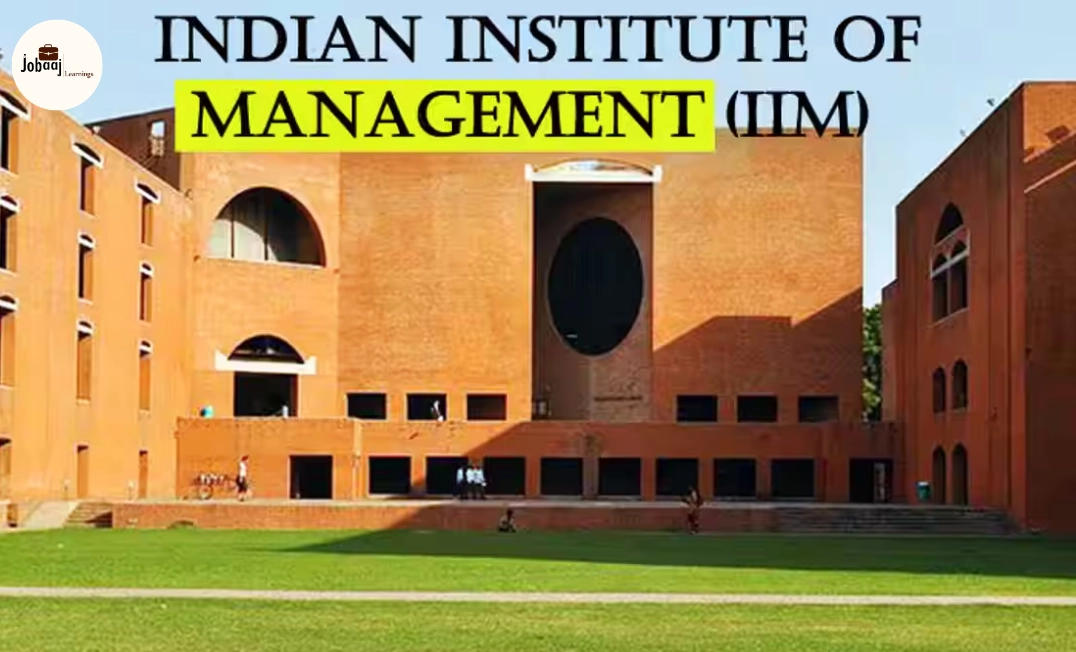
IPMAT is an entrance examination conducted for admission into the five-year Integrated Programme in Management offered by institutes such as the Indian Institute of Management Indore and other participating management institutes.
The programme combines undergraduate education with postgraduate management studies, allowing students to pursue a management-focused career from an early stage.
Unlike traditional MBA programmes where students usually enter after graduation, IPMAT allows students to begin their management journey immediately after completing Class 12.
The programme focuses on developing skills related to:
- Business understanding
- Leadership
- Analytical thinking
- Communication
- Decision-making
Why Choose IPMAT After Class 12?
Choosing a career after school is a major decision.
For students interested in business, entrepreneurship or management, IPMAT offers a unique opportunity.
Instead of completing a regular undergraduate degree and preparing separately for MBA entrance exams later, students can start their management education early.
Some advantages include:
Early Exposure to Management Education
Students get exposure to business concepts, economics, leadership and decision-making from the beginning.
Strong Career Foundation
The programme helps students build skills required for corporate careers, entrepreneurship and management roles.
Access to a Strong Brand
Institutions offering integrated management programmes provide students with valuable academic exposure and professional networks.
IPMAT Eligibility Criteria
The eligibility requirements may vary slightly depending on the institute conducting the exam.
Generally, students need to:
- Complete Class 12 or equivalent education
- Meet the required academic criteria
- Fulfil age requirements specified by the institute
Students from different streams can apply, including:
- Commerce
- Science
- Humanities
Mathematics requirements may vary depending on the institute, so students should check official eligibility details before applying.
Understanding the IPMAT Exam Pattern
IPMAT mainly tests three important abilities:
- Quantitative Ability
- Verbal Ability
- Logical and Analytical Thinking
The exam is designed to check whether students can solve problems quickly and think logically under time pressure.
1. Quantitative Ability
Quantitative Ability is often considered one of the most challenging sections for many students.
It tests mathematical understanding and problem-solving skills.
Important topics include:
- Arithmetic
- Algebra
- Number systems
- Geometry
- Percentage
- Profit and loss
- Time and work
- Probability
For beginners, the focus should not be on memorising formulas.
The priority should be understanding concepts and practising different types of questions.
A strong mathematics foundation can significantly improve overall performance.
2. Verbal Ability
Verbal Ability evaluates English language skills and comprehension ability.
Many students underestimate this section, but strong verbal skills can create a major advantage.
Important areas include:
- Reading comprehension
- Vocabulary
- Grammar
- Sentence correction
- Para jumbles
Regular reading plays an important role here.
Students who develop a habit of reading newspapers, articles and books often perform better because they naturally improve vocabulary and comprehension.
3. Logical and Analytical Thinking
Logical reasoning tests how effectively students identify patterns and solve problems.
It focuses more on thinking ability rather than memorisation.
Topics may include:
- Logical puzzles
- Data interpretation
- Patterns
- Analytical problems
Regular practice helps students become faster and more confident.
How Beginners Should Start IPMAT Preparation
Many students make the mistake of starting preparation randomly.
A better approach is to build a strong foundation first.
Step 1: Understand Your Current Level
Before creating a study plan, evaluate where you currently stand.
Ask yourself:
- How comfortable am I with mathematics?
- How strong is my English vocabulary?
- How quickly can I solve problems?
This helps identify weak areas and create a realistic strategy.
Step 2: Build Strong Fundamentals
Beginners should first focus on basic concepts.
For mathematics:
- Revise school-level concepts
- Understand formulas
- Practise basic questions
For English:
- Improve vocabulary
- Read regularly
- Practise comprehension
Strong basics make advanced preparation much easier.
Step 3: Create a Consistent Study Routine
IPMAT preparation requires consistency more than occasional long study sessions.
A practical daily routine may include:
- Mathematics practice
- Reading practice
- Vocabulary building
- Mock analysis
Even 2–3 focused hours daily can create significant improvement over time.
IPMAT Preparation Strategy for Different Students
For Class 11 Students
Students in Class 11 have a major advantage because they have more preparation time.
They should focus on:
- Building mathematical concepts
- Developing reading habits
- Understanding exam structure
The goal should be foundation building rather than rushing through advanced topics.
For Class 12 Students
Class 12 students need to balance board exams and IPMAT preparation.
The focus should be:
- Strengthening important topics
- Practising previous questions
- Taking regular mocks
For Students Taking a Gap Year
Students preparing after Class 12 should focus on:
- Intensive practice
- Mock tests
- Improving weak areas
- Exam strategy
Best Books and Resources for IPMAT Preparation
Choosing the right resources helps avoid confusion.
Useful preparation resources include:
Quantitative Ability
- Mathematics textbooks for concept building
- Quantitative aptitude books
- Previous year IPMAT papers
Verbal Ability
- Reading comprehension books
- Vocabulary-building resources
- Editorial articles
Mock Tests
Mock tests are extremely important because they help students understand:
- Time management
- Question selection
- Exam pressure
Common Mistakes Students Make During IPMAT Preparation
Ignoring Mathematics Basics
Many students jump directly to difficult questions without strengthening fundamentals.
Focusing Only on One Section
A strong score requires balanced preparation across sections.
Not Analysing Mock Tests
Taking mocks is useful only when students understand their mistakes.
Studying Without a Plan
Random preparation often leads to incomplete syllabus coverage.
How Long Does IPMAT Preparation Take?
The preparation timeline depends on a student's starting level.
A general timeline:
12 Months Preparation
Suitable for beginners who want to build concepts slowly.
6 Months Preparation
Requires consistent practice and focused preparation.
3 Months Preparation
Possible for students with strong fundamentals but requires intensive effort.
The key factor is consistency rather than only the number of months.
Skills You Develop Through IPMAT Preparation
Preparing for IPMAT does more than help you clear an entrance exam.
Students develop:
- Analytical thinking
- Problem-solving ability
- Communication skills
- Reading habits
- Time management
These skills remain useful throughout management education and professional life.
Career Opportunities After IPMAT
Students completing integrated management programmes can explore careers in areas such as:
- Consulting
- Finance
- Marketing
- Product management
- Entrepreneurship
- Business strategy
The programme creates a strong foundation for students who want to become future managers and business leaders.
Final Thoughts
Starting IPMAT preparation as a beginner may feel overwhelming initially, but the process becomes easier with the right approach.
The exam is not only testing knowledge.
It is testing your ability to think, analyse and solve problems effectively.
Students who start early, build strong fundamentals and practise consistently have a significant advantage.
The journey towards management education begins much before entering a business school.
It begins with developing curiosity, discipline and the ability to solve problems.
Frequently asked questions
Can students from any stream prepare for IPMAT?
Yes, students from Science, Commerce and Humanities backgrounds can prepare for IPMAT. However, they should understand the quantitative requirements and eligibility criteria of the specific institute they want to apply to.
Is IPMAT difficult for beginners?
IPMAT can be challenging because it tests mathematics, verbal ability and logical thinking at a competitive level. However, beginners can perform well by building strong basics and following a consistent preparation strategy.
How many hours should a beginner study for IPMAT?
A beginner can start with 2–3 focused hours daily and gradually increase preparation time. Consistency matters more than studying for very long hours occasionally.
Is coaching necessary for IPMAT preparation?
Coaching is not compulsory. Students can prepare through self-study using books, online resources and mock tests. However, coaching can provide structured guidance and regular practice.
What career options are available after an integrated management programme?
After completing an integrated management programme, students can explore careers in consulting, finance, marketing, product management, entrepreneurship and business leadership roles.

Join 5,00,000+ Subscribers
Be a part of our ever growing community.