Categories











/content/learnings/assets/header/ManagementConsulting.svg)
/content/learnings/assets/header/InvestmentBanking.svg)
























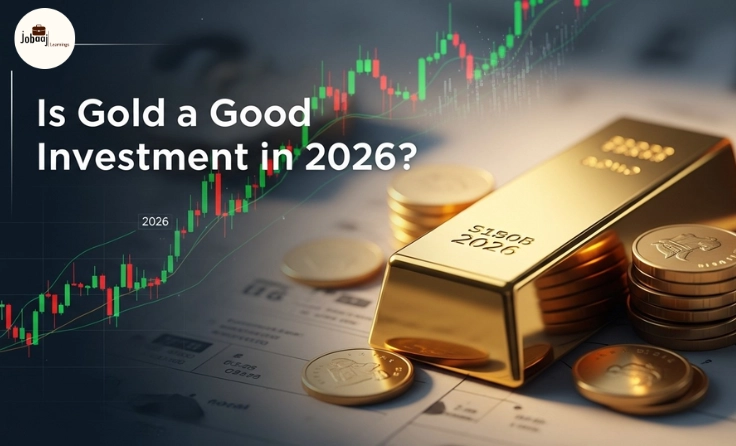
Imagine walking through a bustling marketplace. Around you, traders are selling all sorts of goods—fruits, textiles, and shiny trinkets. But amidst all these items, there’s one thing that has captured the attention of people for centuries—gold. The allure of gold is not new. It has been a symbol of wealth and security since ancient times. But in the modern world of stocks, cryptocurrency, and real estate, does gold still hold the same investment appeal?
Exploring a career in Investment Banking? Apply now!
As we move into 2026, the question on many investors’ minds is: Is gold still a good investment? With market conditions shifting, global economies evolving, and new financial opportunities emerging, understanding where gold stands in the investment world is essential. In this blog, we’ll explore whether gold remains a strong investment in 2026, examining its potential, risks, and role in your portfolio.
Why Gold Remains a Timeless Asset
Gold has always been seen as a safe-haven asset. When markets are volatile, and economic uncertainty looms, investors often flock to gold as a form of protection. But what makes gold so appealing, and why does it continue to be relevant in 2026?
1. Hedge Against Inflation
One of the primary reasons people turn to gold is its ability to act as a hedge against inflation. Inflation erodes the value of currency over time, but gold has historically retained its value, even during periods of rising prices. When inflation is high, the price of gold tends to rise, offering protection for your investment.
For example, during times of hyperinflation or periods when the value of currency decreases sharply, the price of gold often moves in the opposite direction, increasing in value as people seek a stable store of wealth.
2. Store of Value
Gold has a reputation as a store of value. Unlike paper money, which can be printed at will by governments, gold is a finite resource. There will only ever be so much of it. This scarcity makes it a reliable store of wealth. Throughout history, gold has consistently maintained its value, making it a timeless investment.
In times of financial crisis or economic instability, gold’s role as a store of value becomes even more important. It’s a tangible asset that people trust, and it’s widely recognized across the world, making it a universal form of wealth preservation.
3. Global Demand and Scarcity
Gold’s demand spans the globe. It is used in everything from jewelry to electronics and dentistry. As emerging markets like India and China continue to grow, the demand for gold in these regions is expected to rise, potentially driving up its price.
Moreover, gold’s supply is limited, which means its scarcity only adds to its value. Mining companies are struggling to find new gold deposits, and the cost of extracting gold has been increasing. This adds an element of scarcity that can drive the price of gold higher over time.
Risks of Investing in Gold in 2026
While gold can be an excellent investment for some, it’s important to understand the risks involved. Here are a few factors to keep in mind when considering gold as part of your investment strategy:
1. Price Volatility
Although gold is often seen as a stable asset, it is still susceptible to price fluctuations. The price of gold can be volatile, and it’s influenced by many factors such as geopolitical tensions, currency fluctuations, and global demand. For example, during periods of economic stability, gold prices can sometimes fall as investors seek higher returns in stocks or other assets.
2. Opportunity Cost
Gold does not generate any income, unlike stocks or bonds, which can offer dividends or interest. By investing in gold, you may miss out on the potential returns from other asset classes, such as equities, real estate, or bonds. It’s important to consider the opportunity cost of holding gold in your portfolio and evaluate whether other investments may offer better returns in 2026.
3. Currency Risk
Gold is typically priced in US dollars, which means fluctuations in the dollar can affect the price of gold. If the US dollar strengthens, gold may become more expensive in other currencies, potentially reducing its appeal to international buyers. Additionally, currency risk may arise if you’re investing in gold through exchange-traded funds (ETFs) or other international vehicles.
Should You Invest in Gold in 2026?
Gold can play an important role in a well-diversified investment portfolio. It is especially beneficial if you are looking for stability and protection during times of economic uncertainty. But is it the right investment for you in 2026?
Gold as a Long-Term Investment
If you’re looking for a long-term investment that will hold its value, gold could be an ideal choice. Its role as a hedge against inflation and its ability to act as a store of value makes it a safe bet for long-term wealth preservation. Historically, gold has proven its worth in times of economic crisis and financial instability, which is likely to continue in 2026.
Gold for Diversification
If you already have a portfolio heavily weighted in stocks and bonds, adding gold could be an effective way to diversify and reduce risk. Gold tends to move independently of stock markets, making it a great asset to balance out the volatility of other investments. In fact, many investment advisors recommend allocating 5% to 10% of your portfolio to gold, especially if you’re looking for low-risk investments.
Short-Term Gold Investment
For short-term investors, gold might not offer the quick gains that other assets like stocks or cryptocurrency can provide. However, if you’re looking for a relatively stable investment with a proven track record, gold is a good option. As global demand for gold rises and geopolitical uncertainty continues, the price of gold may see upward movement, providing opportunities for investors with a longer investment horizon.
Conclusion
Gold remains an appealing investment in 2026, particularly for those looking for stability, wealth preservation, and a hedge against inflation. While it’s not without risks, such as price volatility and the opportunity cost of not investing in other assets, its role as a safe-haven asset cannot be denied.
Ultimately, the decision to invest in gold should depend on your financial goals, risk tolerance, and investment strategy. If you’re looking to protect your wealth and diversify your portfolio, gold may be a wise choice. However, be sure to consider your overall investment mix and remember that gold works best as part of a diversified portfolio.
Dreaming of a Finance career? Start with Investment Banking Certification with Jobaaj Learnings.
Frequently asked questions
Is gold still a good investment in 2026?
Gold remains a reliable investment in 2026, offering a hedge against inflation, a store of value, and a way to diversify your portfolio. It’s particularly appealing in times of economic uncertainty.
What are the risks of investing in gold?
Gold’s price can be volatile, and it doesn’t generate income like stocks or bonds. Additionally, investing in gold may mean missing out on higher returns from other asset classes.
How can I invest in gold in 2026?
You can invest in gold directly by purchasing physical gold, such as bars and coins, or indirectly through gold ETFs, mutual funds, or mining stocks. Each option has its pros and cons depending on your investment goals.
Why is gold considered a safe-haven asset?
Gold is often viewed as a safe-haven asset because it tends to retain its value during periods of financial crisis, inflation, or market volatility, unlike stocks or currencies that can lose value during such times.
Should I invest in gold long-term?
Gold is often a good long-term investment for wealth preservation and hedging against inflation. It doesn’t generate income but offers a stable store of value over time.
How much gold should I have in my portfolio?
Financial experts generally recommend allocating **5% to 10%** of your portfolio to gold to diversify your investments and reduce risk while maintaining exposure to a stable asset.

Join 5,00,000+ Subscribers
Be a part of our ever growing community.