Categories








































Picture this: You’ve just finished your engineering degree, and you’ve heard of the magic word—Full Stack Developer. It’s a coveted role in the tech industry, and everyone around you seems to be buzzing about how rewarding it can be. You dream of creating web applications that work seamlessly from the front-end to the back-end. But where do you begin? How do you transform from a beginner to a skilled Java Full Stack Developer in 2026?
Exploring a career in Web Development? Apply now!
Becoming a Java Full Stack Developer is no longer just about mastering Java alone. The landscape of web development has evolved, and now it involves mastering both front-end and back-end technologies. This journey requires a strong understanding of programming languages, frameworks, databases, and version control systems. Let’s take a deep dive into the roadmap for becoming a Java Full Stack Developer and uncover the skills you need to succeed in 2026.
What is a Full Stack Developer?
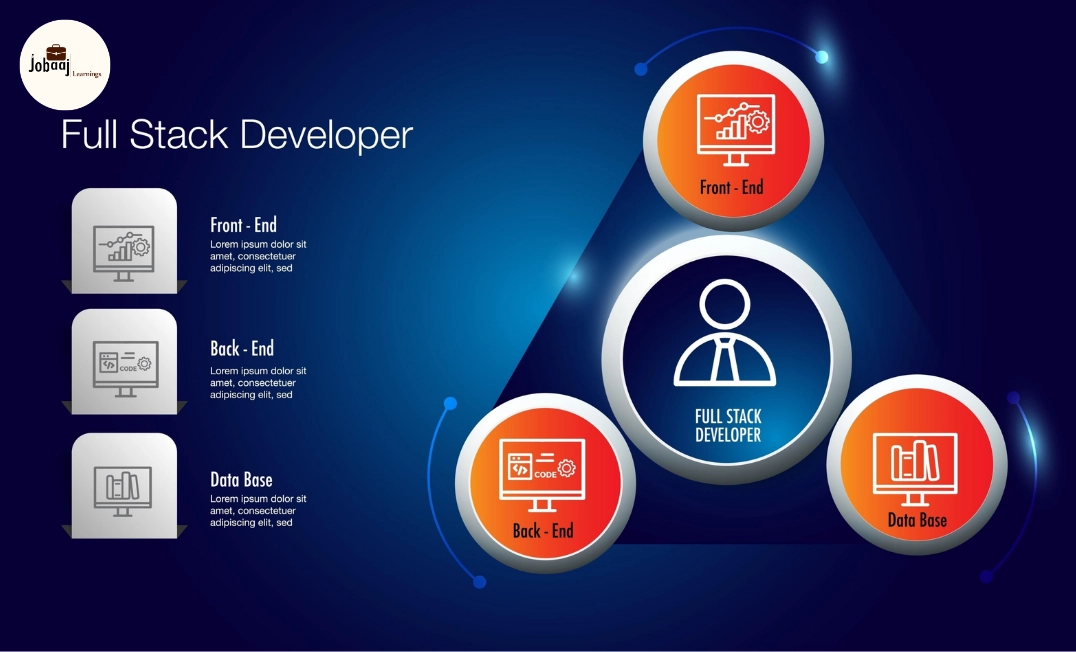
A Full Stack Developer is a software developer who is proficient in both front-end and back-end development. In the context of Java, a Full Stack Developer works with Java on the back-end and other technologies like HTML, CSS, JavaScript, and various front-end frameworks to build complete web applications. You will be responsible for the entire development cycle—from building user interfaces to handling databases and servers.
In simpler terms, you’re the bridge between the visible parts of a website that users interact with and the underlying code that powers it.
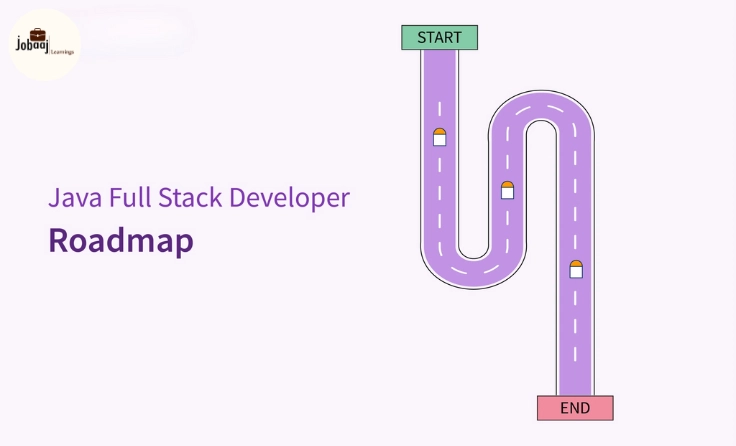
The 2026 Java Full Stack Developer Roadmap
Let’s break down the essential skills and technologies you need to master to become a successful Java Full Stack Developer in 2026.
1. Master the Core Java Language
Before diving into full stack development, you must have a strong understanding of core Java. This is the foundation of your back-end development work. Focus on mastering concepts like:
-
Object-Oriented Programming (OOP): Java is an OOP language, so understanding classes, objects, inheritance, polymorphism, and encapsulation is crucial.
-
Data Structures and Algorithms: This knowledge helps you write efficient code and solve problems effectively.
-
Exception Handling: Knowing how to handle errors and exceptions will make your applications more reliable.
2. Understand Front-End Technologies
While Java is typically used for back-end development, every Full Stack Developer must be skilled in front-end technologies to build responsive and interactive websites. Learn the following:
-
HTML & CSS: These are the building blocks of any website. HTML structures the content, and CSS is used for design and layout.
-
JavaScript: As the backbone of web interactivity, JavaScript is essential for making websites dynamic.
-
Front-End Frameworks: Gain proficiency in JavaScript libraries like React.js, Angular, or Vue.js. These frameworks speed up development and help build sophisticated user interfaces.
3. Back-End Development with Java
Java is primarily used for back-end development. The next step is mastering the back-end technologies that will enable you to build robust, scalable systems. This includes:
-
Spring Framework: The Spring and Spring Boot frameworks are widely used in Java-based back-end development for creating web applications. Learn about Dependency Injection, Aspect-Oriented Programming, and RESTful services.
-
REST APIs: Mastering RESTful services is key to building communication between your front-end and back-end.
-
Databases: Learn SQL and understand how to interact with databases like MySQL, PostgreSQL, or Oracle. Familiarity with NoSQL databases like MongoDB is also beneficial.
4. Version Control with Git
As a Full Stack Developer, you'll work in teams, and collaborating efficiently is key. Version control tools like Git are essential for tracking changes in your code, managing updates, and collaborating with other developers. GitHub and GitLab are popular platforms to host your projects and contribute to open-source development.
5. Cloud and Deployment
In 2026, cloud computing is more important than ever. Familiarity with cloud services and deployment tools is essential. Learn:
-
Amazon Web Services (AWS) or Microsoft Azure to deploy your applications.
-
Docker and Kubernetes for containerization and managing your applications at scale.
6. Learn Testing and Debugging
To ensure your code works seamlessly, testing is a must. Learn JUnit for Java testing and Selenium for testing web applications. Debugging skills are crucial to troubleshoot issues and ensure your application runs smoothly.
7. Stay Updated with Continuous Learning
The tech field is constantly evolving. In 2026, staying updated with new tools, libraries, and frameworks is essential to staying competitive. Follow blogs, attend webinars, and contribute to open-source projects to keep learning.
Conclusion: The Road Ahead
Becoming a Java Full Stack Developer is a rewarding journey that requires dedication, continuous learning, and a broad skillset. By mastering both front-end and back-end technologies, along with cloud computing, version control, and testing, you will be well-equipped to build dynamic web applications. The demand for Full Stack Developers, especially those proficient in Java, is expected to remain high in 2026. So, whether you’re just starting or looking to enhance your skills, following this roadmap will lead you to a successful and fulfilling career in Java Full Stack Development.
Dreaming of a Web Development Career? Start with Web Development Certificate with Jobaaj Learnings.
Frequently asked questions
What is the role of a Java Full Stack Developer?
A Java Full Stack Developer is responsible for developing both the front-end and back-end of a web application using Java, HTML, CSS, JavaScript, and frameworks like Spring and Angular.
What are the essential skills for a Java Full Stack Developer?
The key skills include proficiency in Java, front-end technologies (HTML, CSS, JavaScript), back-end frameworks like Spring, REST APIs, database management, and version control with Git.
How long does it take to become a Java Full Stack Developer?
It typically takes 6 months to a year to gain the skills necessary to become proficient, depending on your previous experience and dedication to learning.
What is the salary of a Java Full Stack Developer in 2026?
Salaries for Java Full Stack Developers in 2026 vary depending on location and experience but typically range

Join 5,00,000+ Subscribers
Be a part of our ever growing community.