Categories








































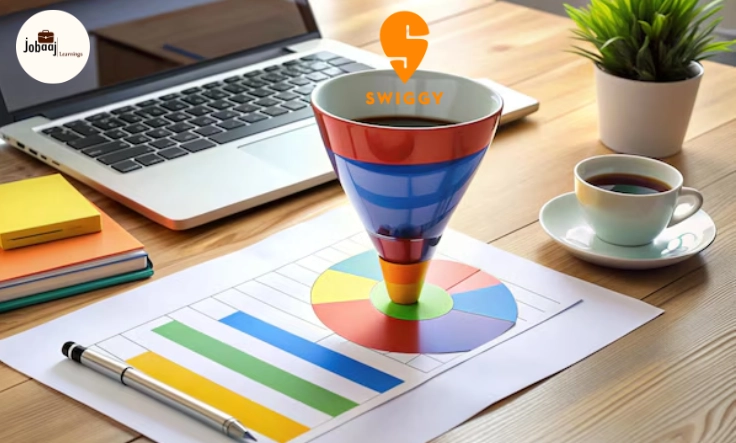
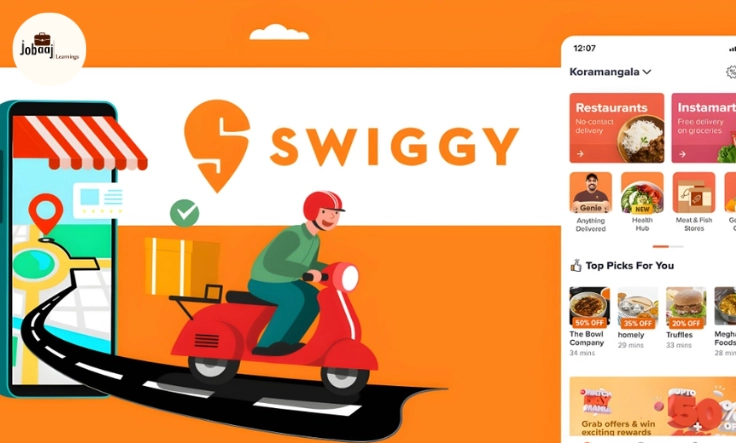
Imagine you're hungry after a long day of work. You decide to order food but you’re not sure which app to use. Then you open Swiggy’s app. It’s simple, quick, and offers a range of food options with just a few taps. But have you ever wondered how Swiggy makes this process so smooth? It’s all about their marketing funnel. Just like any other company, Swiggy uses a well-structured funnel to guide potential users from awareness to purchase, providing a seamless experience.
Exploring a career in Performance Marketing? Apply Now!
In this blog, let’s explore how Swiggy’s app onboarding process cleverly integrates various stages of the marketing funnel and how this drives user engagement, retention, and conversions.
What is a Marketing Funnel?

The marketing funnel is a concept that describes the journey customers go through before making a purchase decision. Think of it as a funnel because it starts broad (with lots of potential customers) and narrows down to those who actually make a purchase. The stages typically include:
-
Awareness: This is when potential customers first hear about your brand or product.
-
Interest: Customers show interest after discovering the product.
-
Consideration: Customers evaluate your product, comparing it with competitors.
-
Intent: They show a desire to purchase.
-
Purchase: The final step where customers make the purchase.
Swiggy's app onboarding process is a great example of this funnel in action.
Swiggy’s Marketing Funnel: From Awareness to Purchase
Awareness – Making a First Impression
The first stage in the funnel is awareness, and it’s the most important. Without awareness, a customer can’t even begin their journey. Swiggy makes sure that users are aware of its services even before they download the app. With constant ads, social media promotions, and collaborations with restaurants, they make sure that users know what they’re offering.
When a new user first hears about Swiggy, it’s usually because of a catchy ad or a referral from a friend. These awareness campaigns target a broad audience. Once a user is aware of Swiggy, the next goal is to grab their attention and guide them toward the next stage.
Interest – Onboarding Process
Once the user is aware, the next step is generating interest. This is where the app onboarding process comes into play. When you open Swiggy’s app for the first time, you’re welcomed with a clean and friendly interface, with clear sign-up options like Google, Facebook, or email.
Swiggy ensures the process is quick and easy, avoiding any complex steps that could discourage the user. The use of vibrant images and user-friendly design immediately sparks interest. The onboarding flow is simple, requiring minimal effort to get started, which increases the chances of the user proceeding further into the funnel.
Consideration – Highlighting Benefits
After the user signs up, they enter the consideration stage. Swiggy understands that the user may still have doubts, so they focus on highlighting the unique benefits of the app. Personalized recommendations based on location and food preferences are shown, encouraging users to browse further.
Swiggy also sends notifications about ongoing discounts or popular restaurant recommendations. This helps users visualize the value Swiggy provides, making it easier for them to consider the app over competitors. They make sure to offer incentives like "first-time user discounts," which makes users more likely to engage and consider purchasing.
Intent – Prompting Action
At this stage, users have shown interest in Swiggy’s offerings, and now it’s time for them to express their intent to order food. The app makes it easy for users to search, browse, and select their preferred restaurants or food items. The goal is to encourage users to add items to their cart and move toward checkout.
Swiggy employs strategies such as offering time-sensitive discounts or showing how much users can save with combo offers to push them further down the funnel. By displaying a simple and clear cart and checkout process, they eliminate friction points that could deter users from taking the next step.
Purchase – Closing the Deal
Once the user has gone through all the previous stages, they are now ready to make a purchase. Swiggy’s seamless and secure checkout process ensures the transaction is smooth and quick, encouraging customers to complete the order.
They offer multiple payment options, including credit cards, wallets, and even cash on delivery, making the payment process as flexible as possible. Swiggy also ensures that the delivery time and order details are crystal clear, which helps reinforce trust in the brand.
Conclusion: Optimizing the Funnel for Continuous Growth
Swiggy’s marketing funnel is a prime example of how brands can turn awareness into loyalty through a series of well-structured, thoughtful steps. By guiding users through each stage of the funnel, from awareness to purchase, Swiggy creates an intuitive experience that results in high conversion rates and customer retention.
The key takeaway here is that Swiggy’s onboarding process is not just about attracting users, but also about ensuring they get the most out of the app while building trust. The marketing funnel isn’t static; it’s an evolving process that needs to adapt to customer behavior to maximize success. As Swiggy continues to innovate, we can expect their funnel to evolve with new strategies, technologies, and customer preferences in mind.
Dreaming of a Performance Marketing Career? Start with Performance Marketing Certificate with Jobaaj Learnings.
Frequently asked questions
What is a marketing funnel?
A marketing funnel is a visual representation of the customer journey, guiding prospects from awareness to purchase and beyond. Swiggy's funnel shows how they convert app downloads into orders and repeat customers.
How does Swiggy's app onboarding contribute to its marketing funnel?
Swiggy's onboarding process seamlessly integrates with their marketing funnel. It guides new users through the app, encouraging exploration and ultimately leading them to place their first order.
What are key strategies Swiggy uses for user acquisition?
Swiggy likely uses a multi-pronged approach involving app store optimization (ASO), targeted advertising, social media marketing, and potentially influencer collaborations to drive app downloads and user acquisition.
How does Swiggy foster customer loyalty?
Swiggy likely uses loyalty programs, personalized recommendations, excellent customer service, and potentially exclusive offers to build long-term customer relationships and encourage repeat orders.
What are the key takeaways from Swiggy's marketing funnel?
Swiggy's success highlights the importance of a well-designed onboarding process, targeted marketing, and a focus on delivering a positive user experience to achieve high conversion rates and customer retention in the competitive food delivery market.

Join 5,00,000+ Subscribers
Be a part of our ever growing community.