Categories








































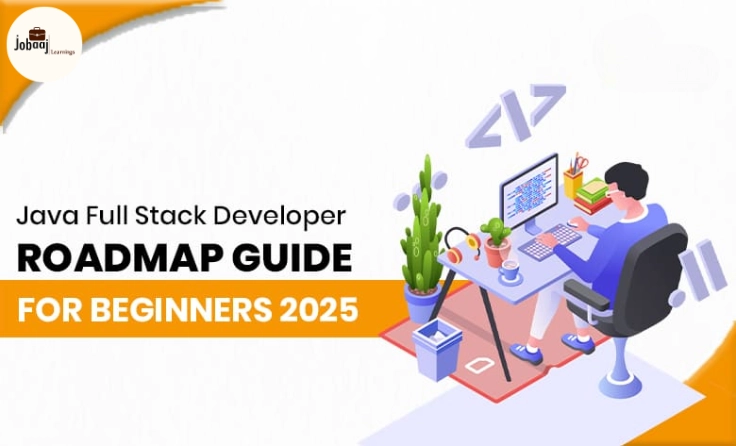
Imagine being able to build an entire web application from scratch, from the user interface to the server-side logic and database. That's what a Java Full Stack Developer does. They are the backbone of most modern web applications, creating seamless experiences for users and ensuring everything works behind the scenes.
Exploring a career in Web Development? Apply now!
If you're reading this, you might be at the beginning of your journey to becoming a Java Full Stack Developer in 2026. It may seem like a daunting road with many technologies to learn, but trust me, it’s an incredibly rewarding career path with plenty of opportunities. So, let's take a deep dive into the roadmap for aspiring developers, breaking down each part of the journey into manageable steps that you can follow.
What is a Java Full Stack Developer?
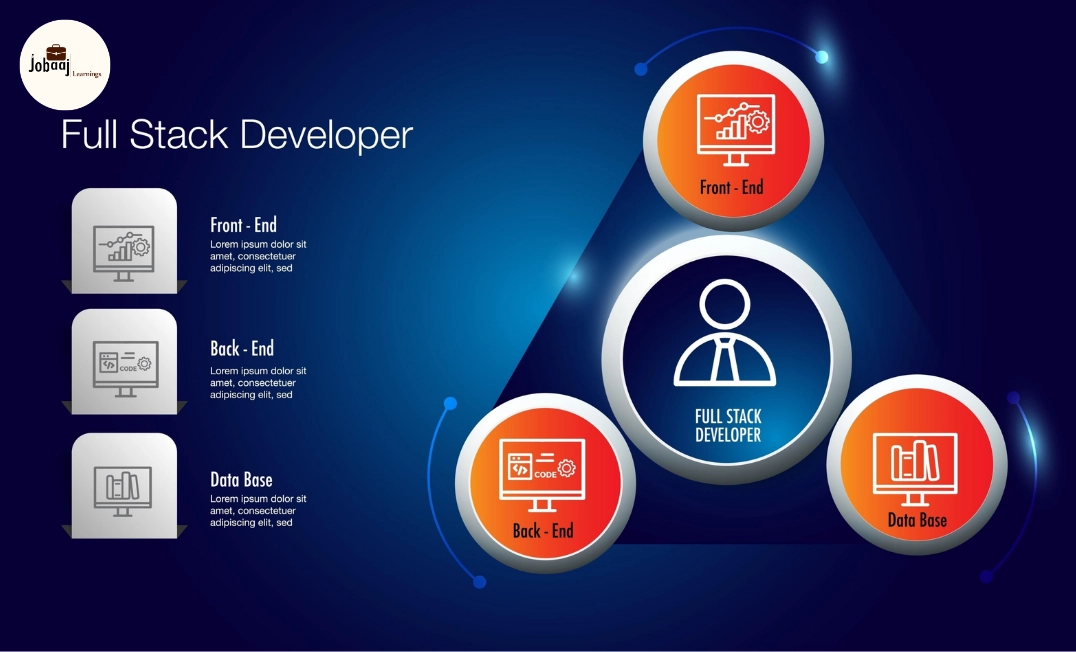
A Full Stack Developer is someone who has the skills to work on both the frontend and backend of a web application.
-
Frontend: This is what users interact with — the design, layout, and functionality of a website or application.
-
Backend: This is where the server-side logic happens. It's responsible for how the application works, handling things like data processing, authentication, and communication with databases.
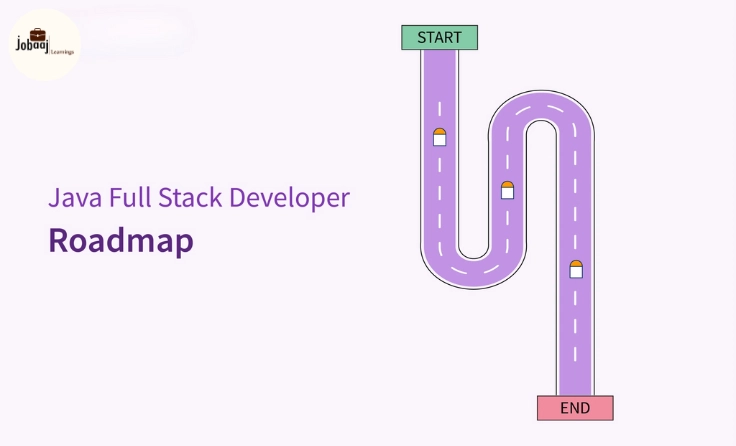
Java Full Stack Developers use Java along with other tools and frameworks to build both these sides. As we move forward, let’s break down the Java Full Stack Developer Roadmap to help you navigate through the learning journey.
Step 1: Master Java Fundamentals for Full Stack Development
Before diving into full-stack development, it’s essential to have a solid understanding of Java itself. If you don’t already know Java, here’s where you need to start:
Learn Core Java Basics
-
Variables, Data Types, and Operators
-
Control Flow Statements: Loops, Conditionals, and Switch Statements
-
Methods and Functions
-
Object-Oriented Programming (OOP) concepts like Classes, Objects, Inheritance, Polymorphism, Encapsulation, and Abstraction.
Why Java?
Java remains one of the most powerful programming languages for backend development. It's stable, scalable, and widely used across industries, which makes it a great choice for full-stack development.
Step 2: Learn Frontend Development
As a full-stack developer, you need to be able to build the frontend of applications. Here are the skills you need to master:
HTML & CSS
These are the building blocks of any website. HTML is used to structure content, while CSS is used to style it.
JavaScript (JS)
JavaScript is essential for adding interactivity to your website. You’ll need to learn basic JS first before diving into frameworks.
Frontend Frameworks
Once you’re comfortable with JavaScript, you can learn frameworks that make development faster and easier. Some popular ones include:
-
React.js (most commonly used with JavaScript)
-
Angular (a full-fledged framework for building dynamic SPAs)
-
Vue.js (another popular choice for building user interfaces)
Step 3: Dive into Backend Development
Backend development is where Java shines. As a Java Full Stack Developer, you'll need to understand how to work with server-side programming. Here’s what you need:
Learn Java for Backend Development
You’ll want to get familiar with Java-based backend frameworks like:
-
Spring Framework (Spring Boot for microservices)
-
Hibernate (to work with databases)
Databases
A full-stack developer must understand databases and how to interact with them. Learn about:
-
SQL (Structured Query Language)
-
MySQL or PostgreSQL (popular relational databases)
-
MongoDB (a NoSQL database for unstructured data)
API Development
You’ll also need to create and consume APIs (Application Programming Interfaces). RESTful APIs are widely used in Java to allow communication between the frontend and backend.
Step 4: Learn Version Control with Git
As a developer, you need to be able to track changes in your codebase and collaborate with others. Git is the most popular version control system.
Git Basics
-
Cloning repositories
-
Commit changes
-
Push and Pull operations
-
Merge conflicts
Learning Git and using platforms like GitHub or GitLab is essential for working in teams and maintaining code history.
Step 5: Get Familiar with DevOps & Deployment
You need to understand the deployment process to put your app on the web. Learn how to:
-
Set up a production environment
-
Deploy applications to services like AWS, Heroku, or Docker.
Additionally, learn about Continuous Integration/Continuous Deployment (CI/CD) to streamline your deployment processes.
Step 6: Continuous Learning and Practice
The world of full-stack development is constantly evolving. To stay competitive, make learning an ongoing habit. Consider the following:
-
Online Courses and tutorials on platforms like Udemy, Coursera, or edX.
-
Build Projects: Start with small projects like a personal portfolio, blog website, or to-do list app. Then scale up to complex applications like e-commerce websites.
-
Join Communities: Engage with communities like Stack Overflow, GitHub, and Reddit to stay updated and seek help when needed.
Conclusion: The Road to Becoming a Java Full Stack Developer
Becoming a Java Full Stack Developer in 2026 requires dedication, curiosity, and continuous learning. By mastering both frontend and backend technologies, gaining hands-on experience, and staying up-to-date with the latest trends, you’ll be well on your way to a successful career.
The journey may seem challenging at first, but with persistence and the right mindset, you’ll find yourself creating amazing applications and making a significant impact in the tech world. Start today, take it one step at a time, and embrace the learning process!
Dreaming of a Web Development Career? Start with Web Development Certificate with Jobaaj Learnings.
Frequently asked questions
What is a Full Stack Developer?
A Full Stack Developer is someone who has the skills to develop both the frontend (user interface) and backend (server-side logic) of a web application.
What skills do I need to become a Java Full Stack Developer?
You need to learn Java, HTML, CSS, JavaScript, backend frameworks (like Spring Boot), databases (like MySQL or MongoDB), and Git for version control.
How long does it take to become a Java Full Stack Developer?
It can take anywhere from 6 months to 2 years to become proficient as a Java Full Stack Developer, depending on how much time you dedicate to learning.
Can I become a Java Full Stack Developer without a computer science degree?
Yes! Many successful developers are self-taught. With the right resources, practice, and dedication, you can build your career without a formal degree.
What are some projects I can build as a Java Full Stack Developer?
Start with simple projects like a personal blog, to-do list application, or an e-commerce website. Gradually move on to more complex applications.
Is Java a good language for Full Stack Development?
Yes! Java is widely used for backend development, and with frameworks like Spring Boot and Hibernate, it remains one of the top choices for full-stack developers.

Join 5,00,000+ Subscribers
Be a part of our ever growing community.