Categories




































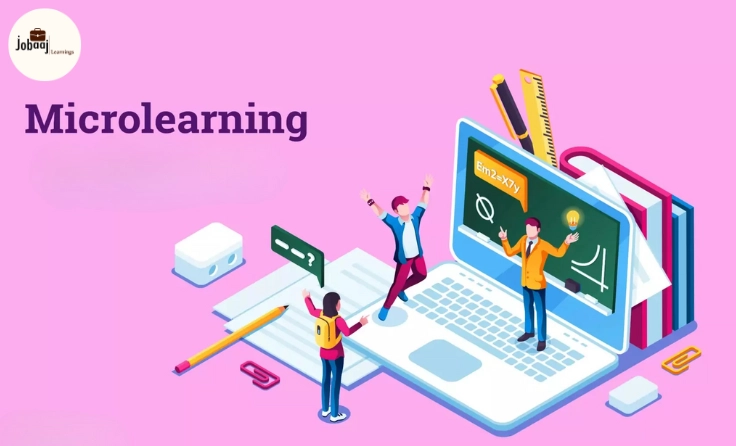
Picture this: You’re sitting at your desk, coffee in hand, ready to learn a new skill. But there’s a problem—today’s lesson is long, filled with complex concepts, and it’s hard to stay focused. You quickly realize that what you need isn’t another three-hour lecture, but a quick, bite-sized lesson that delivers just what you need, when you need it. That’s microlearning—a learning method that’s built around short, focused lessons designed to help you absorb information quickly and effectively.
Exploring a career in Management Consulting? Apply Now!
In today’s fast-paced world, we’re constantly juggling multiple tasks, and finding time for long study sessions can feel like an impossible challenge. This is where microlearning comes in—offering a solution that fits into even the busiest schedules. But how exactly does it work, and why is it gaining so much traction in the learning and development world? Let’s explore how microlearning is transforming education and why short lessons are proving to be more effective than traditional methods.
What is Microlearning?
Microlearning is a learning method that delivers content in small, manageable chunks. Instead of long lessons that require hours of attention, microlearning focuses on delivering focused, bite-sized sessions that last anywhere from a few seconds to 15 minutes. These short sessions are designed to address specific learning goals or concepts, ensuring learners stay engaged without feeling overwhelmed.
The key to microlearning’s success lies in its ability to condense information, making it easier for the learner to grasp, retain, and apply knowledge. Whether you’re learning a new language, mastering a coding skill, or picking up a hobby, microlearning adapts to various subjects and is accessible through mobile apps, online platforms, or even interactive tools.
Why Microlearning Works Better
The truth is, our brains aren’t wired to focus for long periods—especially when it comes to absorbing new information. Here’s why short, focused lessons tend to work better:
-
Improved Retention: Studies have shown that shorter lessons are easier to remember because they reduce cognitive overload, allowing the brain to process the information more effectively.
-
Faster Learning: In today’s fast-paced world, people want to learn quickly and efficiently. Microlearning offers just-in-time learning, providing knowledge when it’s needed without requiring long hours of study.
-
Flexibility: Microlearning can be easily integrated into daily life. Whether it’s watching a short video, reading an article, or taking a quick quiz, microlearning fits well into a busy schedule and can be done during short breaks.
-
Better Engagement: Long lectures or lengthy reading materials can make learners lose focus. Microlearning keeps content engaging, interactive, and concise, helping learners stay focused and motivated throughout the lesson.
Applications of Microlearning
Microlearning isn’t just a buzzword—it’s a practical tool used across various industries and educational contexts. Here are a few ways it’s making a difference:
-
Corporate Training: Companies are using microlearning to upskill employees. Short, targeted lessons on specific tools, processes, or safety procedures allow employees to learn and apply their skills faster.
-
Language Learning: Language apps like Duolingo use microlearning to teach new words, phrases, and grammar rules in small, manageable sessions. This allows users to practice daily and gradually improve their language skills.
-
Online Courses: MOOCs (Massive Open Online Courses) are adopting microlearning models, breaking down complex subjects into smaller, digestible segments. This makes it easier for learners to engage with the content without feeling overwhelmed.
-
Fitness and Health: Microlearning is even finding its way into the fitness world, with apps offering quick exercise routines or healthy eating tips to help individuals stay on track with their wellness goals.
The Science Behind Microlearning
The effectiveness of microlearning can be explained by understanding how our brains process information. Research in cognitive psychology shows that the human brain is better equipped to retain small chunks of information rather than large amounts of data at once. This concept, known as the "spacing effect", suggests that breaking information into smaller parts and reviewing them periodically enhances long-term retention.
Moreover, microlearning’s interactive nature promotes active learning, which has been shown to improve knowledge retention compared to passive learning methods like traditional lectures.
Conclusion: Embracing the Future of Learning with Microlearning
As we look towards 2025 and beyond, it’s clear that microlearning is here to stay. In a world where time is precious, the ability to learn in small, manageable doses offers an effective, efficient way to acquire new knowledge and skills. Whether for personal development, professional growth, or even for casual learning, microlearning provides the flexibility to learn at your own pace while achieving long-term success.
So, if you’re looking to improve your skills or pick up a new hobby, consider diving into the world of microlearning. It might just be the game-changer you’ve been searching for in today’s fast-paced world.
Dreaming of a Management Consulting Career? Start with Management Consulting Certificate with Jobaaj Learnings.
Frequently asked questions
What is microlearning?
Microlearning is an educational approach that delivers content in small, focused chunks, designed to be consumed in short periods of time, usually between a few seconds and 15 minutes.
Why are short lessons better for learning?
Short lessons reduce cognitive overload, making it easier to retain information. They allow learners to focus on one key concept at a time, which leads to better engagement and retention.
What are the benefits of microlearning in education?
Microlearning helps with faster learning, better retention, and increased engagement. It’s also more flexible and can be easily integrated into daily routines.
How does microlearning work in corporate training?
In corporate settings, microlearning offers quick, focused training modules that employees can complete during breaks, helping them learn specific skills without disrupting their workflow.
Is microlearning suitable for all types of subjects?
Yes, microlearning can be applied to almost any subject, from language learning and coding to fitness and professional development, making it versatile and adaptable.
Can microlearning be used for self-paced learning?
Absolutely! Microlearning is ideal for self-paced learning, as it allows learners to engage with content on their own schedule, at their own pace, without feeling overwhelmed.

Join 5,00,000+ Subscribers
Be a part of our ever growing community.
Related reads
Online Degree vs Regular Degree: Key Differences Explained

Ankit's Jobaaj Learnings Review: From Inventory to Remote Financial Controller at Blue Polaris