Categories














/content/learnings/assets/header/ManagementConsulting.svg)
/content/learnings/assets/header/InvestmentBanking.svg)



























/content/learnings/assets/header/programs/1.png)
/content/learnings/assets/header/programs/4.png)

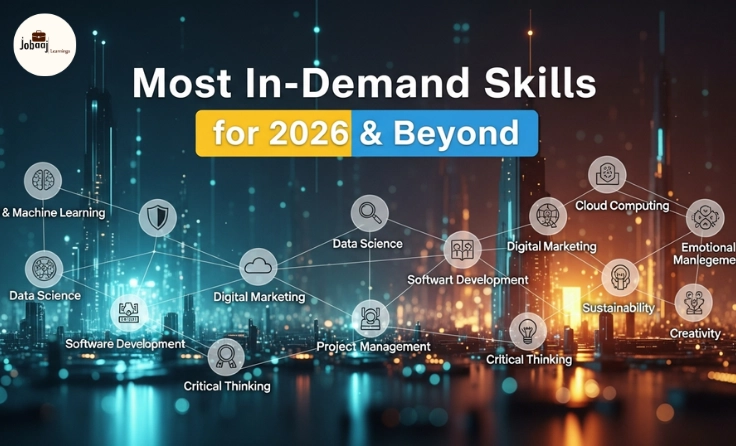
The world of work is constantly evolving. With the rapid advancements in technology, shifts in consumer behavior, and the rise of new industries, it can sometimes feel like the job market is changing faster than we can keep up. However, certain skills continue to remain in high demand, and mastering them can set you on the path to success in 2026 and beyond.
In this blog, we’ll explore the most in-demand skills across various industries, including technology, business, and creative sectors. Whether you’re just entering the workforce or considering a career shift, this guide will help you understand which skills will be most valuable in the near future and how you can start building them today.
Why Understanding In-Demand Skills Matters
In today’s competitive job market, it’s not just about what you’ve studied; it’s about what you can do and how well you can adapt. With automation, artificial intelligence, and digital tools reshaping industries, employers are increasingly looking for candidates who possess a unique blend of technical know-how, creative thinking, and interpersonal skills.
By identifying the skills that will be in high demand in the future, you can future-proof your career and stand out from the competition.
Top In-Demand Skills for 2026 and Beyond
Here’s a rundown of the key skills expected to be in high demand in the coming years across different industries:
1. Artificial Intelligence and Machine Learning
AI and machine learning are transforming industries, from healthcare and finance to entertainment and retail. These technologies can analyze vast amounts of data and make decisions with minimal human intervention.
-
Why it’s in demand: AI is being applied in virtually every industry to automate processes, enhance decision-making, and improve customer experiences. From self-driving cars to AI-powered chatbots, the potential for growth in AI and machine learning is enormous.
-
How to build this skill: Take courses in Python, TensorFlow, Keras, and R. You can also dive into specialized fields like natural language processing and computer vision.
2. Data Science and Analytics
As businesses continue to generate more data, the need for skilled data scientists and analysts is growing. Data scientists help organizations make sense of data, identify trends, and make informed decisions.
-
Why it’s in demand: Data is at the heart of decision-making in nearly every organization today. Whether you’re working with customer data or business operations, being able to extract valuable insights from large datasets is crucial.
-
How to build this skill: Master tools like SQL, Excel, Tableau, and Power BI. Learn programming languages like Python or R, and get familiar with machine learning algorithms for deeper data analysis.
3. Cybersecurity
With increasing threats to digital infrastructure, cybersecurity has become more critical than ever. Organizations across industries need professionals who can safeguard their data and networks against hackers and cybercriminals.
-
Why it’s in demand: The rise of cloud computing, IoT devices, and data breaches makes cybersecurity one of the most essential skills in the digital age. As technology evolves, so do cyber threats, making this a constantly growing field.
-
How to build this skill: Earn certifications like Certified Information Systems Security Professional (CISSP), Certified Ethical Hacker (CEH), or CompTIA Security+. Stay up to date with trends in threat management, risk mitigation, and security protocols.
4. Cloud Computing
Cloud technology has revolutionized how businesses store and manage data. Companies are increasingly relying on cloud platforms to store, analyze, and access data from anywhere in the world.
-
Why it’s in demand: As more companies move their operations to the cloud, the demand for professionals who understand cloud platforms like Amazon Web Services (AWS), Microsoft Azure, and Google Cloud is growing.
-
How to build this skill: Get hands-on experience with cloud platforms, and pursue certifications such as AWS Certified Solutions Architect or Microsoft Certified: Azure Solutions Architect Expert.
5. Digital Marketing and SEO
With most businesses shifting to online platforms, digital marketing and SEO (Search Engine Optimization) have become essential skills. Companies need experts who can help them navigate digital advertising, social media, and organic search to drive traffic and sales.
-
Why it’s in demand: Businesses rely on digital marketing to reach their target audiences. The ability to create compelling digital campaigns and optimize websites for search engines is in high demand.
-
How to build this skill: Learn about Google Ads, Facebook Ads, content marketing, and SEO techniques. Consider certifications such as Google Analytics, HubSpot Inbound Marketing, and SEMrush Academy to enhance your expertise.
6. Product Management
Product management plays a crucial role in the lifecycle of a product—from conception to market launch. Product managers work with multiple teams to ensure that products meet customer needs and align with business goals.
-
Why it’s in demand: As companies focus on launching user-centered products, the need for skilled product managers is increasing. PMs guide product vision, development, and market strategy.
-
How to build this skill: Learn about Agile methodologies, user experience design, and market research. Consider taking courses in product management or earning certifications like Certified Scrum Product Owner (CSPO).
7. Soft Skills: Communication and Emotional Intelligence
In addition to technical skills, soft skills like communication, emotional intelligence, and teamwork are in high demand. These skills are vital for building strong relationships, managing teams, and communicating effectively across departments.
-
Why it’s in demand: As workplaces become more collaborative, the ability to communicate ideas, manage emotions, and work well with others is essential for success.
-
How to build this skill: Work on improving your active listening, conflict resolution, and leadership skills. Attend workshops or take courses on emotional intelligence and effective communication.
8. UX/UI Design
User experience (UX) and user interface (UI) design are crucial for developing intuitive, engaging digital products. As customer expectations rise, companies need UX/UI designers who can create seamless experiences across websites and apps.
-
Why it’s in demand: Companies need well-designed digital products that are not only functional but also enjoyable to use. This makes UX/UI design a growing field with high demand.
-
How to build this skill: Learn design tools like Sketch, Figma, and Adobe XD. Understand principles of user-centered design, and consider courses in UX design or HCI (Human-Computer Interaction).
9. Automation and Robotics
The demand for automation and robotics is soaring as companies look to streamline operations, reduce human error, and increase efficiency.
-
Why it’s in demand: Industries such as manufacturing, logistics, and healthcare are increasingly using automation and robotics to optimize their processes.
-
How to build this skill: Learn about robotic process automation (RPA) tools and robotics programming. Explore platforms like Blue Prism, UiPath, or Automation Anywhere to get started.
10. Blockchain Technology
Blockchain has expanded beyond cryptocurrency to become a valuable tool in industries like finance, healthcare, and supply chain management. Understanding blockchain’s potential is essential for anyone looking to work in tech or business in the future.
-
Why it’s in demand: Blockchain offers secure, decentralized solutions that are valuable for many industries, particularly finance and data management.
-
How to build this skill: Take online courses on blockchain development, smart contracts, and Ethereum. Learn how to build decentralized applications and get hands-on experience with blockchain platforms.
Conclusion
As we move into 2026 and beyond, the demand for technical skills like AI, machine learning, and data analytics will continue to rise. However, soft skills like emotional intelligence, communication, and leadership will also play a critical role in shaping the workforce of the future.
The key to staying relevant in today’s fast-paced job market is to continuously evolve and adapt. By investing in learning the skills outlined above, you’ll be better equipped to tackle the challenges of tomorrow and land your dream job in the industries that are shaping the future.
Frequently asked questions
What are the most in-demand skills for 2026?
Some of the most in-demand skills for 2026 include Artificial Intelligence (AI), Machine Learning, Data Science and Analytics, Cybersecurity, Cloud Computing, Digital Marketing, Product Management, UX/UI Design, and Soft Skills like Communication and Emotional Intelligence.
How can I prepare for the future job market in 2026?
To prepare for the future job market, focus on developing both technical and soft skills. Consider online courses, certifications, and hands-on experience in areas like AI, data analytics, and digital marketing. Additionally, work on building your communication, leadership, and problem-solving abilities.
Which industries will have the most job opportunities in 2026?
Industries like technology, healthcare, finance, and digital marketing are expected to see significant job growth in 2026. As companies continue to adopt AI, machine learning, and automation, there will be a surge in demand for skilled professionals in these areas.
How can I build my skills for a career in AI and machine learning?
To build your skills in AI and machine learning, start by learning programming languages like Python and R. Explore tools like TensorFlow and Keras, and consider taking online courses or pursuing certifications in these fields. Real-world projects and internships are also valuable for gaining practical experience.
What role does emotional intelligence play in the future job market?
Emotional intelligence will be essential in the future job market as workplaces become more collaborative and interconnected. It helps professionals navigate interpersonal relationships, manage conflicts, and lead teams effectively. Companies are increasingly valuing emotional intelligence alongside technical skills.
How do I stay relevant in a rapidly changing job market?
Staying relevant in a rapidly changing job market requires continuous learning. Stay updated on industry trends, pursue professional development opportunities, and regularly upskill yourself with the latest tools and technologies. Flexibility, adaptability, and the willingness to learn are key to thriving in the evolving workforce.

Join 5,00,000+ Subscribers
Be a part of our ever growing community.