Categories














/content/learnings/assets/header/ManagementConsulting.svg)
/content/learnings/assets/header/InvestmentBanking.svg)


























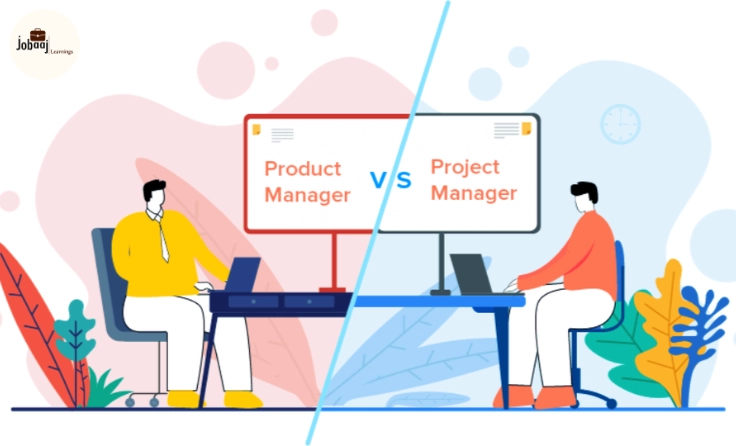
When working on a product development project, it’s common to encounter confusion around the roles of Product Managers and Project Managers. Although these titles sound similar, they represent very different responsibilities and focus areas. Understanding these distinctions is essential for any team, as it helps ensure smoother workflows, better collaboration, and more successful product delivery.
Exploring a career in Product Management? Apply Now!
The Product Manager and the Project Manager each bring a unique set of skills and focus to the table. One focuses on the vision, strategy, and goals of the product, while the other concentrates on the execution, resources, and timelines. These two roles often work closely together, but they serve distinct purposes.
What is a Product Manager?
A Product Manager is responsible for the overall vision and strategy of the product. They are the person who defines what the product will be, why it’s being created, and what problem it will solve. Their main job is to ensure that the product aligns with user needs, business goals, and market opportunities.
Key Responsibilities of a Product Manager:
-
Defining the Product Vision: The Product Manager is responsible for understanding the market, users, and business needs. They translate these insights into a clear product vision.
-
Setting Goals and Priorities: They create clear, measurable goals for the product and prioritize the features that align with the business objectives.
-
Stakeholder Management: They work closely with other teams (design, engineering, marketing) to ensure alignment and clarity on the product’s direction.
-
Driving Strategy: The Product Manager guides the product’s overall direction and strategy, making sure that the development process supports the long-term product goals.
Focus Areas of a Product Manager:
-
Product vision and strategy
-
User needs and market fit
-
Feature prioritization and roadmaps
What is a Project Manager?
A Project Manager, on the other hand, is responsible for managing the execution of the project. They ensure that all tasks related to building the product are completed on time, within budget, and according to the agreed-upon specifications. The Project Manager focuses on managing timelines, resources, and teams, making sure everything runs smoothly.
Key Responsibilities of a Project Manager:
-
Managing Timelines and Deadlines: The Project Manager is in charge of ensuring that the project is completed on time. They set and monitor deadlines, manage the project schedule, and track progress.
-
Coordinating Resources: They ensure that the right resources (personnel, tools, etc.) are available and used efficiently throughout the development process.
-
Risk Management: The Project Manager identifies potential risks and creates strategies to address them, ensuring the project stays on track.
-
Reporting and Communication: They act as the point of contact between teams, stakeholders, and clients, providing regular updates on project status, challenges, and successes.
Focus Areas of a Project Manager:
-
Task execution and delivery
-
Resource management and optimization
-
Timeline management and risk mitigation
Key Differences Between a Product Manager and a Project Manager
While both roles are integral to product development, their focus and responsibilities are distinct. Here’s a breakdown of the key differences:
1. Focus Area
-
Product Manager: Focuses on the product itself—its vision, features, and goals.
-
Project Manager: Focuses on managing the execution and ensuring that the product is developed and delivered on time.
2. Goal Orientation
-
Product Manager: The goal is to ensure the product provides value to the users and meets business objectives. The product manager is focused on long-term success and user satisfaction.
-
Project Manager: The goal is to ensure the project stays within the timeline and budget. They focus on short-term milestones and successful delivery.
3. Decision-Making
-
Product Manager: Makes decisions based on user needs, market trends, and business goals. They determine which features to build and prioritize.
-
Project Manager: Makes decisions based on execution—how to best organize tasks, allocate resources, and keep the project moving forward.
4. Collaboration
-
Product Manager: Collaborates with design, engineering, sales, and marketing teams to ensure that the product vision is carried through in the final product.
-
Project Manager: Works with cross-functional teams to ensure the project is completed on time and to specification. They coordinate with all departments involved in the project.
How Do Product Managers and Project Managers Work Together?
Though they have different responsibilities, Product Managers and Project Managers work hand-in-hand throughout the product development process. Here’s how they collaborate:
-
Product Manager defines the product vision, goals, and user stories.
-
Project Manager ensures the product is built according to that vision and within the specified timeline.
-
Both roles continuously communicate to ensure that the development process aligns with the product goals and deadlines.
While the Product Manager is responsible for what needs to be built, the Project Manager focuses on ensuring the product is built in an efficient, organized manner.
Conclusion
Understanding the differences between a Product Manager and a Project Manager is essential for any team working on product development. Both roles are crucial to the success of a product, but they focus on different aspects of the process. The Product Manager is responsible for the product’s vision, user needs, and overall strategy, while the Project Manager focuses on the execution—ensuring the project is completed on time, within budget, and according to plan.
In successful teams, Product Managers and Project Managers work together to ensure that the product not only meets business objectives but is also delivered efficiently and effectively. By understanding the unique responsibilities of each role and how they complement one another, teams can drive product success with better clarity, collaboration, and results.
Dreaming of a Product Management Career? Start with Product Management Certificate with Jobaaj Learnings.
Frequently asked questions
What is the difference between a Product Manager and a Project Manager?
A Product Manager focuses on the product's vision, goals, and user needs, while a Project Manager focuses on managing timelines, resources, and task execution to ensure the product is delivered on time.
What does a Product Manager do?
A Product Manager defines the product’s vision, strategy, and features. They ensure the product meets user needs and aligns with business objectives.
What does a Project Manager do?
A Project Manager ensures that the product is delivered on time, within budget, and according to specifications. They manage tasks, teams, and timelines.
How do Product Managers and Project Managers work together?
Product Managers define what needs to be built, while Project Managers ensure that it is built efficiently and on schedule. They collaborate to ensure the product aligns with the vision while meeting deadlines.
Which role is more important, Product Manager or Project Manager?
Both roles are equally important. A Product Manager ensures the product meets user needs and business goals, while a Project Manager ensures it is delivered on time and within budget. Together, they drive the success of the product.
What skills are needed for a Product Manager?
Product Managers need strong leadership, strategic thinking, market research, and communication skills. They should also be able to prioritize features based on user needs and business goals.

Join 5,00,000+ Subscribers
Be a part of our ever growing community.