Categories














/content/learnings/assets/header/ManagementConsulting.svg)
/content/learnings/assets/header/InvestmentBanking.svg)


























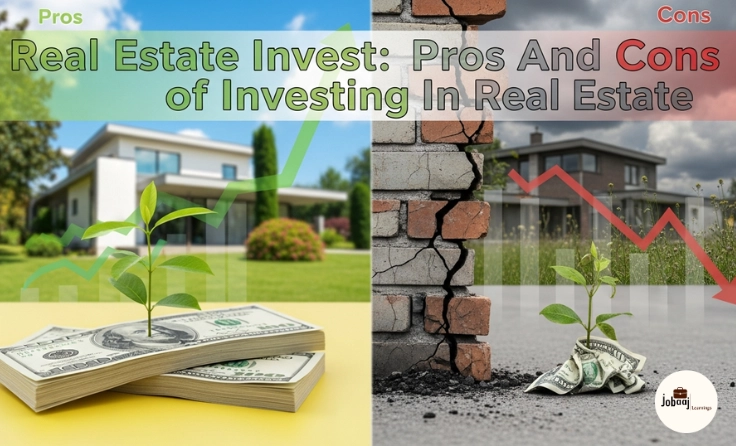
Investing in real estate has long been considered a reliable way to build wealth, generate passive income, and diversify an investment portfolio. Whether you’re purchasing residential properties, commercial buildings, or exploring the emerging real estate investment trusts (REITs), real estate can offer numerous benefits. However, as with any investment, it comes with its own set of challenges and risks.
Exploring a career in Investment Banking? Apply now!
In this blog, we’ll break down the pros and cons of investing in real estate, so you can make a well-informed decision on whether it’s the right investment option for you.
What is Real Estate Investment?
Real estate investment refers to the process of purchasing, owning, managing, and selling real estate properties to generate profit. Investors in real estate can generate income through rental income, appreciation in property value, or both. Additionally, real estate investments can be in the form of direct property ownership or indirect investments, like REITs, which allow you to invest in real estate without owning physical property.
Now, let's dive deeper into the pros and cons of real estate investment.
Pros of Investing in Real Estate
1. Steady Cash Flow
One of the most attractive benefits of real estate investment is the potential for regular, passive income. Rental properties, whether residential or commercial, can provide consistent cash flow. As long as your property is leased, you can expect a steady stream of rental payments, which can help cover mortgage payments and offer additional profits.
2. Appreciation in Property Value
Over time, the value of real estate tends to appreciate, especially in growing markets. As property values increase, your investment grows, resulting in potential profits when you sell the property at a higher price than what you initially paid for it. This long-term growth potential is a major draw for real estate investors.
3. Tax Benefits
Real estate investors can benefit from various tax advantages. For example, you may be able to deduct expenses related to property maintenance, mortgage interest, property taxes, and insurance. Additionally, certain investment strategies like depreciation can lower your taxable income, providing even more savings.
4. Diversification
Adding real estate to your investment portfolio allows for diversification, helping to reduce risk. Stocks and bonds are often volatile and subject to market swings, while real estate tends to be more stable. This makes real estate a popular option for investors looking to balance more aggressive investments with steady, low-risk assets.
5. Leverage
Real estate provides an excellent opportunity to use leverage (borrowed money) to maximize your return on investment. By taking out a mortgage to purchase a property, you can use other people’s money to make a profit. If the property appreciates in value, the return on your invested capital can be significantly higher than if you had invested solely your own money.
Cons of Investing in Real Estate
1. High Initial Capital Requirement
One of the biggest barriers to real estate investment is the high initial capital needed to purchase a property. The upfront costs, including the down payment, closing costs, and potential renovation expenses, can be significant. For many investors, coming up with this money can be a challenge.
2. Property Maintenance and Management
Owning a property means you're responsible for its upkeep. From routine maintenance (like plumbing and electrical work) to dealing with tenants and addressing issues that arise, the responsibilities can quickly become overwhelming. If you choose to manage the property yourself, it’s time-consuming. Alternatively, hiring a property management company will cost you a percentage of the rental income.
3. Illiquidity
Real estate is a relatively illiquid asset, meaning it’s not as easy to sell or convert into cash quickly as stocks or bonds. If you need to access your money fast, selling a property can take time, often several months or even longer, depending on market conditions.
4. Market Risk
The value of real estate can fluctuate based on market conditions, interest rates, and local economic factors. While property values typically appreciate over time, there are periods when the market might experience downturns, leading to decreased property values or lower rental income. Real estate investors are exposed to this risk, and market cycles can be difficult to predict.
5. Liquidity Issues
Real estate is a long-term investment, and selling a property may not always be easy or quick. Unlike stocks or bonds that can be traded instantly, real estate transactions take time. You may also need to wait for the right buyer to offer a competitive price, which could result in a longer selling process.
6. Financing Challenges
While real estate offers opportunities to leverage other people’s money, securing financing for property purchases can be difficult, especially for first-time investors. If you don’t have a solid credit history or a large down payment, obtaining a mortgage may be challenging. Additionally, rising interest rates could impact the overall return on investment by increasing monthly mortgage payments.
How to Get Started with Real Estate Investment
For those interested in entering the real estate market, the first step is to educate yourself. Research different types of real estate investments, understand your risk tolerance, and assess your financial capabilities. Below are a few common ways to get started:
1. Direct Property Ownership
This is the most traditional way to invest in real estate. It involves purchasing a property (residential or commercial), managing tenants, and maintaining the property. As a property owner, you receive rental income and the potential for long-term appreciation in property value.
2. Real Estate Investment Trusts (REITs)
If you want to invest in real estate but don’t want to deal with the hassle of property management, REITs are a great option. These companies own and operate income-generating real estate, and investors can buy shares of the REIT, which provides returns based on the performance of the underlying properties.
3. Real Estate Crowdfunding
Real estate crowdfunding platforms allow investors to pool their money to invest in larger real estate projects. This method lowers the barrier to entry, enabling individuals to invest in commercial properties or large residential projects that they otherwise wouldn’t be able to afford on their own.
Conclusion
Real estate investment can be a lucrative way to build wealth and achieve financial security, but it is not without its challenges. It requires time, money, and effort to be successful. Whether it’s buying your first rental property or investing in a REIT, carefully consider your financial situation, long-term goals, and tolerance for risk before diving in.
For investors who are willing to commit to the long-term, real estate offers strong potential for financial growth, tax advantages, and portfolio diversification. However, it’s essential to weigh both the pros and cons of investing in real estate before making any decisions
Dreaming of a Finance career? Start with Investment Banking Certification with Jobaaj Learnings.
Frequently asked questions
What is real estate investment?
Real estate investment involves purchasing, owning, managing, and selling properties for profit. Investors can earn money through rental income, property appreciation, or a combination of both.
What are the benefits of investing in real estate?
The benefits include steady cash flow from rentals, appreciation in property value over time, tax advantages, and portfolio diversification. Real estate is also a more stable investment compared to stocks and bonds.
What are the risks of investing in real estate?
Risks include market volatility, illiquidity, high initial capital requirements, maintenance responsibilities, and the impact of economic factors on property values.
How do I get started with real estate investing?
Start by researching different types of real estate investments, including direct property ownership, REITs, and real estate crowdfunding. Assess your financial situation and risk tolerance before making any investment decisions.
What is a REIT?
A Real Estate Investment Trust (REIT) is a company that owns or operates income-generating real estate. Investors can buy shares in REITs, which provide returns based on the performance of the underlying properties, without the need to manage properties directly.

Join 5,00,000+ Subscribers
Be a part of our ever growing community.