Categories








































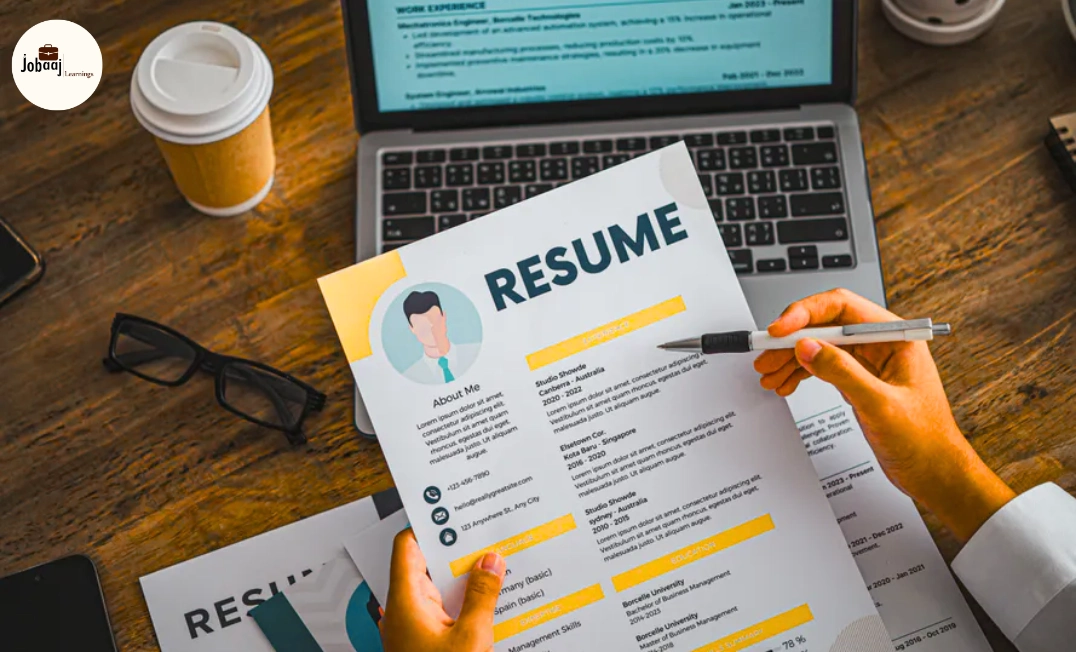
Entering the job market as a fresh graduate can feel overwhelming. You may have limited professional experience, but you still need to stand out to recruiters and interviewers. Your resume is your first impression, and interviews are your opportunity to showcase your skills, potential, and personality.
This guide provides actionable tips on building a strong resume and excelling in interviews, designed to help fresh graduates land their first roles in 2026.
Why a Strong Resume Matters
- First Impression: Recruiters often spend only 6–10 seconds on initial scanning.
- Highlights Potential: Showcases skills, projects, and achievements rather than just experience.
- Passes Screening Tools: Many companies use ATS (Applicant Tracking Systems) that filter resumes by keywords.
- Opens Interview Opportunities: A compelling resume increases the chances of getting noticed.
Resume Tips for Fresh Graduates
1. Structure & Format
- Keep it clean, concise, and professional (1 page is ideal).
- Use clear headings: Education, Skills, Projects, Internships, Certifications, Extracurriculars.
- Avoid clutter or fancy fonts; use bullet points for readability.
2. Highlight Relevant Skills
- Focus on technical skills: Excel, SQL, Python, Power BI, Tableau, or industry-specific tools.
- Include soft skills: communication, teamwork, problem-solving, leadership.
- Tailor skills to the role you are applying for.
3. Showcase Projects & Internships
- Include academic, personal, or internship projects that demonstrate practical skills.
- Describe your role, tools used, outcomes, and measurable impact.
- Example: “Developed a sales dashboard using Power BI, improving reporting efficiency by 30%.”
4. Quantify Achievements
- Use numbers wherever possible: “Managed a team of 5,” “Increased engagement by 20%,” “Processed 500+ data entries accurately.”
- Numbers make your impact tangible and credible.
5. Tailor for Each Application
- Customize your resume for each job description.
- Include keywords from the job posting to pass ATS filters.
- Emphasize experiences most relevant to the role.
Interview Tips for Fresh Graduates
1. Prepare Thoroughly
- Research the company: mission, products, culture, and competitors.
- Understand the job description and required skills.
- Practice common interview questions: behavioral, technical, and situational.
2. Use the STAR Method
- Structure answers using Situation, Task, Action, Result.
- Example: Describe a team project, your role, challenges faced, actions you took, and measurable outcomes.
3. Highlight Soft Skills
- PMs, analysts, and consultants value communication, adaptability, and teamwork.
- Share examples of leadership, problem-solving, and collaboration from school, projects, or internships.
4. Practice Mock Interviews
- Conduct mock interviews with mentors, peers, or online platforms.
- Focus on clarity, confidence, and body language.
- Record yourself to identify areas for improvement.
5. Ask Thoughtful Questions
- Show interest by asking questions about company culture, team dynamics, or role expectations.
- Avoid generic questions; focus on ones that demonstrate engagement and curiosity.
6. Follow-Up Professionally
- Send a thank-you email after interviews to reiterate interest.
- Keep it concise, professional, and personalized to the discussion.
Bonus Tips for Fresh Graduates
- LinkedIn Profile: Keep it updated with skills, projects, and a professional photo.
- Portfolio/Project Showcase: If applicable, maintain GitHub, Tableau Public, or personal website.
- Networking: Connect with alumni, industry professionals, or mentors to discover opportunities.
- Continuous Learning: Stay current with industry trends, certifications, or new tools.
Conclusion
Landing your first job requires a strategically crafted resume, thorough preparation, and confident interview skills. Fresh graduates who present achievements clearly, articulate skills effectively, and engage thoughtfully with recruiters can maximize their chances of success in 2026.
Your resume and interview are not just about showing what you know they’re about demonstrating potential, adaptability, and your ability to contribute to the organization from day one.
Frequently asked questions
How should fresh graduates structure their resume?
Use clear headings such as Education, Skills, Projects, Internships, Certifications, and Extracurriculars. Keep it concise, ideally one page, and use bullet points for readability.
What should fresh graduates include in their resume if they have limited experience?
Focus on academic projects, internships, volunteer work, certifications, and skills. Highlight measurable outcomes and the tools or techniques used.
How can fresh graduates prepare for interviews?
Research the company, review the job description, practice common behavioral and technical questions, and use the STAR method to structure answers.
What are the most important soft skills to demonstrate in interviews?
Communication, adaptability, teamwork, problem-solving, and leadership are key soft skills that employers look for in fresh graduates.
Should fresh graduates follow up after an interview?
Yes, sending a concise, professional, and personalized thank-you email reinforces interest in the role and leaves a positive impression on recruiters.

Join 5,00,000+ Subscribers
Be a part of our ever growing community.