Categories






































Accounting is the backbone of every business, ensuring that financial transactions are accurately recorded, analyzed, and reported. In a traditional setting, accounting involved manual processes, which were time-consuming, prone to errors, and limited in scope. However, in recent years, technology has drastically transformed the accounting industry. Today, technological advancements are enabling accountants to streamline their work, reduce errors, and provide deeper insights into financial data.
Exploring a career in Investment Banking? Apply now!
In this blog, we’ll explore what accounting is, how technology is transforming the field, and the key technological tools and trends reshaping accounting practices in 2026.
What is Accounting?
At its core, accounting is the process of recording, classifying, and summarizing financial transactions to provide insights into an organization’s financial health. This includes everything from managing accounts payable and receivable to preparing balance sheets, income statements, and tax returns. Accounting plays a crucial role in decision-making, regulatory compliance, and strategic planning.
There are several branches of accounting, including:
-
Financial Accounting: Deals with the preparation of financial statements for external stakeholders like investors and regulators.
-
Management Accounting: Focuses on providing internal managers with detailed financial information to help with decision-making.
-
Tax Accounting: Ensures that businesses comply with tax laws and regulations.
-
Forensic Accounting: Investigates financial discrepancies and fraud.
The Evolution of Technology in Accounting
Technology has been a driving force behind the transformation of accounting, moving it from manual bookkeeping to a more automated and data-driven approach. In 2026, cloud computing, artificial intelligence (AI), blockchain, and robotic process automation (RPA) are among the key technologies that have revolutionized how accounting tasks are performed.
Let's dive deeper into how technology is shaping the accounting profession in 2026.
1. Cloud Accounting: The Future of Financial Management
Cloud-based accounting software has emerged as one of the most significant advancements in accounting. Tools like QuickBooks Online, Xero, and FreshBooks allow businesses to access their financial data anytime, anywhere, as long as there’s an internet connection.
Cloud accounting eliminates the need for manual entry of data and reduces the risk of errors. It allows accountants to automate tasks, streamline workflows, and collaborate with clients in real-time. Moreover, cloud accounting offers enhanced security and scalability, making it easier for businesses of all sizes to manage their finances efficiently.
Key Benefits of Cloud Accounting:
-
Real-time collaboration: Multiple users can access and edit data simultaneously.
-
Automation: Automates invoicing, tax calculations, and reporting.
-
Scalability: Ideal for businesses of all sizes, from small startups to large corporations.
-
Cost-effective: Reduces the need for expensive hardware and maintenance costs.
2. Artificial Intelligence (AI) and Machine Learning (ML)
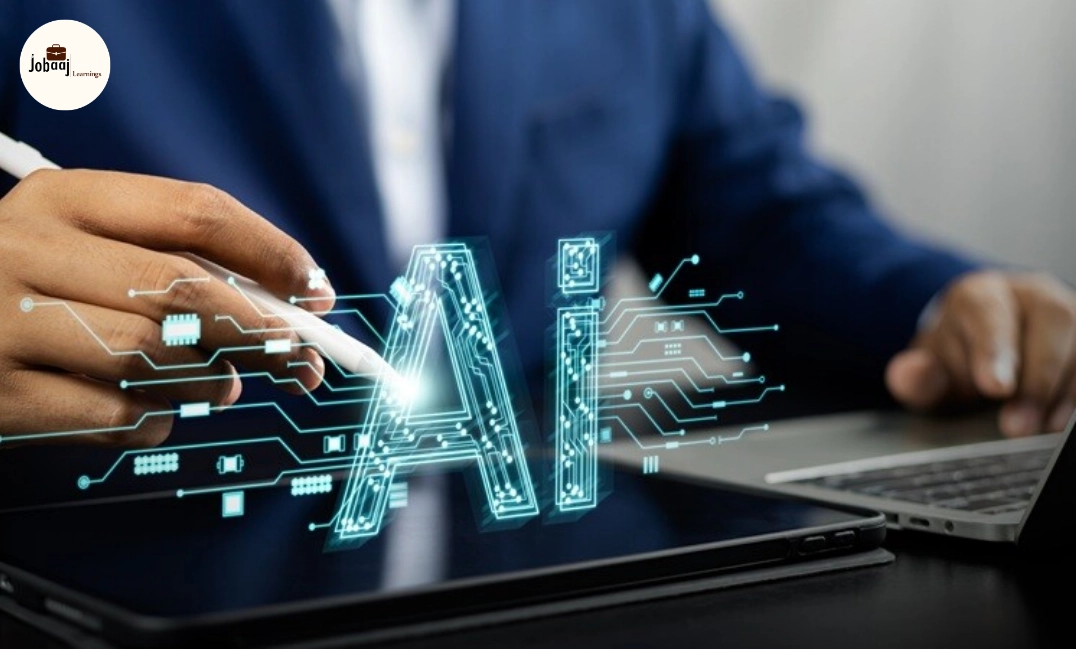
AI and machine learning have taken accounting by storm. From automating routine tasks like data entry to providing predictive insights into financial trends, AI is enhancing the way accountants work. AI-powered tools like Kashoo and Botkeeper can handle repetitive tasks such as categorizing transactions, preparing reports, and even detecting fraud.
In 2026, AI is helping accountants move from a purely reactive role to a more strategic one. By automating time-consuming tasks, AI allows accountants to focus on value-added activities, such as analyzing financial data, advising clients, and improving decision-making. AI also brings precision, reducing human error and increasing efficiency.
Key Benefits of AI in Accounting:
-
Automation of repetitive tasks: Reduces time spent on manual entry and allows for quicker processing of data.
-
Predictive analytics: Helps accountants forecast future financial trends and provide valuable insights.
-
Fraud detection: AI can flag suspicious transactions in real time, reducing the risk of fraud.
3. Blockchain Technology in Accounting
Blockchain technology, primarily known for supporting cryptocurrencies, has found applications in accounting as well. Blockchain provides a secure, transparent, and decentralized ledger system, which makes it easier for accountants to track transactions and verify data.
In 2026, blockchain is increasingly being used to improve accounting transparency and security. Since each transaction is recorded on a distributed ledger, it becomes tamper-proof and can be traced back to its origin, reducing the risk of errors or fraudulent activities. This level of transparency is invaluable, especially in industries like financial services and supply chain management.
Key Benefits of Blockchain in Accounting:
-
Increased transparency: Blockchain ensures that all transactions are publicly recorded and can be audited easily.
-
Improved security: The decentralized nature of blockchain ensures that data is secure and cannot be tampered with.
-
Efficient auditing: Blockchain simplifies the auditing process, reducing the time and cost associated with audits.
4. Robotic Process Automation (RPA)
Robotic Process Automation (RPA) is another game-changing technology in the accounting profession. RPA uses software robots (or “bots”) to automate routine, rule-based tasks such as invoice processing, account reconciliation, and tax calculations.
In 2026, RPA is helping accountants eliminate manual processes that are prone to human error and consume a lot of time. By automating these repetitive tasks, accountants can focus on higher-level activities that require analytical thinking and creativity, such as strategic planning and financial consulting.
Key Benefits of RPA in Accounting:
-
Increased efficiency: Automates repetitive tasks and reduces the time needed to complete them.
-
Cost savings: Reduces labor costs and minimizes errors that could lead to financial losses.
-
Better accuracy: Bots perform tasks with greater accuracy and consistency than humans.
5. Data Analytics and Financial Forecasting Tools
Data analytics tools have become a crucial part of accounting, allowing accountants to analyze large amounts of financial data quickly and accurately. Tools like Power BI, Tableau, and Google Analytics are widely used to create financial reports, dashboards, and forecasts that help businesses make informed decisions.
In 2026, data-driven insights are key to staying ahead in the competitive business world. Accountants who are proficient in using data analytics tools can provide valuable financial insights, predict trends, and offer recommendations that help businesses optimize their resources and improve profitability.
Key Benefits of Data Analytics in Accounting:
-
Better decision-making: Enables accountants to provide actionable insights that can guide business strategy.
-
Real-time reporting: Provides instant access to financial data, allowing businesses to respond to challenges more quickly.
-
Financial forecasting: Helps predict future trends, enabling businesses to make proactive decisions.
Conclusion
As we move into 2026, the role of technology in accounting is becoming increasingly integral. The rise of cloud accounting, AI, blockchain, RPA, and data analytics has transformed how accountants manage finances, ensuring greater efficiency, accuracy, and security.
The profession of accounting is no longer just about number-crunching it’s about providing strategic insights that help businesses grow and thrive in a competitive market. By embracing the power of technology, accountants can add more value to their organizations and become key players in driving business success.
For aspiring accountants and professionals looking to stay ahead in this rapidly evolving field, mastering these technological tools is a must. The future of accounting is digital, and those who adapt to these advancements will be poised for success in the years to come.
Curious about Generative AI? Apply Now and Explore the Future of AI with Jobaaj Learnings!
Frequently asked questions
How is technology transforming the accounting profession?
Technology is revolutionizing accounting by automating tasks, enhancing data accuracy, and improving decision-making. Key technologies like AI, blockchain, and cloud accounting are helping accountants provide strategic insights and increase operational efficiency.
What are the benefits of cloud accounting?
Cloud accounting offers real-time collaboration, automation of financial tasks, and increased scalability. It allows businesses to access financial data anytime and anywhere, improving efficiency and reducing the risk of errors.
How does AI impact accounting in 2026?
AI in accounting automates repetitive tasks, provides predictive analytics, and enhances fraud detection. It allows accountants to focus on high-level strategic activities, making them more efficient and valuable to businesses.
What is blockchain's role in accounting?
Blockchain provides a secure, transparent ledger for recording transactions, making it easier for accountants to track financial data, reduce fraud, and ensure the integrity of financial records.
What is Robotic Process Automation (RPA) in accounting?
RPA uses software robots to automate rule-based, repetitive tasks in accounting, such as invoice processing and reconciliation. This improves efficiency, reduces human error, and lowers operational costs.

Join 5,00,000+ Subscribers
Be a part of our ever growing community.