Categories














/content/learnings/assets/header/ManagementConsulting.svg)
/content/learnings/assets/header/InvestmentBanking.svg)

























/content/learnings/assets/header/programs/1.png)
/content/learnings/assets/header/programs/4.png)

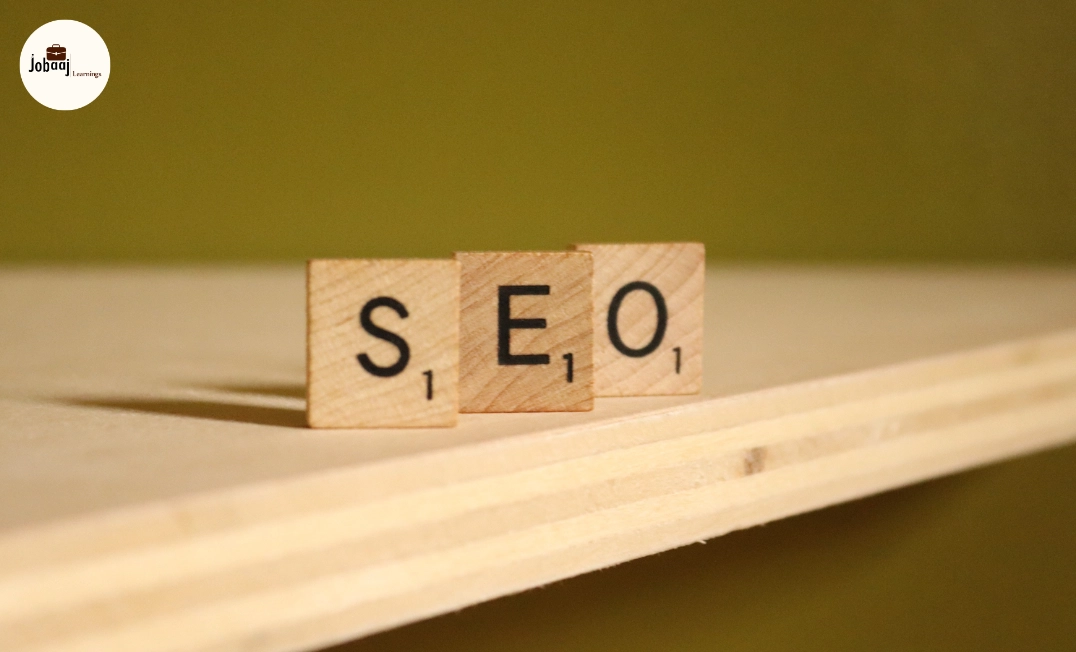
In the modern era of digital marketing, getting noticed online is no easy feat. With millions of websites, blogs, and e-commerce platforms vying for attention, it can be hard for your content to stand out. This is where SEO, or Search Engine Optimization, comes in.
SEO is a crucial element of digital marketing that helps businesses enhance their online visibility, attract more organic traffic, and ultimately drive more conversions. By making your website or content more accessible and understandable to search engines like Google, you increase your chances of showing up in search results when potential customers are looking for your products or services.
In this blog, we will explain what SEO is, why it matters for your digital marketing strategy, and how it can help you achieve your business goals.
What is SEO?
SEO stands for Search Engine Optimization. It refers to the practice of optimizing your website or online content so that it ranks higher in search engine results pages (SERPs) for specific keywords or phrases.
Search engines like Google, Bing, and Yahoo have crawlers (also called spiders or bots) that scan websites and index content. SEO involves improving various aspects of your website, including content, structure, and backlinks, so that search engines can understand what your site is about and rank it accordingly.
In other words, SEO helps search engines find, understand, and present your website in a way that aligns with user queries, thereby making your site more discoverable by potential visitors.
The Key Components of SEO:
- On-Page SEO: This involves optimizing individual pages on your website to rank higher and attract more relevant traffic. It includes factors like keywords, content quality, headings, meta tags, and URL structure.
- Off-Page SEO: This refers to external factors like backlinks (links from other websites pointing to yours), social media signals, and online mentions. Building authority through these external sources boosts your website's credibility and ranking.
- Technical SEO:This focuses on the technical aspects of your website, such as site speed, mobile-friendliness, secure HTTPS connections, and a well-structured XML sitemap. A well-optimized website ensures that search engines can crawl and index your content effectively.
Why is SEO Important for Digital Marketing?
SEO is essential in digital marketing for several reasons, and it’s the backbone of driving organic traffic. Let’s explore why SEO is vital for any business that wants to succeed in the online world.
1. Increased Organic Traffic
One of the biggest benefits of SEO is its ability to attract organic traffic. Unlike paid ads, which cost money each time someone clicks on your link, organic traffic is free. SEO helps you rank higher in search results, making it more likely that users will click on your site when they search for keywords related to your business.
2. Improved User Experience
Good SEO practices often align with providing a better user experience (UX). For example, fast-loading websites, mobile optimization, and easy-to-navigate structures are all SEO best practices. These features not only improve your site’s chances of ranking higher but also make visitors want to stay longer and explore more of your content.
3. Better Brand Credibility and Trust
Websites that rank higher on search engine results pages are often seen as more trustworthy and credible. Users tend to click on sites that appear at the top, believing they are more relevant and authoritative. SEO helps establish your brand’s authority by optimizing your content and earning backlinks from reputable sources.
4. Higher Conversion Rates
Effective SEO doesn’t just drive traffic it helps you attract the right kind of traffic. By targeting specific keywords related to your products or services, you ensure that visitors coming to your site are genuinely interested in what you offer. This results in higher conversion rates, whether that means making a purchase, filling out a contact form, or signing up for your newsletter.
5. Long-Term Results
One of the main advantages of SEO is that it provides long-term results. While paid ads stop working as soon as you stop paying for them, SEO continues to bring in organic traffic as long as you maintain your website and content. A well-executed SEO strategy can deliver sustained visibility and consistent growth over time.
6. Competitive Advantage
In a world where most businesses are online, SEO is a must-have strategy. If your competitors are optimizing their websites and you’re not, they will likely outperform you in search rankings, leading to more traffic, sales, and growth for them. By investing in SEO, you level the playing field and ensure your brand isn’t left behind.
How Does SEO Work?
SEO works by optimizing your website for search engines and aligning it with what users are searching for. Let’s break it down:
- Keyword Research: The first step in SEO is identifying the words and phrases potential customers are searching for. These keywords should be relevant to your business and reflect the terms users use when searching for products or services like yours.
- Content Optimization: Once you have your target keywords, you need to optimize your website’s content to include them. This includes adding keywords to page titles, meta descriptions, headings, and naturally throughout your content.
- Link Building: Search engines consider backlinks (links from other sites to yours) as votes of confidence. The more high-quality backlinks your website has, the more likely it is to rank higher. Engaging in guest blogging, PR campaigns, and partnering with influencers can help you earn valuable backlinks.
- Mobile Optimization: With an increasing number of users browsing and shopping from mobile devices, optimizing your website for mobile is essential. Google prioritizes mobile-friendly sites in its rankings, so this aspect of SEO is crucial.
- Site Speed Optimization: Slow-loading websites hurt the user experience and search rankings. Ensuring that your website loads quickly across all devices is an important aspect of SEO.
Conclusion
SEO is the foundation of any effective digital marketing strategy. By optimizing your website, targeting the right keywords, and creating high-quality content, SEO ensures that your business is easily discoverable online. It builds credibility, enhances user experience, and drives organic traffic that results in long-term success. If you're not implementing SEO, you're missing out on the opportunity to reach new customers and grow your business.
With the evolving nature of search engines and digital marketing, keeping up with SEO trends and best practices is vital for staying competitive and visible in today’s crowded digital landscape.
Frequently asked questions
What is SEO and how does it work?
SEO (Search Engine Optimization) is the process of optimizing your website to rank higher in search engine results. It involves keyword research, on-page optimization, link building, and improving website performance to increase visibility and drive organic traffic.
Why is SEO important for digital marketing?
SEO is crucial because it helps businesses increase their online visibility, attract targeted traffic, and improve conversion rates. It enables companies to connect with potential customers who are actively searching for their products or services.
What are the key components of SEO?
The key components of SEO include on-page SEO, off-page SEO, and technical SEO. On-page SEO involves optimizing website content, off-page SEO focuses on building backlinks, and technical SEO ensures your site is easily crawled and indexed by search engines.
How long does it take to see results from SEO?
SEO is a long-term strategy, and it can take several months to start seeing significant results. However, once implemented, SEO can continue to deliver sustainable results and drive consistent traffic over time.
Can SEO help small businesses?
Yes, SEO is especially important for small businesses. It helps them compete with larger companies by improving their search engine ranking, making them more visible to local customers and niche markets.

Join 5,00,000+ Subscribers
Be a part of our ever growing community.