Categories











/content/learnings/assets/header/ManagementConsulting.svg)
/content/learnings/assets/header/InvestmentBanking.svg)
























Imagine walking into a busy market on a sunny morning. The aroma of fresh bread mingles with the scent of spices, and the chatter of customers fills the air. Every shop has something unique—some products fly off the shelves within hours, while others sit untouched, waiting for a buyer.
Exploring a career in Performance Marketing? Apply Now!
Now think about the shop owners. Some of them just “happen to succeed,” while others seem to have an almost magical sense of what will sell. But it’s not magic—they’ve learned to read the subtle signs of the market. They observe what customers are buying, notice which products catch attention, and act before competitors can.
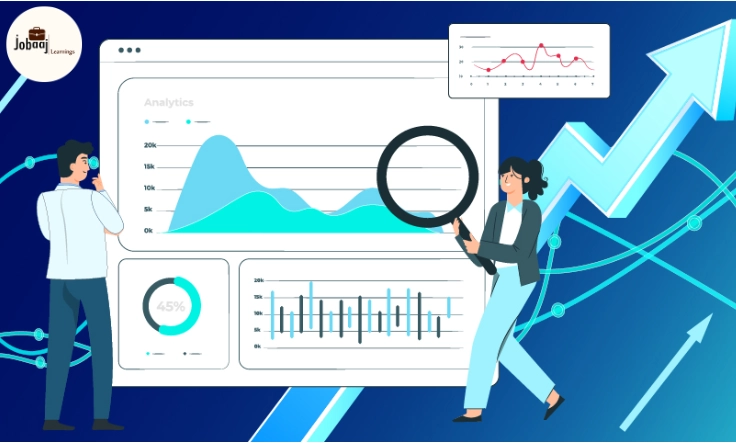
This is exactly what market trends analysis does in the business world. It’s your way of reading the market’s mind before anyone else does. It gives you the power to spot opportunities, minimize risks, and make informed decisions that lead to steady growth. Without it, businesses are essentially guessing—and in today’s fast-paced world, guessing rarely works.
What is Market Trends Analysis?
Market trends analysis is the systematic study of how the market behaves over time. It’s more than just watching what’s popular this week—it’s about understanding patterns, predicting shifts, and using that information to make smarter business decisions.
It involves:
-
Understanding customer preferences and changing behaviors
-
Observing competitor strategies and identifying gaps
-
Monitoring industry patterns and macroeconomic factors
-
Spotting emerging trends before they become mainstream
The goal is simple: reduce guesswork. Instead of wondering what will sell or which campaign will work, you rely on data-driven insights. These insights guide product development, marketing strategies, and overall business planning.
Why Understanding Your Audience Matters
The core of market trends analysis is understanding people—the customers. The more you know about your audience, the better you can predict their needs and preferences.
Ask yourself:
-
Who are my customers? Are they young professionals, parents, students, or retirees?
-
What are their pain points and needs?
-
How do they make purchasing decisions?
For example, suppose you notice that customers are increasingly searching for eco-friendly products online. This is more than a passing trend—it’s a clear signal about changing priorities. Businesses that recognize this early can develop products that meet these preferences, position themselves as eco-conscious brands, and gain a competitive edge.
Observing customer behavior is also about patterns over time, not just short-term spikes. Social media engagement, online reviews, and direct feedback are all goldmines of information. The key is to listen, analyze, and act.
Learning from Competitors
Competitors aren’t your enemies—they’re valuable sources of information. Competitor analysis shows what’s working in the market, where opportunities exist, and which strategies to avoid.
Key aspects to monitor:
-
Marketing campaigns: Which ads or content are generating buzz?
-
Product performance: Which products are gaining traction and why?
-
Pricing strategies: How are competitors pricing similar products?
-
Customer engagement: Are they focusing on loyalty programs, social media, or influencer marketing?
For instance, if a competitor launches a successful subscription model for monthly deliveries, analyzing their approach can help you understand market readiness. You might adapt a similar model with your unique twist. Tools like Google Alerts, SEMrush, Ahrefs, and social media listening platforms can help track competitors efficiently.
Remember, the goal isn’t to copy but to learn and differentiate. Identify gaps in the market that competitors aren’t addressing and position your business to meet those unmet needs.
The Role of Data in Market Trends Analysis
Data is the backbone of trend analysis. Without data, you’re just guessing. The types of data you should consider include:
-
Historical sales data: Understand what sold well in the past and why.
-
Search trends: Use tools like Google Trends to spot what people are actively searching for.
-
Social media engagement: Track hashtags, likes, shares, and comments to identify emerging topics.
-
Customer feedback: Online reviews, surveys, and direct communication reveal what customers like and dislike.
For example, if there’s a sudden spike in searches for “vegan snacks” in your region, that’s a strong market signal. Businesses that act quickly can launch relevant products or campaigns before the trend peaks.
Analyzing patterns is also about spotting long-term shifts versus temporary spikes. Temporary spikes might be due to seasonal events or viral content, while long-term trends indicate changes in consumer behavior and preferences.
Forecasting Future Trends
Forecasting is where market trends analysis becomes strategic. By using historical data and observing emerging patterns, you can predict what’s likely to happen in the market next.
Consider seasonal products like heaters in winter or sunscreen in summer. Forecasting allows businesses to prepare stock, plan marketing campaigns, and maximize revenue. On a larger scale, predictive analytics tools can analyze consumer behavior, competitor actions, and economic indicators to estimate market shifts.
Example: Suppose your data shows a growing interest in home fitness equipment post-pandemic. Forecasting predicts that this trend will continue for the next few years. A smart business could invest in new product lines, targeted marketing campaigns, and partnerships to capitalize on this opportunity.
Turning Insights into Action
Data and analysis are useless unless converted into actionable strategies. Market trends analysis should directly influence business decisions such as:
-
Product development and innovation
-
Pricing strategies
-
Marketing campaigns
-
Expansion plans
-
Customer engagement initiatives
Businesses that act on insights gain a significant advantage. They reduce risk, invest resources wisely, and meet customer expectations more effectively. Market trends analysis isn’t a one-time activity; it’s an ongoing process. Regular monitoring ensures your strategies stay relevant as customer behavior and market conditions evolve.
Conclusion
Market trends analysis is like having a compass in the complex world of business. By observing customers, learning from competitors, analyzing data, and forecasting future shifts, businesses can make confident, data-driven decisions.
The market is dynamic, and staying ahead requires continuous learning and adaptation. Companies that embrace market trends analysis turn uncertainty into opportunity. They don’t just survive—they thrive. And just like the shop owners in our story, they can anticipate demand, act proactively, and consistently outperform their competitors.
Dreaming of a Performance Marketing Career? Start with Performance Marketing Certificate with Jobaaj Learnings.
Frequently asked questions
What is market trends analysis?
Market trends analysis is the practice of studying market behavior over time to understand shifts in demand, customer preferences, and industry patterns. It helps businesses make informed decisions and predict future opportunities.
Why is market trends analysis important?
It allows businesses to anticipate changes in the market, make data-driven decisions, minimize risks, and identify opportunities for growth before competitors do.
How can I identify market trends?
Market trends can be identified by studying customer behavior, tracking competitor strategies, analyzing sales data, following industry reports, and using market research tools.
What tools help in market trends analysis?
Tools like Google Trends, SEMrush, Ahrefs, Statista, social media analytics, and business intelligence software help track trends and provide actionable insights.
Can small businesses benefit from market trends analysis?
Yes. Small businesses can use trend analysis to understand their niche, forecast customer needs, and plan growth strategies without excessive investment.
How often should market trends analysis be done?
Market trends analysis should be continuous. Regular monitoring ensures businesses stay updated with industry shifts, evolving customer preferences, and emerging market opportunities.

Join 5,00,000+ Subscribers
Be a part of our ever growing community.