Categories









































When it comes to investing, many people think that the best way to maximize returns is by putting all their money into one stock or asset class that’s performing well at the moment. It may seem like a good idea to bet big on something that’s currently doing well, but this approach can be risky and often doesn’t work out as planned.
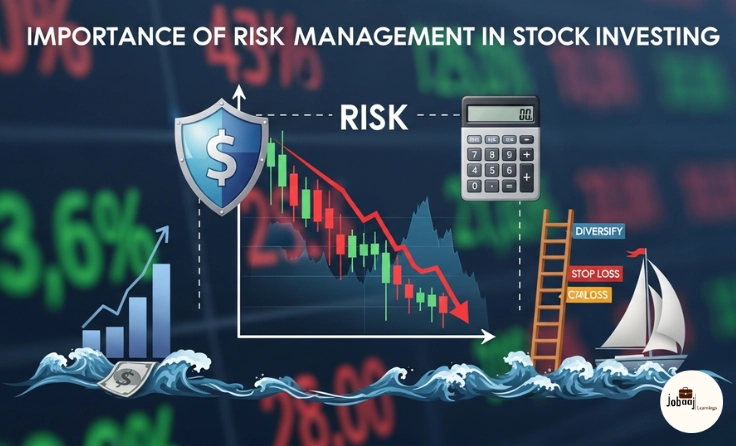
Diversification is one of the smartest and most effective ways to protect your investments and build long-term wealth. It’s about spreading your investments across a variety of assets to reduce risk and increase your chances of earning steady returns. In this blog, we’ll explore why diversification is crucial for your investment strategy and how it can help safeguard your portfolio against market volatility.
What is Diversification?
Diversification means not putting all your money into one investment or type of asset. Instead, you spread it across different asset classes like stocks, bonds, real estate, gold, and other commodities. The idea behind this strategy is simple: different investments react differently to market events. When one investment underperforms, others might be performing better, balancing out the risk and potentially improving overall returns.
If you only invest in one stock and that stock drops in value, you risk losing a significant portion of your portfolio. However, if you have your money spread across different stocks, bonds, and other assets, the poor performance of one investment won’t affect your entire portfolio as much. Diversifying ensures that the risk is spread out and that the impact of a bad investment is less severe.
Why is Diversification So Important?
1. Reduces Risk
The most significant benefit of diversification is that it helps reduce risk. When you spread your investments across different types of assets, industries, and regions, you lower the impact of a single investment’s poor performance.
-
Example: If you have all your money in the stock market and there’s a market downturn, your entire portfolio could suffer. But if some of your money is invested in bonds, real estate, or even gold, those assets might not be affected as much by the downturn. This helps balance out the risks.
Diversification doesn’t eliminate risk entirely, but it significantly reduces the chances of a significant loss in your portfolio.
2. Improves Potential for Returns
While diversification helps reduce risk, it doesn’t mean you have to settle for low returns. A well-diversified portfolio can provide more stable, consistent growth over time. By spreading your investments across different asset classes, you can capture opportunities in various sectors and markets.
-
Example: During a period of market volatility, the value of stocks may fall, but other investments like bonds or real estate might rise. By having a diversified portfolio, you can benefit from the growth of different assets, which can improve your overall returns.
Diversifying allows you to take advantage of growth opportunities in different areas while managing the risks that come with investing in any one asset class.
3. Provides Stability During Market Volatility
Market volatility is one of the biggest challenges in investing. Financial markets are unpredictable, and values fluctuate regularly. By diversifying your investments, you create a portfolio that can withstand market swings and help you stay on course during uncertain times.
-
Example: In times of economic uncertainty or during financial crises, stocks may decline, but investments in gold or real estate could remain stable or even increase in value. Diversifying your portfolio with assets that don’t all move in the same direction helps protect your investments during periods of market turbulence.
Diversification offers stability by spreading risk and providing assets that can perform well even when others are struggling.
4. Helps You Achieve Long-Term Goals
Investing is a long-term game, and diversification is a key part of that strategy. A diversified portfolio gives you the chance to grow your wealth over time by balancing investments that grow at different rates and offer various levels of risk.
-
Example: If you’re saving for retirement, a diversified portfolio that includes a mix of stocks, bonds, and real estate can help you achieve steady, long-term growth while managing short-term volatility.
Diversifying helps you stay focused on your long-term goals while allowing your investments to perform well in different market conditions.
How to Diversify Your Investment Portfolio
Now that we understand why diversification is so important, let’s discuss how you can diversify your portfolio effectively:
1. Invest in Different Asset Classes
Start by spreading your investments across various asset classes. Some of the most common asset classes include:
-
Stocks: Equity investments in companies offer the potential for high returns but come with higher risk.
-
Bonds: Bonds are generally safer investments that offer lower, steady returns.
-
Real Estate: Investing in property or real estate investment trusts (REITs) adds another layer of stability to your portfolio.
-
Commodities (like Gold): Precious metals like gold often act as a hedge against inflation and market volatility.
-
Cash and Cash Equivalents: Keeping some of your portfolio in cash or money market funds provides liquidity and security during uncertain times.
By spreading your investments across these asset classes, you ensure that you’re not overly dependent on the performance of one particular type of investment.
2. Invest Across Different Industries
It’s also important to ensure your portfolio is diversified across different industries. While you might be confident about the future of technology stocks, you shouldn’t ignore other sectors like healthcare, energy, or consumer goods. Each industry performs differently under various market conditions, and diversification across industries helps you reduce sector-specific risks.
3. Consider International Diversification
Geographic diversification involves investing in markets outside your home country. Global exposure can provide additional stability, especially if your local market is underperforming or facing economic challenges.
-
Example: If you live in India and the local stock market is down, your investments in foreign markets may help offset those losses. You can gain exposure to international stocks, bonds, or real estate through mutual funds, exchange-traded funds (ETFs), or direct investments.
Investing internationally allows you to benefit from growth in other economies while spreading your risk across regions.
Common Diversification Mistakes to Avoid
While diversification is crucial, there are a few common mistakes that investors often make:
-
Over-Diversification: Having too many different investments can lead to dilution of returns. It's important to focus on quality over quantity and ensure your portfolio remains well-balanced.
-
Under-Diversification: Investing too heavily in one asset class, like stocks, leaves you vulnerable to market volatility. Make sure your portfolio is spread across different asset classes and industries to manage risk.
-
Neglecting Regular Rebalancing: Your portfolio may shift over time, and the balance between your investments might no longer match your risk tolerance. Regularly reviewing and rebalancing your portfolio ensures it stays aligned with your financial goals.
Conclusion
Diversification is one of the most powerful tools for managing risk and achieving long-term financial success. By spreading your investments across various asset classes, industries, and regions, you can protect your portfolio from unexpected downturns while positioning it for consistent growth.
Remember, the key to successful diversification is balance. You don’t need to invest in everything, but having a thoughtful mix of assets will give you the best chance of thriving in different market conditions. So, start diversifying today to build a more resilient and rewarding investment portfolio for your future.
Dreaming of a Finance career? Start with Investment Banking Certification with Jobaaj Learnings.
Frequently asked questions
What is diversification in investing?
Diversification in investing refers to spreading your investments across different asset classes, industries, and geographical regions to reduce risk and increase the potential for stable returns over time.
Why is diversification important for my investment portfolio?
Diversification helps reduce risk by ensuring that your investments aren’t all dependent on the performance of one asset or sector. It also provides opportunities for returns across various markets and economic conditions.
How can I diversify my portfolio with stocks?
You can diversify your stock investments by buying shares from different sectors, such as healthcare, technology, finance, and energy. You can also invest in exchange-traded funds (ETFs) or mutual funds for broad exposure.
How often should I rebalance my diversified portfolio?
It’s a good idea to review and rebalance your portfolio at least once a year. This ensures that your investments are still in line with your financial goals and risk tolerance.
What are the risks of over-diversifying my portfolio?
Over-diversification can lead to diminishing returns because you may own too many low-performing assets. It’s important to strike the right balance between diversification and focus.
Can diversification help in volatile markets?
Yes, diversification can help in volatile markets by spreading risk across multiple asset classes. If one sector or asset is performing poorly, others may offset the losses, keeping your overall portfolio stable.

Join 5,00,000+ Subscribers
Be a part of our ever growing community.