Categories








































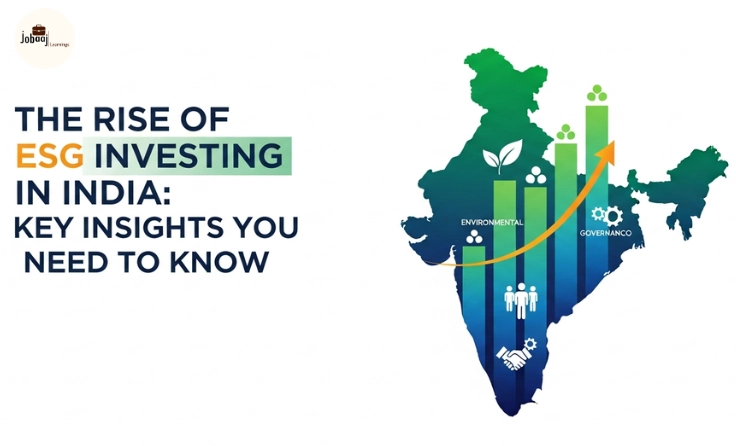
We’ve all heard about the growing importance of sustainability. Whether it’s through conversations at work, social media posts, or news reports about the state of our planet, Environmental, Social, and Governance (ESG) investing is no longer just a buzzword — it’s the future of investing, and it’s gaining serious momentum in India.
Exploring a career in Investment Banking? Apply now!
In simple terms, ESG investing means putting your money into companies that are doing good for the environment, supporting social causes, and maintaining strong, ethical governance. These aren’t just about making good choices for the planet or being “socially responsible,” though they are important. ESG investing is increasingly proving that doing good can also lead to doing well financially.
So, why is ESG investing making waves in India right now? And what does it mean for you as an investor or someone who's just beginning to explore the world of finance? Let’s break it down in a way that’s easy to understand.
What is ESG Investing? Let’s Break It Down
Imagine investing in a company that not only makes profits but also does its part in preserving the environment, treats its employees fairly, and is transparent in how it operates. That’s ESG investing. It involves three main aspects:
-
Environmental: How much is the company doing to reduce its carbon footprint? Are they committed to using sustainable energy? Is the company investing in green technologies or looking for ways to minimize waste?
-
Social: Does the company treat its employees well? Is it contributing to the community? Does it promote diversity, fair wages, and human rights?
-
Governance: Does the company have strong leadership? Is it transparent in its decision-making? Are there checks and balances to avoid corruption?
At the heart of it, ESG investing is about aligning your investments with your values. It’s about supporting companies that are making a positive difference in the world, rather than just focusing on profits. And now, more than ever, people want to invest in companies that reflect their beliefs and priorities.
Why Is ESG Investing Growing in India?
India is at a pivotal moment. It’s one of the fastest-growing economies in the world, but it’s also facing some serious challenges — from climate change to social inequality. The good news? The rise of ESG investing means that there’s a growing push to tackle these challenges in a responsible way.
-
Government Support: India’s regulatory bodies, like SEBI (Securities and Exchange Board of India), have been stepping up by encouraging companies to adopt more sustainable business practices. This includes introducing mandatory ESG disclosures for listed companies. This helps investors get a clearer picture of how companies are performing when it comes to sustainability and ethics.
-
Corporate Leadership: Big Indian companies like Tata Group, Wipro, and Infosys have started to embrace ESG principles in a major way. They’re taking steps to reduce emissions, improve their employee welfare, and show transparency in their governance. This trend is encouraging other companies to follow suit, proving that businesses can be profitable while being socially responsible.
-
Global Influence: With global investors looking for sustainable options, India’s market has become an attractive destination for ESG-driven investments. Green funds, renewable energy projects, and clean tech startups are now seen as high-growth sectors in India, attracting international investors who want to align their portfolios with global sustainability trends.
The Benefits of ESG Investing: It’s More Than Just Doing Good
Here’s the thing — ESG investing isn’t just for tree-huggers. Yes, it’s about doing your part for the environment, society, and good governance, but it’s also a smart financial move. Why? Because companies that prioritize ESG principles often outperform their competitors over the long term.
-
Long-Term Stability: Companies with strong ESG scores tend to manage risks better and are more likely to perform consistently over time. They’re focused on sustainability, not just short-term profits, which makes them more resilient to economic downturns.
-
Better Returns: Studies have shown that ESG-compliant companies often provide better financial returns than companies with poor sustainability practices. So when you invest in ESG stocks, you're not just being socially responsible — you're positioning yourself for potential long-term gains.
How Can You Invest in ESG in India?
If you’re ready to dive into ESG investing in India, there are several ways to do it:
-
ESG Mutual Funds: One of the simplest ways to start is by investing in mutual funds that focus on ESG-compliant companies. These funds pool money from investors to invest in companies that meet ESG criteria. Funds like Nippon India ESG Fund and ICICI Prudential ESG Fund are great starting points for Indian investors.
-
Green Bonds: If you’re looking for a more specific option, consider green bonds — a form of debt investment used to finance environmentally sustainable projects like renewable energy, clean water, and waste management. Green bonds are growing in popularity in India as corporate India shifts towards greener projects.
-
Direct Stock Investments: For those who want more control over their investments, you can buy stocks in ESG-compliant companies directly. Look for companies like Hindustan Unilever, Tata Motors, and Infosys — all of which have strong ESG practices.
-
ESG ETFs: Another option is Exchange-Traded Funds (ETFs) that focus on ESG investing. These ETFs track the performance of a basket of ESG-compliant companies, allowing you to invest in a diverse set of stocks while adhering to sustainability principles.
The Challenges of ESG Investing in India
While ESG investing is on the rise, it’s not without its challenges:
-
Lack of Standardized Metrics: There’s still no universal framework for evaluating ESG performance, which means that different investors may assess companies differently. The lack of standardized metrics can make it difficult for investors to make apples-to-apples comparisons.
-
Awareness: Many retail investors are still not fully aware of what ESG investing means and how to implement it into their portfolios. Educating the public is crucial to building momentum for sustainable finance in India.
-
Price Premium: Some ESG-compliant stocks and funds tend to have a price premium compared to their non-ESG counterparts, which can turn off investors looking for quick returns.
Looking Ahead: The Future of ESG Investing in India
The future of ESG investing in India is bright. With regulatory support, increasing investor interest, and corporate momentum, India is poised to become a global leader in sustainable finance. Investors who adopt ESG principles early could see not only financial rewards but also contribute to the long-term well-being of the planet and its people.
For those ready to invest, ESG is no longer just a trend it’s a way to align your financial goals with your values. As more Indians adopt sustainable investment strategies, ESG investing will not only become a financial imperative but also a way to build a better future for all.
Dreaming of a Finance career? Start with Investment Banking Certification with Jobaaj Learnings.
Frequently asked questions
What is ESG investing?
ESG investing refers to the practice of investing in companies that prioritize environmental sustainability, social responsibility, and good governance practices.
Why is ESG investing growing in India?
The rise of ESG investing in India is driven by government support, corporate responsibility, and a growing awareness of sustainability among investors.
How can I invest in ESG in India?
You can invest in ESG through mutual funds, green bonds, direct stock investments, and exchange-traded funds (ETFs) that focus on sustainable companies.
Is ESG investing profitable?
Yes, research shows that companies with strong ESG practices tend to deliver better financial returns over the long term.
What are some popular ESG funds in India?
Popular ESG funds in India include Nippon India ESG Fund, ICICI Prudential ESG Fund, and SBI Magnum Global Fund.

Join 5,00,000+ Subscribers
Be a part of our ever growing community.