Categories














/content/learnings/assets/header/ManagementConsulting.svg)
/content/learnings/assets/header/InvestmentBanking.svg)


























/content/learnings/assets/header/programs/1.png)
/content/learnings/assets/header/programs/4.png)

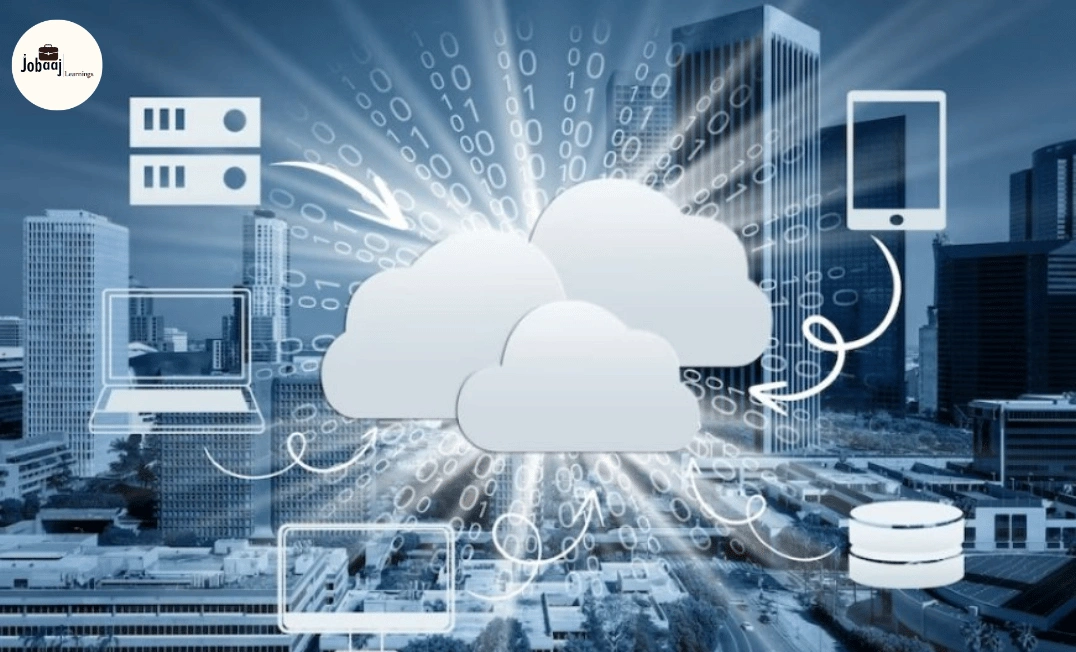
As cloud computing becomes the backbone of modern IT infrastructure, monitoring cloud resources is essential to ensure optimal performance, cost efficiency, and security. With businesses relying on cloud services for everything from data storage to application hosting, maintaining the health of these resources is paramount.
Exploring a career in Web Development? Apply now!
In this blog, we’ll explore some of the best tools for monitoring cloud resources, how they work, and how they can help improve the performance and reliability of your cloud infrastructure. Whether you're a developer, cloud architect, or a business owner managing cloud services, this guide will help you choose the right tools to ensure your cloud environment is running smoothly.
Why Is Monitoring Cloud Resources Important?
Monitoring cloud resources helps you ensure that your cloud environment is performing optimally and that potential issues are detected before they cause downtime or performance degradation. Without proper monitoring, businesses risk:
- Over-provisioning: Paying for resources that aren’t being fully used.
- Under-provisioning: Experiencing slow performance or outages when cloud resources are insufficient.
- Security risks: Unmonitored cloud environments may have vulnerabilities that are exploited.
Effective monitoring also helps you optimize costs, improve security, and ensure your cloud infrastructure scales efficiently as your business grows.
Key Metrics to Monitor in the Cloud
Before diving into the tools, it's essential to understand the key metrics that should be monitored:
- CPU Usage: High CPU utilization can indicate that an instance is under heavy load, potentially causing performance issues.
- Memory Usage: Excessive memory usage may result in system slowdowns or crashes.
- Disk I/O: High disk read/write rates can affect the performance of your cloud application.
- Network Latency: High latency can cause delays in user interaction and application response times.
- Uptime and Availability: Monitoring uptime ensures that your services are running as expected, minimizing downtime.
- Resource Scaling: Monitoring when and how resources are scaling (up or down) ensures that the infrastructure is adapting to changes in traffic.
Now that we know what to monitor, let’s explore the top tools available for cloud resource monitoring.
Top Tools for Monitoring Cloud Resources
1. AWS CloudWatch
AWS CloudWatch is one of the most widely used monitoring services for AWS environments. It provides real-time monitoring for your AWS resources and applications, offering a range of metrics such as CPU utilization, disk activity, network traffic, and more.
Key Features:
- Real-time resource monitoring for all AWS services.
- Automated alarms based on custom metrics.
- Integration with AWS Lambda for automated responses to events.
- Logs management to track system events and troubleshoot issues.
CloudWatch helps AWS users optimize their environment by setting up alarms for specific thresholds, like CPU or memory usage, and automatically adjusting resources or notifying administrators when action is needed.
2. Google Cloud Operations Suite
The Google Cloud Operations Suite (formerly known as Stackdriver) provides comprehensive monitoring, logging, and diagnostics for applications running on Google Cloud, AWS, and hybrid environments. It integrates well with other Google Cloud services and provides deep insights into performance and health.
Key Features:
- Unified monitoring across multiple cloud platforms.
- Real-time log aggregation and visualization.
- Automatic error reporting for your applications.
- Custom dashboards to display critical metrics.
Google Cloud Operations Suite makes it easier for businesses using Google Cloud (and other platforms) to monitor and analyze cloud resource health and performance in real-time, without needing multiple separate tools.
3. Azure Monitor
Azure Monitor is a comprehensive monitoring solution for applications and resources running on Microsoft Azure. It provides detailed insights into performance, availability, and resource utilization.
Key Features:
- Application Insights to monitor the performance of applications.
- Infrastructure monitoring for virtual machines, networks, and storage.
- Alerts and notifications based on customizable metrics.
- Deep integration with Azure services like Azure Log Analytics.
Azure Monitor helps users keep their Azure resources in check, improving the overall reliability of applications and services, and helping prevent resource overloads by providing real-time alerts.
4. Datadog
Datadog is a cloud-based monitoring and analytics platform that offers real-time visibility into cloud infrastructure, applications, and logs. It supports a wide range of cloud platforms, including AWS, Azure, and Google Cloud.
Key Features:
- Infrastructure monitoring with a focus on cloud environments.
- Application performance monitoring (APM) to track end-to-end application performance.
- Integration with cloud providers and containerized environments like Kubernetes.
- Customizable dashboards and alerting capabilities.
Datadog’s strong integration with a variety of cloud environments and services makes it a great choice for businesses with complex cloud infrastructure, ensuring real-time visibility into performance, availability, and anomalies.
5. New Relic
New Relic is a full-stack monitoring tool designed for modern cloud environments. It helps businesses understand the performance of their infrastructure, applications, and user experiences. New Relic integrates with multiple cloud services and provides in-depth insights into how systems interact with each other.
Key Features:
- Real-time performance monitoring for both applications and infrastructure.
- In-depth application performance monitoring (APM) to trace errors and performance bottlenecks.
- Integration with multiple cloud platforms, including AWS, Google Cloud, and Microsoft Azure.
- User experience monitoring for web and mobile apps.
New Relic is designed for businesses that need detailed insights into the health of their applications and infrastructure, making it an excellent choice for organizations that are focusing on optimizing performance and user experience.
6. Prometheus + Grafana
Prometheus is an open-source monitoring tool designed for time-series data and metrics collection. It works well with Grafana, a powerful visualization tool that allows users to create detailed, customizable dashboards for visualizing cloud resource data.
Key Features:
- Time-series data collection for metrics monitoring.
- Alerting system to notify administrators of critical issues.
- Grafana integration for interactive, real-time dashboards.
- Highly suitable for containerized environments like Kubernetes.
Prometheus and Grafana are a powerful, open-source combination that provides deep insights into the health of cloud resources, especially for businesses running in containerized environments like Kubernetes.
7. Zabbix
Zabbix is an open-source monitoring tool that provides comprehensive monitoring for a wide range of IT resources, including cloud infrastructure, virtual machines, and applications. It helps monitor cloud servers, network devices, and services to ensure everything is running smoothly.
Key Features:
- Customizable monitoring for servers, cloud resources, and applications.
- Provides real-time alerts based on pre-defined thresholds.
- Visualized dashboards for easy monitoring and analysis.
- Supports monitoring of cloud environments like AWS, Azure, and Google Cloud.
Zabbix is great for businesses looking for an open-source solution to monitor their cloud infrastructure. It provides a customizable and scalable monitoring framework to ensure uptime and performance, all while remaining cost-effective.
8. CloudHealth by VMware
CloudHealth is a comprehensive cloud management platform designed to help organizations monitor, manage, and optimize their cloud costs and usage. It provides an array of features like cost management, security monitoring, and resource utilization tracking, all aimed at ensuring cloud efficiency.
Key Features:
- Cost management and optimization tools to keep cloud spending in check.
- Performance monitoring for all cloud services.
- Security monitoring to identify vulnerabilities and optimize compliance.
- Deep integration with AWS, Azure, and Google Cloud.
CloudHealth is a robust solution for businesses that are looking to optimize their cloud spending while ensuring performance and security are maintained. It's particularly useful for organizations that are heavily invested in multi-cloud environments.
9. Pingdom
Pingdom specializes in monitoring the availability and performance of websites, web applications, and cloud services. It helps organizations ensure that their services are always up and responsive by providing real-time data about website performance, downtime, and latency.
Key Features:
- Website uptime monitoring to track when your website is down or experiencing performance issues.
- Real-time alerts via email, SMS, or third-party integrations when issues are detected.
- Performance reports showing how fast your website or application is running.
- Supports monitoring of cloud-hosted websites and services.
Pingdom is an excellent tool for businesses that rely heavily on web applications or websites. It allows companies to quickly identify downtime and performance bottlenecks, helping prevent poor user experiences and potential revenue loss.
10. AppDynamics
AppDynamics, a part of Cisco, is a monitoring solution focused on application performance management (APM). It helps businesses monitor cloud applications, track user interactions, and measure real-time performance to ensure applications are delivering a smooth experience.
Key Features:
- Application performance monitoring to track issues and latency in real time.
- End-to-end monitoring for cloud infrastructure and services.
- Business transaction monitoring to track user interactions and key application flows.
- Integrates with AWS, Azure, and Google Cloud to monitor cloud-based apps.
AppDynamics is great for businesses looking to monitor application performance and improve user experience. It’s particularly valuable for companies that rely on high-traffic web applications and need to ensure optimal performance across the entire application lifecycle.
Conclusion
These tools provide a comprehensive solution to monitor various aspects of your cloud infrastructure, applications, and services. Whether you're looking to optimize performance, ensure security, track costs, or improve uptime, there is a cloud monitoring tool that fits your needs.
Choosing the right monitoring tool depends on your business goals, the complexity of your cloud infrastructure, and the specific features you require. Start by considering the tools listed in this blog to find the best fit for your cloud environment, ensuring that you maximize uptime and minimize issues as your business grows.
Dreaming of a Web Development Career? Start with Web Development Certificate with Jobaaj Learnings.
Frequently asked questions
What is cloud monitoring?
Cloud monitoring refers to the process of continuously observing the performance, availability, and health of cloud resources like servers, databases, and applications. It ensures that your cloud environment runs efficiently and securely.
Why is monitoring cloud resources important?
Cloud resource monitoring helps businesses track key performance metrics, identify issues early, and prevent outages. It ensures that cloud infrastructure remains available, scalable, and secure at all times.
What are the most popular cloud monitoring tools?
Popular cloud monitoring tools include AWS CloudWatch, Datadog, Prometheus + Grafana, Google Cloud Operations Suite, and New Relic. Each tool has its strengths and caters to different types of cloud environments.
How do I choose the right cloud monitoring tool for my business?
To choose the right cloud monitoring tool, consider factors like your cloud provider, infrastructure complexity, budget, and specific needs (e.g., real-time performance tracking, security alerts, etc.).
Can I monitor multiple cloud platforms with one tool?
Yes, many cloud monitoring tools like Datadog and Google Cloud Operations Suite offer integrations that allow you to monitor multiple cloud platforms (e.g., AWS, Google Cloud, Azure) from a single dashboard.

Join 5,00,000+ Subscribers
Be a part of our ever growing community.