Categories














/content/learnings/assets/header/ManagementConsulting.svg)
/content/learnings/assets/header/InvestmentBanking.svg)


























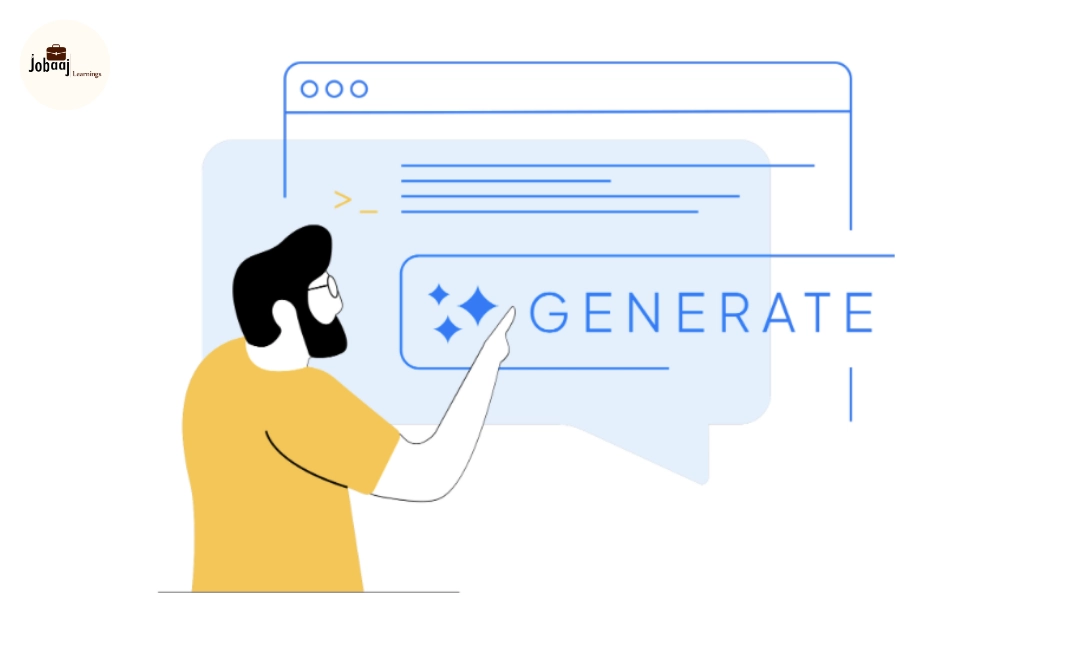
Artificial Intelligence (AI) is transforming industries, from healthcare to entertainment, and it’s no surprise that more and more people are eager to get involved in this exciting field. But with so many tools available, it can be overwhelming to know where to start. In 2026, one of the best ways to dive into AI is through generative AI tools. These tools not only help you understand the core concepts of AI but also allow you to experiment, create, and learn in a hands-on way. The best part? Many of these tools are free, making AI more accessible than ever before.
Curious about Generative AI? Apply Now and Explore the Future of AI with Jobaaj Learnings!
In this blog, we’ll explore the top 10 free generative AI tools that will help you kickstart your AI learning journey.
1. OpenAI's GPT-3 Playground
OpenAI’s GPT-3 is a cutting-edge language model that can generate human-like text, making it ideal for learning and exploring AI’s capabilities. The GPT-3 Playground is a web-based tool where you can experiment with AI text generation, create chatbots, write essays, and much more.
It’s free for experimentation and provides an excellent opportunity to see how AI can generate natural-sounding text, respond to questions, and even create stories or articles.
Beginners who want to explore natural language processing (NLP) and text-based AI models.
2. Runway ML
Runway ML is a versatile creative toolkit for artists and developers, allowing you to integrate AI into various creative processes. Runway ML provides powerful generative models for text, images, and videos.
It offers free access to several generative AI models, making it easy for users to explore machine learning in creative fields. It also has a user-friendly interface that doesn’t require coding experience.
Artists, designers, and creators who want to experiment with AI in visual arts, video editing, and animation.
3. DeepArt.io
DeepArt.io is a free tool that uses AI to turn photos into artworks. Using neural networks, it generates artistic styles based on famous artists or user preferences.
It allows users to understand how AI models work in the realm of art generation, enabling learners to experiment with style transfer and image manipulation techniques.
People interested in visual arts and those learning about how AI can generate and transform images.
4. Google Colab
Google Colab is a free cloud service that provides an interactive environment for coding and experimenting with Python, especially useful for learning AI and machine learning. It comes with pre-installed libraries such as TensorFlow, Keras, and PyTorch, making it a great tool for hands-on AI experiments.
Google Colab allows users to write and execute Python code in the browser, making it easy to run AI algorithms without worrying about local setup or processing power.
Learners looking to dive deeper into machine learning, AI models, and Python programming.
5. DALL·E 2 by OpenAI
DALL·E 2 is an AI model developed by OpenAI that generates images from text prompts. It allows you to create unique, imaginative images based on specific descriptions, making it perfect for exploring the potential of AI in image generation.
The DALL·E tool is free to use with limited credits and provides an accessible introduction to the world of image generation through AI.
Anyone interested in learning how generative AI can create images, especially for design, art, and marketing purposes.
6. Hugging Face
Hugging Face offers a collection of pre-trained models and tools for natural language processing (NLP) and machine learning. They provide free access to various models that can generate text, translate languages, answer questions, and more.
Hugging Face is known for its user-friendly interface and vast library of models. It’s a great resource for those wanting to dive into NLP and text generation.
Learners and developers who want to explore AI models for NLP applications, like chatbots, sentiment analysis, and content generation.
7. Artbreeder
Artbreeder is a collaborative platform for generating images using generative adversarial networks (GANs). Users can create and modify images based on pre-existing templates or start from scratch.
It’s free to use and provides an easy introduction to GANs, one of the most powerful techniques in generative AI. It’s fun, easy to use, and offers a hands-on way to explore how AI can create visual content.
Artists, graphic designers, and anyone interested in visual arts or creative exploration with AI.
8. TensorFlow
TensorFlow is an open-source machine learning library developed by Google. It’s used for building and training AI models, including deep learning models, and is widely used in research and production.
TensorFlow offers a free learning platform with access to a variety of tutorials and examples. It’s a highly scalable tool that can be used for everything from simple models to complex AI systems.
Learners and developers looking to build deep learning models and explore the more technical aspects of AI.
9. Google AutoML
Google’s AutoML platform allows users to build custom machine learning models with minimal coding. It provides a simplified user interface for training and deploying models, making AI more accessible to non-experts.
Google AutoML is free to try and offers a hands-on introduction to machine learning for those who want to experiment with AI but don’t have coding experience.
Beginners and intermediate learners who want to dive into AI without needing to master complex coding skills.
10. Deep Dream Generator
Deep Dream Generator is an online tool that uses deep learning to generate surreal images. By uploading photos, users can apply a variety of AI-generated effects to transform their images into psychedelic, dream-like artwork.
It’s a fun and interactive way to experiment with AI-generated visuals and understand how deep learning models can alter images in creative ways.
Artists and anyone looking to experiment with AI in visual arts, especially those interested in learning about image manipulation.
Conclusion
Generative AI tools provide an amazing opportunity for learners, creatives, and developers to explore new frontiers of AI technology. Whether you’re interested in text generation, image creation, or deep learning, there’s a free tool out there for you to experiment with. These tools are helping democratize AI and making it more accessible to a broader audience.
In 2026, the future of generative AI is brighter than ever, with more tools becoming available for free. By exploring these platforms, you can unlock your potential and start building your skills in artificial intelligence today!
Ready to Dive into the World of Generative AI? Start your journey with the Generative AI Program from Jobaaj Learnings!
Frequently asked questions
What is Generative AI?
Generative AI refers to a branch of artificial intelligence that involves creating new content, such as text, images, music, and even videos, based on learned patterns from existing data. These models can generate realistic content, making them valuable tools for creative professionals and developers alike.
Which is the best free generative AI tool for beginners?
There are several great options for beginners, but some of the best free generative AI tools include OpenAI's GPT-3 Playground for text generation, Artbreeder for image generation, and Hugging Face for natural language processing. These tools are user-friendly and provide excellent learning opportunities for new users.
Can I create my own generative AI model with these tools?
Yes, many of these tools, such as TensorFlow and Google AutoML, allow you to create and train your own generative AI models. These platforms often come with tutorials and examples to help you get started, making it easier for beginners to dive into the world of AI development.
How do I get started with generative AI if I have no prior experience?
If you're new to AI, start with user-friendly platforms like RunwayML, DeepArt.io, and Hugging Face. These tools provide easy-to-follow interfaces and tutorials that guide you through the process of generating content. Once you're comfortable, you can explore more advanced platforms like TensorFlow and PyTorch to deepen your knowledge.

Join 5,00,000+ Subscribers
Be a part of our ever growing community.