Categories














/content/learnings/assets/header/ManagementConsulting.svg)
/content/learnings/assets/header/InvestmentBanking.svg)


























/content/learnings/assets/header/programs/1.png)
/content/learnings/assets/header/programs/4.png)

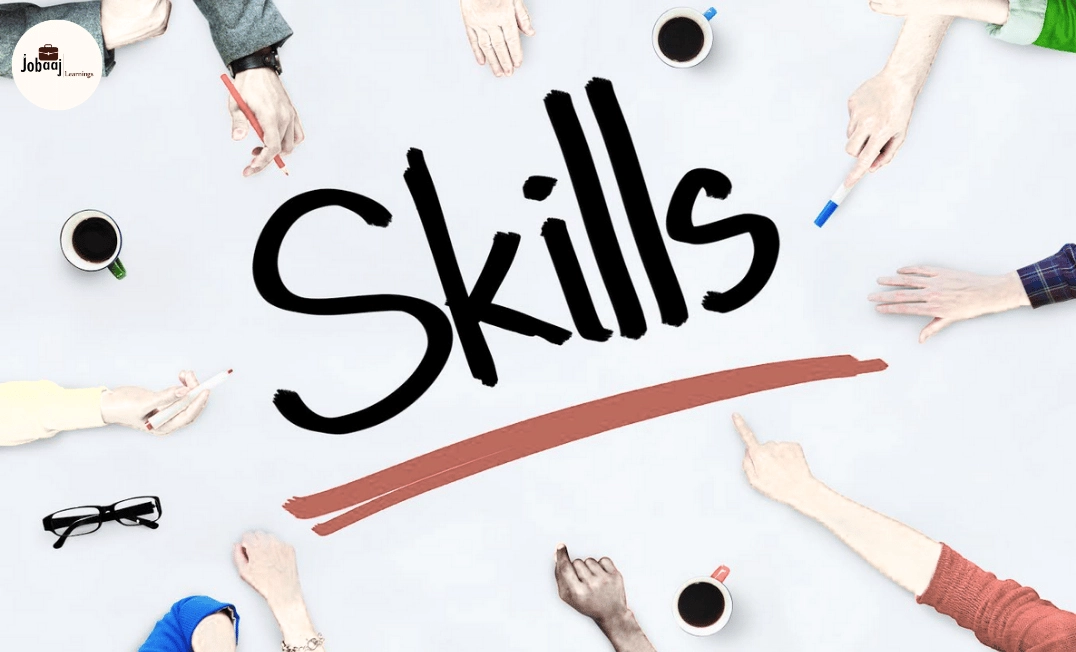
The professional landscape is changing faster than ever. Automation, AI, and global digitalization are reshaping how companies operate. In this environment, future-proof careers aren’t just about degrees they’re about skills. Professionals who develop in-demand, adaptable, and resilient skills are better positioned to thrive.
This guide highlights the top 10 skills that will make your career resilient and valuable in 2026, along with practical ways to acquire them.
1. Digital Literacy & Tech Fluency
- Understanding digital tools, software, and platforms is essential across industries.
- Familiarity with cloud platforms, collaboration tools, and emerging tech (AI, IoT, blockchain) will differentiate candidates.
- Explore online courses in cloud computing, automation tools, and AI fundamentals.
2. Data Analysis & Interpretation
- Data drives modern decisions. Professionals must extract insights, analyze trends, and communicate findings effectively.
- Tools: Excel, Power BI, Tableau, SQL, Python (pandas/numpy).
- Work on real datasets or projects to demonstrate your ability to interpret data.
3. Critical Thinking & Problem-Solving
- Employers value people who can analyze situations, anticipate challenges, and propose solutions.
- Frameworks: Root cause analysis, SWOT, hypothesis-driven problem solving.
- Practice solving case studies or scenario-based problems in your domain.
4. Adaptability & Learning Agility
- The ability to quickly learn new skills, adapt to changing environments, and pivot roles is vital.
- Take micro-courses, cross-train in adjacent roles, or volunteer for projects outside your expertise.
5. Communication & Storytelling
- Clear written and verbal communication is critical for sharing ideas, influencing stakeholders, and presenting insights.
- Storytelling helps in explaining complex ideas with clarity.
- Practice presentations, create reports, or contribute to blogs to enhance communication skills.
6. Emotional Intelligence & Collaboration
- High EI allows professionals to navigate workplace dynamics, manage conflicts, and foster teamwork.
- Collaborative skills are essential in cross-functional and remote teams.
- Participate in team projects, seek feedback, and observe interpersonal dynamics.
7. Leadership & Decision-Making
- Future careers reward individuals who can take ownership, make informed decisions, and inspire teams.
- Includes influencing without authority and strategic thinking.
- Lead small projects, mentor juniors, or take responsibility in volunteer initiatives.
8. Creativity & Innovation
- Creative thinking fuels new ideas, products, and solutions, helping organizations stay competitive.
- Engage in brainstorming exercises, design thinking workshops, or side projects that require novel solutions.
9. Digital Marketing & Customer-Centric Skills
- Even non-marketing roles benefit from understanding customer needs, digital channels, and engagement strategies.
- Skills: SEO, social media, analytics, branding, and user experience.
- Run a small blog, social media project, or analytics experiment to practice.
10. Financial Literacy & Business Acumen
- Understanding financial metrics, budgeting, and ROI is key for strategic decision-making across roles.
- Skills: P&L basics, cost-benefit analysis, KPIs, investment understanding.
- Take introductory finance or accounting courses, even online, and apply to personal or project budgets.
How to Acquire These Skills
- Online Learning: Platforms like Coursera, LinkedIn Learning, Jobaaj Learnings, or Udemy.
- Practical Projects: Apply skills in personal projects, internships, or volunteering.
- Mentorship & Networking: Learn from industry experts and peers.
- Continuous Feedback: Regularly evaluate your skill application and improve.
Conclusion
Future-proof careers require a combination of technical, analytical, and interpersonal skills. By developing digital fluency, critical thinking, adaptability, and leadership, professionals can stay relevant, advance in their careers, and thrive in rapidly evolving industries.
The key is not just learning skills but practicing, applying, and continually upgrading them.
Frequently asked questions
Why are future-proof skills important?
Future-proof skills help professionals stay relevant, adapt to technological changes, and advance in a rapidly evolving job market.
Which skills are most in demand in 2026?
Digital literacy, data analysis, critical thinking, adaptability, communication, emotional intelligence, leadership, creativity, digital marketing, and financial literacy are among the top skills.
How can I develop these skills?
Use online learning platforms, practice through projects, seek mentorship, and continuously apply and refine skills in real-world scenarios.
Are soft skills as important as technical skills?
Yes, emotional intelligence, communication, leadership, and collaboration are critical alongside technical skills for career growth and effectiveness.
Can these skills be learned outside formal education?
Absolutely. Online courses, workshops, projects, internships, and self-directed learning are effective ways to acquire these skills.

Join 5,00,000+ Subscribers
Be a part of our ever growing community.