Categories








































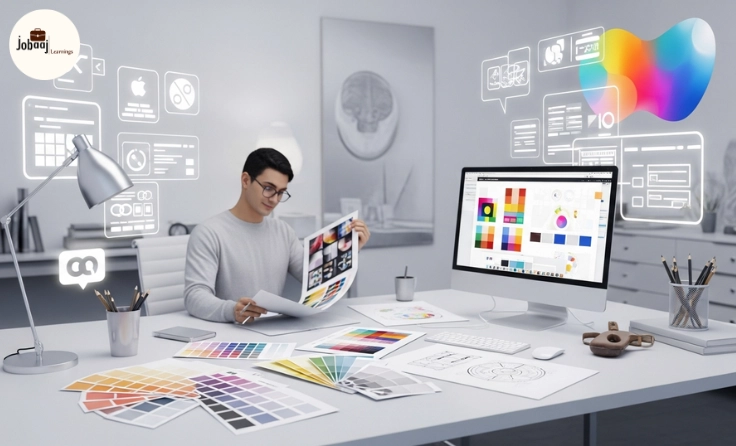
If you’ve ever dreamt of designing for a company like Apple, you’re not alone. With its legendary design philosophy, Apple has become synonymous with sleek, innovative, and user-centric products. But getting your foot in the door as a graphic designer at Apple is no easy task. The interview process is as challenging as it is rewarding, and it’s designed to push your creative thinking to its limits.
As a graphic designer, you’re not just a creator of visuals—you’re a problem solver, a collaborator, and someone who can turn abstract ideas into tangible design solutions. So, if you’re preparing for an Apple design interview, you need to be ready for a variety of questions that assess your design thinking, your ability to handle ambiguity, and your technical skills.
In this blog, we’ve compiled the 30 most commonly asked interview questions for graphic designers at Apple. These questions are designed to test your creativity, your process, and your ability to collaborate in one of the world’s most dynamic and innovative companies. Whether you’re a seasoned designer or just getting started, this guide will help you navigate the complexities of Apple’s interview process and give you the edge you need to succeed.
1. Can you walk us through your portfolio?
Your portfolio is the heart of your interview. It’s your chance to show Apple not only your best work but also how you think as a designer. When you answer this question, it’s important to go beyond simply showcasing your designs. Talk about the story behind each piece—what was the challenge, how did you approach the problem, and how did your design solution align with the objectives of the project? Explain your process, and how your designs speak to Apple’s commitment to simplicity and user experience.
2. How do you approach a design project from concept to completion?
Design is a journey, and Apple wants to know how you handle it from start to finish. It’s not just about the final product; they want to understand your creative process. Do you start with research and brainstorming? How do you refine your ideas into something tangible? Discuss how you go through the various stages—whether it’s sketching, prototyping, user testing, or gathering feedback—and how each step shapes the final design. Show that you not only have technical skills but also a strategic approach to design.
3. How do you stay inspired?
Creativity doesn’t always strike like lightning. Apple wants to know how you stay inspired and motivated, especially when deadlines loom large. Share how you continuously find inspiration, whether it’s from other designers, nature, art, or technology. Talk about how you keep your designs fresh and innovative by exposing yourself to new trends and ideas while still staying true to your design principles.
4. Can you describe a design problem you solved and how you approached it?
Problem-solving is at the core of design. Apple wants to know how you handle challenges and find creative solutions. Describe a specific design problem you faced and explain how you approached the problem, considering user needs, technical constraints, and business goals. Discuss how you turned a challenge into an opportunity to create something innovative and functional.
5. How do you ensure your designs are user-centered?
Apple is known for its user-centric design, and they want to know how you place the user at the center of your design decisions. Talk about the tools and methods you use to gather user feedback, such as user research, personas, and usability testing. Share an example of how you used this feedback to improve the user experience and deliver designs that are not only visually appealing but also highly functional.
6. What design tools do you use, and why?
In the world of graphic design, tools are essential, and Apple wants to know if you are comfortable with the latest design software. Talk about the design tools you’re most proficient in, like Adobe Creative Suite, Sketch, or Figma. Explain why you prefer certain tools for specific tasks—whether it’s vector-based designs, UI/UX design, or prototyping. Also, share how you adapt to new tools and technologies to stay ahead in the fast-paced design industry.
7. How do you approach collaboration with other teams (e.g., developers, product managers)?
Graphic design doesn’t exist in a vacuum. Apple values designers who can work well with other teams, especially engineering and product managers. Discuss your approach to cross-functional collaboration. How do you ensure that your designs are implemented correctly? How do you communicate your design ideas effectively to people with different skill sets? Talk about your experience working in teams and how you ensure everyone is aligned with the same product goals.
8. How do you handle design feedback, especially when it’s critical?
Design feedback can be tough, but it’s also an essential part of the process. Apple wants to know how you handle constructive criticism and feedback from stakeholders, clients, and team members. Explain how you listen to feedback, stay open-minded, and use it to improve your design. Share an example of a time you received critical feedback, how you handled it professionally, and how you used it to make your design better.
9. How do you balance creativity with brand guidelines?
Apple is known for its consistent brand image, and graphic designers are expected to create beautiful designs that align with the company’s established brand identity. Discuss how you balance creativity with adhering to brand guidelines. Talk about how you can still innovate and push boundaries while making sure your designs stay within the company’s brand values. Highlight how you translate a brand’s identity into visually cohesive and engaging designs.
10. Tell us about a time when you worked under a tight deadline. How did you manage it?
At Apple, things move quickly, and deadlines are often tight. This question tests how well you manage time under pressure. Share a story about a time you had to deliver a high-quality design under a short deadline. Discuss how you prioritize tasks, stay organized, and manage stress to meet deadlines. Show that you can deliver results without compromising on design quality.
11. What makes a great design?
At Apple, a “great design” is about more than just aesthetic beauty. It’s about functionality, simplicity, and the user experience. Discuss your definition of great design and what principles you believe make a design effective. Talk about how you balance creativity with practicality, ensuring that the design solves the user’s problem while still being visually engaging.
12. How do you approach responsive design?
With the rise of mobile devices, responsive design has become crucial. Apple wants to know how you ensure your designs work across various screen sizes and devices. Discuss your process for designing fluid layouts, adaptive images, and breakpoints. Share how you ensure consistency and usability regardless of the device, making sure the design looks great on desktop, tablet, and mobile.
13. How do you measure the success of your designs?
A good designer must know how to measure the effectiveness of their work. Explain how you use analytics, user feedback, and A/B testing to evaluate the success of your designs. Whether it’s looking at engagement metrics, conversion rates, or user retention, share how you use data to make sure your design is performing as expected.
14. What design trends do you think will dominate in the next 5 years?
Design is always evolving. Apple wants designers who are not only aware of current trends but can also anticipate the future. Share your thoughts on upcoming design trends, whether it’s minimalism, dark mode, motion design, voice interfaces, or augmented reality (AR). Show that you are always looking ahead and ready to adapt to emerging trends.
15. How do you approach designing for accessibility?
At Apple, accessibility is a priority, and designers are expected to create products that are usable by everyone, including those with disabilities. Explain how you consider accessibility in your design process. Discuss how you implement color contrast, screen reader compatibility, and keyboard navigation to make sure your designs are inclusive and meet accessibility standards.
16. Tell us about a time when you disagreed with a teammate about a design decision. How did you resolve it?
Working as a designer means you’ll often have differing opinions with team members. Apple wants to see how you handle conflict. Share a story of a time when you disagreed with a teammate about a design choice, how you listened to their perspective, and how you found a solution that aligned with both of your goals.
17. What’s your process for designing UI components (buttons, icons, etc.)?
Designing UI components is crucial for a seamless user experience. Apple will want to know how you approach designing individual components. Discuss how you create components that are not only visually appealing but also functional, intuitive, and easy to interact with.
18. How do you ensure consistency across design assets?
Consistency is key in maintaining a strong brand image. Share how you ensure consistency across design assets by creating design systems, using consistent typography, color schemes, and UI components. Explain how you collaborate with other designers and developers to maintain brand coherence.
19. How would you redesign the Apple website?
This is a creative challenge meant to assess your ability to think critically about existing designs and improve them. Discuss what you would change on the Apple website, keeping in mind its brand identity and user experience. Be sure to justify your recommendations with insights from user research or industry trends.
20. What’s the most important element of web design for you?
This question tests your design priorities. Is it usability, aesthetic appeal, or performance? Explain why you prioritize certain elements of design and how you balance them to create the best possible user experience.
21. How do you approach designing for mobile versus desktop?
Designing for mobile versus desktop is not the same. The constraints and possibilities on both platforms differ, and Apple wants to see how you adapt your designs accordingly. Mobile design often focuses on simplicity and clarity due to limited screen space, while desktop design can afford more space for complex layouts. Discuss how you consider aspects like touch vs. mouse interaction, screen size, and resolution when designing for these platforms. Apple looks for designers who can adapt their designs seamlessly across devices while maintaining a consistent user experience.
22. What is your process for creating UI design prototypes?
Prototyping is an essential step in translating design ideas into tangible experiences. Share how you create interactive prototypes to visualize the user journey. Talk about the tools you use, like Figma, Sketch, or InVision, and how these prototypes help you test and iterate design concepts before they reach the development stage. Explain how you involve stakeholders or users in the testing phase and how feedback shapes your final design decisions.
23. What makes Apple’s design different from other tech companies?
Apple is known for its innovative and elegant designs, and understanding what makes Apple’s design philosophy unique is critical for any designer aspiring to join the company. Discuss how simplicity, functionality, and attention to detail define Apple’s approach. Highlight how Apple’s design doesn’t just focus on aesthetics but also on creating intuitive user experiences. This question gives you the opportunity to show that you not only understand Apple’s design values but that you’re passionate about contributing to them.
24. How do you keep up with the latest trends in graphic design?
Design is an ever-evolving field, and staying updated with the latest trends is key for any designer. Apple values designers who are always learning and adapting. Talk about how you regularly engage with design resources, blogs, conferences, and design communities to stay ahead of trends. Share how you incorporate these trends into your work while ensuring they still align with your design principles and user needs. Your ability to blend innovation with timeless design aesthetics is crucial at Apple.
25. How do you handle the feedback loop with a client or stakeholder?
Designing isn’t just about creativity; it’s also about collaboration and feedback. This question seeks to understand how you take in feedback, especially from clients or stakeholders who might not have a design background. Share how you handle receiving feedback, whether it’s constructive criticism or conflicting opinions. Explain how you balance their feedback with your creative vision and find common ground to deliver a design that meets everyone’s needs while remaining true to the design objectives.
26. What is your approach to designing icons and other small visual assets?
Icons and small visual elements often have a big impact on usability and user experience. Apple cares deeply about clarity, and your approach to designing these small assets is important. Explain how you focus on scalability, recognizability, and simplicity when designing icons. Talk about your process for ensuring that icons are both functional and visually consistent with the overall product design.
27. What is the biggest challenge you've faced as a graphic designer, and how did you overcome it?
Every designer faces challenges, and Apple is interested in how you handle adversity. Talk about a specific design challenge that pushed you to think critically or creatively. Maybe it was a difficult client, a time crunch, or a technical issue. Explain the steps you took to overcome the challenge and how it led to a stronger design. This question is a great opportunity to showcase your problem-solving skills and resilience.
28. How do you approach designing for accessibility?
Designing for accessibility is crucial for making products usable by everyone. Apple prioritizes inclusive design, and they want to know how you integrate accessibility into your work. Discuss how you ensure that your designs meet accessibility standards, such as color contrast, keyboard navigation, and screen reader compatibility. Share any tools or techniques you use to ensure your designs are accessible and how you consider diverse user needs when creating your visual assets.
29. How do you define the success of a design?
Success in design is about more than just aesthetic appeal. Apple values designers who can measure the impact of their work. Discuss the metrics or criteria you use to define success, such as user engagement, conversion rates, or feedback from stakeholders. Talk about how you evaluate and iterate on designs based on these success metrics. This shows that you not only create beautiful designs but also track their performance and effectiveness.
30. What would you do if you disagreed with a team member or client about a design decision?
Design decisions can be highly subjective, and disagreements are inevitable in collaborative environments. Apple values designers who can resolve conflicts professionally and work well under pressure. Share an example of a time you disagreed with someone about a design choice. Explain how you handled the situation, whether it was through open communication, compromise, or data-backed decisions. Highlight how you maintained a positive working relationship and stayed focused on delivering the best result for the product.
Conclusion
The graphic designer interview at Apple is a tough but rewarding process. They want designers who are not just creative, but who can think strategically, collaborate effectively, and handle challenges with confidence. Whether you're asked about your design process, handling tight deadlines, or your approach to user-centered design, it's important to be authentic and confident in your responses. Apple is looking for designers who can adapt to change, think outside the box, and contribute to the company’s revolutionary design culture.
Prepare for these questions, align your experience with Apple’s design ethos, and most importantly, show how your unique approach to design can add value to their iconic products.
Frequently asked questions
What’s the typical design interview process at Apple?
The design interview at Apple typically includes portfolio reviews, design challenges, and behavioral questions. You’ll also be tested on how you handle feedback and collaborate with others.
How can I prepare for Apple’s graphic design interview?
Prepare by familiarizing yourself with Apple’s design philosophy, practicing presenting your portfolio, and being prepared to discuss how you tackle design problems. Focus on showcasing your creativity, problem-solving skills, and ability to align with Apple’s values of simplicity and user experience.
What tools do Apple graphic designers use?
Apple designers commonly use tools like Sketch, Adobe Creative Suite, Figma, and InVision. Having expertise in these tools will give you an edge, but being adaptable to new design technologies is also important.
How important is collaboration at Apple for graphic designers?
Collaboration is a key aspect of design at Apple. As a graphic designer, you will work closely with product managers, engineers, and marketing teams to ensure the product and design align with the company's vision.
What’s the biggest challenge Apple’s design team faces?
One of the biggest challenges is maintaining brand consistency while innovating and ensuring the user experience is always at the forefront of design decisions. Designers need to balance creativity with practicality to create seamless, functional, and beautiful designs.
How do I stand out in an Apple graphic design interview?
To stand out, showcase your creativity, problem-solving skills, and understanding of user experience. Be sure to explain how you use design to solve real-world problems and enhance the user experience.

Join 5,00,000+ Subscribers
Be a part of our ever growing community.