Categories














/content/learnings/assets/header/ManagementConsulting.svg)
/content/learnings/assets/header/InvestmentBanking.svg)


























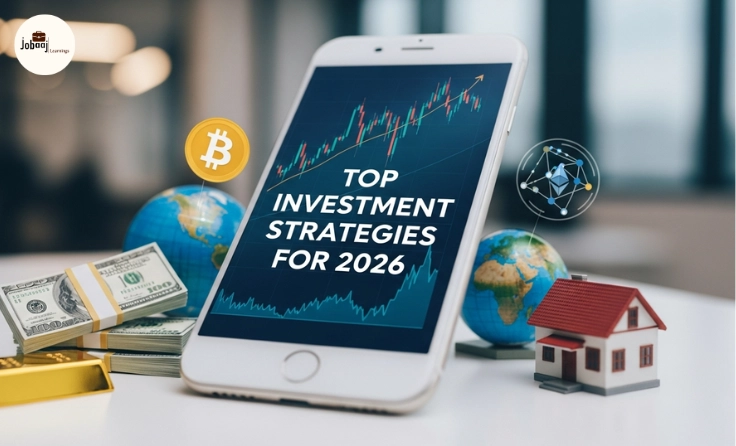
The world of investing is constantly changing. What worked last year may not work this year, and what works today might not be as effective tomorrow. If you're planning to invest in 2026, it’s crucial to understand the landscape ahead. The global economy, market trends, and emerging technologies all play a part in shaping the investment world.
Whether you're a seasoned investor or just starting to build your portfolio, having the right strategies in place can make all the difference. In this blog, we’ll explore the top investment strategies for 2026, helping you navigate the complexities of the market and make informed decisions to grow your wealth.
Exploring a career in Investment Banking? Apply now!
1. Embrace Technology and AI Investments
Technology has always been a game-changer in the investment world, but in 2026, it's more prominent than ever. With advancements in artificial intelligence (AI), machine learning, and automation, the tech industry is evolving rapidly, and investing in these innovations is crucial for the future.
Why invest in AI and technology?
-
The AI market is expected to grow exponentially in the coming years. Companies using AI to automate processes, enhance products, and improve efficiency are set to thrive.
-
Investing in tech stocks can provide exposure to emerging sectors like cloud computing, big data, and cybersecurity, which are becoming essential for businesses across industries.
-
AI-driven platforms, such as self-learning algorithms and robotics, are revolutionizing industries like healthcare, transportation, and finance.
How to get started:
-
Look for tech-focused ETFs (Exchange-Traded Funds) that provide exposure to a variety of tech stocks.
-
Invest in AI companies and startups that are working on cutting-edge technologies in fields like automotive, healthcare, and financial services.
2. Focus on Sustainable and Green Investments
Sustainability is no longer a trend, it's a necessity. In 2026, environmental, social, and governance (ESG) investing is gaining momentum, and there’s an increasing demand for sustainable practices across industries. People are more conscious than ever about the impact their investments have on the planet and society.
Why invest in sustainable companies?
-
Consumers are becoming more aware of environmental issues and prefer products and services that are eco-friendly. This demand drives growth in renewable energy, clean technology, and sustainable agriculture.
-
Studies show that sustainable companies often perform better in the long run. They’re more likely to be adaptable and resilient in the face of regulatory changes and global shifts.
-
By investing in sustainable companies, you not only grow your wealth but also contribute to positive change, supporting companies that align with ethical practices and the greater good.
How to get started:
-
Consider ESG-focused mutual funds or ETFs that track companies excelling in sustainability.
-
Look for green bonds, which are issued to fund environmentally friendly projects.
-
Research impact investing opportunities that allow you to put money into businesses committed to tackling global challenges like climate change and social inequality.
3. Real Estate Investment for Long-Term Growth
Real estate has always been a solid investment, but in 2026, the landscape is evolving. The rise of remote work, urbanization, and the continued demand for housing and commercial spaces is transforming the real estate market. If you're looking for long-term growth, real estate remains an attractive option.
Why invest in real estate?
-
Rental properties can provide consistent cash flow, especially in high-demand areas.
-
Real estate generally appreciates over time, making it a valuable long-term investment.
-
Real estate provides diversification for your portfolio and can act as a hedge against inflation and market volatility.
How to get started:
-
Invest in REITs (Real Estate Investment Trusts), which allow you to invest in real estate without having to manage properties directly.
-
Look into real estate crowdfunding platforms where you can invest in residential or commercial properties with a smaller initial investment.
-
Consider direct investment in properties, either for rental income or for future appreciation.
4. Cryptocurrency and Blockchain Technology
Cryptocurrency and blockchain technology have gone from being niche investments to mainstream opportunities. While the market can be volatile, the growing adoption of cryptocurrencies and blockchain-based solutions in finance, supply chains, and digital assets presents long-term growth potential.
Why invest in cryptocurrency and blockchain?
-
Blockchain technology is revolutionizing sectors such as finance, healthcare, and supply chain management, offering the potential for massive industry disruption.
-
Cryptocurrencies provide an alternative asset class to traditional stocks, bonds, and real estate, offering opportunities for significant returns.
-
Cryptocurrencies offer independence from traditional financial systems, attracting investors seeking more control over their wealth.
How to get started:
-
Bitcoin and Ethereum are the most widely recognized and safest bets for newcomers to cryptocurrency.
-
Look into blockchain ETFs or mutual funds that allow you to invest in companies utilizing blockchain technology.
-
Always approach crypto investments with caution and only invest what you can afford to lose, as the market can be unpredictable.
5. Index Funds and ETFs: A Safer Bet for Consistent Returns
If you're looking for a low-risk investment strategy in 2026, consider index funds and ETFs. These investment vehicles track the performance of specific market indices, such as the S&P 500, and provide diversified exposure to a wide range of companies.
Why invest in index funds and ETFs?
-
With a single investment, you can gain exposure to a variety of sectors, minimizing the risk of individual stock picking.
-
Index funds and ETFs typically have lower management fees compared to actively managed funds.
-
Over time, index funds and ETFs tend to provide consistent returns, making them ideal for long-term investors.
How to get started:
-
Choose broad-market ETFs that track indices like the S&P 500 or the Nasdaq-100 for broad exposure.
-
Consider sector-specific ETFs if you want to target a particular industry, like technology or healthcare.
6. Investing in Global Markets
In today’s interconnected world, it’s essential to look beyond domestic markets when considering investment opportunities. Global investing allows you to take advantage of growth in emerging markets, access to different currencies, and the opportunity to diversify your portfolio.
Why invest in global markets?
-
Emerging markets such as India, Brazil, and China offer growth opportunities that mature markets might not.
-
Investing in foreign markets exposes you to different currencies, which can be beneficial during times of currency volatility.
-
Many global markets are experiencing rapid economic growth, making them ripe for investment.
How to get started:
-
Invest in international index funds or global ETFs for diversified exposure to markets around the world.
-
Look into global stocks, especially in emerging markets where growth potential is high.
Conclusion
As you look ahead to 2026, it’s clear that the investment landscape is evolving rapidly. Whether you’re interested in AI technology, sustainable investments, real estate, cryptocurrency, or global markets, there are a variety of strategies to consider. The key to successful investing is finding a strategy that aligns with your goals, risk tolerance, and long-term vision.
Start by diversifying your portfolio, doing thorough research, and seeking expert advice if necessary. 2026 is filled with opportunities for investors, but success comes from informed decision-making and staying committed to your goals.
Dreaming of a Finance career? Start with Investment Banking Certification with Jobaaj Learnings.
Frequently asked questions
What are the best investment strategies for 2026?
The best strategies for 2026 include investing in AI technology, sustainable assets, real estate, cryptocurrency, and global markets. Diversifying your portfolio is key to long-term success.
Why should I invest in AI and technology?
AI and technology offer strong growth potential due to the ongoing innovations in machine learning, automation, and AI-driven solutions. These sectors are expected to transform industries in the coming years.
How can I invest in sustainable companies?
You can invest in sustainable companies through ESG-focused mutual funds, green bonds, or by directly investing in companies that prioritize environmental, social, and governance practices.
What are index funds and why are they a good investment option?
Index funds are low-cost investments that track market indices like the S&P 500. They provide diversification and are ideal for long-term investors looking for consistent returns.
Is investing in cryptocurrency a good option in 2026?
Cryptocurrency offers significant growth potential but comes with high volatility. It’s important to approach crypto investments with caution and only invest what you can afford to lose.
How can I start investing in global markets?
You can start by investing in international ETFs or global stocks to gain exposure to emerging markets and diversify your portfolio across different currencies and regions.

Join 5,00,000+ Subscribers
Be a part of our ever growing community.