Categories








































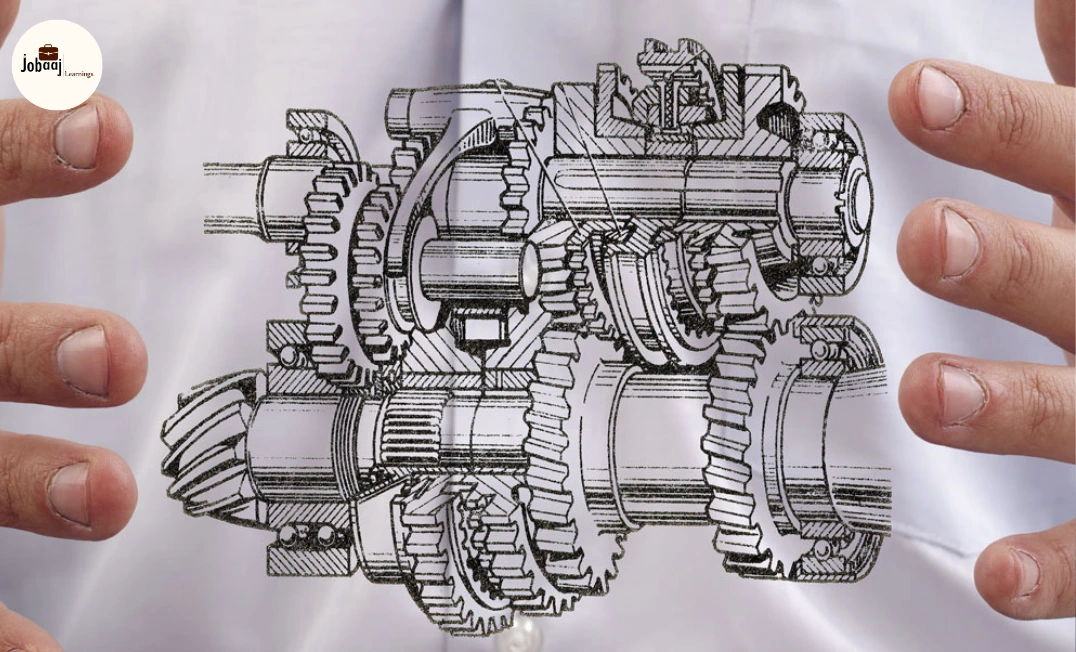
Mechanical engineering has always been one of the most versatile engineering fields.
From designing machines and automobiles to developing energy systems and industrial technologies, mechanical engineers have played a major role in building the modern world.
However, the field is changing.
The mechanical engineer of 2026 is not limited to traditional manufacturing plants or machine design roles. Today, mechanical engineers are working with artificial intelligence, robotics, electric vehicles, automation and advanced materials.
The future of mechanical engineering lies at the intersection of mechanics, technology and innovation.
For students and professionals, this creates new career opportunities beyond conventional engineering roles.
How Mechanical Engineering Careers Are Changing in 2026
Earlier, mechanical engineering careers were mainly associated with:
- Manufacturing
- Automobile production
- Thermal engineering
- Maintenance
- Machine design
These areas are still important, but industries now need engineers who can work with advanced technologies.
Modern companies are looking for mechanical engineers who understand:
- Digital design tools
- Automation systems
- Sustainable technologies
- Simulation software
- Robotics
- Smart manufacturing
The biggest opportunities are coming from industries that are combining mechanical engineering with emerging technologies.
1. Robotics Engineer
Robotics is one of the fastest-growing career areas for mechanical engineers.
Modern robots are no longer limited to factories. They are being used in healthcare, logistics, defence, agriculture and consumer technology.
Mechanical engineers play an important role in designing the physical structure and movement systems of robots.
Their work includes:
- Designing robotic components
- Developing mechanical systems
- Testing robot movements
- Improving efficiency and reliability
Important skills:
- CAD modelling
- Robotics fundamentals
- Mechanical design
- Control systems
- Automation
Career opportunities are growing because industries are increasingly adopting automation to improve productivity.
2. Electric Vehicle (EV) Engineer
The rise of electric vehicles has created new opportunities for mechanical engineers.
Although EVs depend heavily on electronics and software, mechanical engineering remains critical for vehicle design, thermal management and performance improvement.
EV engineers work on:
- Battery cooling systems
- Vehicle structures
- Motor integration
- Lightweight materials
- Vehicle performance
Important skills:
- Automotive design
- Thermal engineering
- CAD software
- Battery systems
- Simulation tools
Companies working in automotive technology are actively looking for engineers who understand both traditional vehicle systems and new EV technologies.
3. CAD Design Engineer
Computer-Aided Design (CAD) remains one of the most important skills for mechanical engineers.
CAD engineers convert ideas into detailed digital models that can be manufactured.
They work across industries such as:
- Automotive
- Aerospace
- Manufacturing
- Product design
- Consumer electronics
Common responsibilities include:
- Creating 3D models
- Preparing engineering drawings
- Designing components
- Improving product designs
Popular software:
- SolidWorks
- CATIA
- AutoCAD
- Creo
- Siemens NX
A skilled CAD engineer with industry knowledge can find opportunities in both domestic and international markets.
4. Product Design Engineer
Product design engineering combines creativity with mechanical knowledge.
These engineers focus on designing products that are functional, reliable and easy to manufacture.
They consider:
- User requirements
- Material selection
- Manufacturing feasibility
- Cost optimisation
Examples of products they design:
- Industrial equipment
- Consumer products
- Automotive parts
- Medical devices
This role is ideal for engineers who enjoy solving design problems and creating physical products.
5. Manufacturing Engineer
Manufacturing engineers ensure that products can be produced efficiently at scale.
They focus on improving production processes, reducing waste and increasing quality.
Their responsibilities include:
- Process improvement
- Production planning
- Quality control
- Automation implementation
Manufacturing is becoming smarter with technologies like:
- Robotics
- Artificial intelligence
- IoT systems
- Digital factories
Future manufacturing engineers will need both mechanical knowledge and technology skills.
6. Automation Engineer
Industries worldwide are adopting automation to improve efficiency.
Automation engineers design systems that reduce manual work and improve production accuracy.
Mechanical engineers with automation knowledge can work on:
- Automated machines
- Industrial systems
- Control mechanisms
- Smart factories
Important skills:
- PLC basics
- Sensors
- Industrial automation
- Robotics
- Process control
This career path is growing because companies are investing heavily in automated operations.
7. Aerospace Engineer
Aerospace is one of the most advanced fields for mechanical engineers.
Mechanical engineers contribute to aircraft and spacecraft development through:
- Structural design
- Thermal analysis
- Material selection
- Testing
Career areas include:
- Aircraft design
- Space systems
- Defence technology
- Satellite components
Skills that help:
- CAD modelling
- Fluid mechanics
- Simulation
- Material science
With increasing private investment in aerospace and space technology, opportunities are expanding.
8. Thermal and Energy Engineer
Energy efficiency has become a major focus across industries.
Thermal engineers work on systems involving heat transfer and energy management.
They contribute to:
- Power plants
- Renewable energy systems
- HVAC systems
- Industrial equipment
Important skills:
- Thermodynamics
- Heat transfer
- Energy modelling
- Simulation tools
With the growth of sustainable technologies, energy-related mechanical roles are becoming increasingly relevant.
9. Simulation Engineer
Modern companies use simulations before creating physical products.
Simulation engineers analyse how designs will perform under different conditions.
They work on:
- Stress analysis
- Fluid flow analysis
- Thermal performance
- Product optimisation
Popular tools:
- ANSYS
- MATLAB
- Abaqus
- COMSOL
Simulation reduces development costs and improves product reliability.
10. Maintenance and Reliability Engineer
Industries depend on machines running efficiently.
Reliability engineers focus on preventing failures and improving equipment performance.
They work in:
- Manufacturing plants
- Energy companies
- Oil and gas
- Heavy industries
Their responsibilities include:
- Equipment monitoring
- Failure analysis
- Preventive maintenance
- Process improvement
This remains a stable career path for mechanical engineers.
11. Renewable Energy Engineer
The transition towards clean energy is creating new opportunities for mechanical engineers.
Mechanical engineers contribute to:
- Wind turbine design
- Solar equipment
- Energy systems
- Storage solutions
They work on improving efficiency and reliability of renewable technologies.
Skills needed:
- Energy systems
- Fluid mechanics
- Mechanical design
- Sustainability concepts
12. Mechanical Engineering Consultant
Experienced mechanical engineers can move into consulting roles.
Consultants help companies solve technical challenges related to:
- Product development
- Manufacturing
- Equipment selection
- Process improvement
This career requires strong technical knowledge combined with communication and business skills.
Skills Mechanical Engineers Need in 2026
A mechanical engineering degree provides the foundation, but modern careers require additional skills.
Design and Simulation Skills
Knowledge of:
- CAD software
- 3D modelling
- Simulation tools
is essential for many engineering roles.
Programming and Digital Skills
Basic knowledge of:
- Python
- MATLAB
- Data analysis
can help engineers work with modern engineering systems.
Automation Knowledge
Understanding:
- Robotics
- Sensors
- Control systems
creates opportunities in smart manufacturing.
Problem-Solving Ability
Engineering is ultimately about solving practical problems.
Companies value engineers who can analyse situations and create efficient solutions.
Industries Hiring Mechanical Engineers in 2026
Mechanical engineers can find opportunities across multiple sectors.
Automotive
Roles in:
- EV development
- Vehicle design
- Testing
- Manufacturing
Aerospace
Opportunities in:
- Aircraft systems
- Space technology
- Defence
Manufacturing
Roles in:
- Production
- Automation
- Quality improvement
Energy
Careers in:
- Renewable energy
- Thermal systems
- Power technology
Technology Companies
Growing demand in:
- Robotics
- Product development
- Hardware engineering
Mechanical Engineer Salary in India
Salary depends on skills, experience, industry and specialisation.
Approximate ranges:
Fresh Graduate:
₹3 lakh – ₹6 lakh per year
2–5 Years Experience:
₹6 lakh – ₹12 lakh per year
Specialised Roles (EV, Robotics, Aerospace, Simulation):
₹8 lakh – ₹20 lakh+ per year
Senior Engineering Roles:
₹15 lakh – ₹30 lakh+ per year
Engineers with advanced software skills and industry-specific expertise generally have better growth opportunities.
How Mechanical Engineers Can Stay Future-Ready
The biggest mistake engineers can make is relying only on their degree.
The industry is moving towards engineers who combine mechanical fundamentals with modern technology.
A future-ready mechanical engineer should:
- Learn advanced CAD tools
- Understand automation
- Explore simulation software
- Develop programming basics
- Work on practical projects
- Stay updated with industry trends
The goal is not replacing mechanical knowledge with technology, but combining both.
Final Thoughts
Mechanical engineering is not disappearing. It is evolving.
The next generation of mechanical engineers will design electric vehicles, build intelligent machines, improve renewable energy systems and create advanced products.
The most successful engineers will be those who move beyond traditional concepts and develop skills that match the changing industry.
For students choosing mechanical engineering or professionals planning their next step, 2026 offers opportunities in robotics, EVs, automation, aerospace and advanced manufacturing.
The future of mechanical engineering belongs to engineers who can combine creativity, technical knowledge and modern technology.
Frequently asked questions
Which mechanical engineering job has the highest demand in 2026?
Roles related to electric vehicles, robotics, automation, CAD design, simulation and advanced manufacturing are expected to have strong demand in 2026. These areas are growing because industries are adopting smart technologies and developing more advanced products.
Is mechanical engineering still a good career in 2026?
Yes, mechanical engineering remains a valuable career because industries still need professionals who can design, build and improve physical systems. However, engineers who combine mechanical knowledge with digital skills will have stronger career opportunities.
Which skills should mechanical engineers learn for future jobs?
Mechanical engineers should learn CAD software, simulation tools, automation basics, programming, data analysis and industry-specific technologies such as EV systems or robotics. Combining engineering fundamentals with modern skills improves career growth.
Can mechanical engineers work in technology companies?
Yes, mechanical engineers can work in technology companies, especially in areas like robotics, hardware development, product design and automation. Many technology companies need engineers who understand physical systems and product development.
What is the future scope of mechanical engineering?
The future scope of mechanical engineering is expanding into areas such as electric vehicles, renewable energy, robotics, aerospace, automation and smart manufacturing. Engineers who continue upgrading their skills can access diverse career opportunities.

Join 5,00,000+ Subscribers
Be a part of our ever growing community.