Categories








































Let’s imagine you’re sitting on your couch, scrolling through Instagram, and a perfectly timed ad catches your eye. It's from a direct-to-consumer (D2C) brand you’ve never heard of, but the product looks interesting. You click on the ad, visit their website, and after browsing for a few minutes, you make the purchase.
Exploring a career in Performance Marketing? Apply Now!
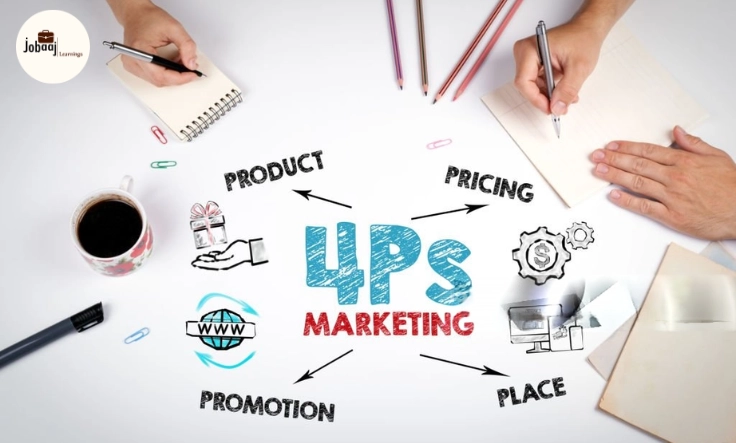
What just happened? You’ve just experienced the power of the 4Ps of Marketing: Product, Price, Place, and Promotion. These four elements have been strategically crafted by the brand to grab your attention and guide you through a seamless purchase experience. In this blog, we’ll dive into how D2C brands have mastered these 4Ps to build successful marketing strategies, driving both engagement and revenue.
1. Product Strategy: Creating Something Worth Buying
The first P in the 4Ps is Product. For D2C brands, the product is not just about functionality but about creating something that resonates with their audience’s values, needs, and preferences.
Example:
Consider Allbirds, a D2C brand known for its eco-friendly shoes. Allbirds’ success lies in its unique selling proposition: comfortable, sustainable footwear made from merino wool. The product isn’t just shoes; it’s a lifestyle choice for consumers who care about the planet. The product's positioning around sustainability and comfort appeals directly to their target audience's values, which drives brand loyalty.
-
Why it matters: A product that aligns with customer values increases the likelihood of a purchase and repeat business.
What to learn:
When building your product strategy, consider not just the features of the product, but the emotional connection you want to foster with your audience. Ask yourself: How does this product improve their lives?
2. Price Strategy: Finding the Right Value
Price is the next P and arguably one of the most critical elements for D2C brands to get right. The price point has to strike a balance between perceived value and affordability.
Example:
Look at Dollar Shave Club, a D2C brand that disrupted the shaving industry. They offer high-quality razors at an affordable subscription model, which created a whole new market for customers who wanted a better price-to-value ratio. Dollar Shave Club’s ability to keep their products affordable while maintaining a high perceived value helped them scale rapidly.
-
Why it matters: If your pricing is too high, customers may feel like they're not getting their money’s worth. If it’s too low, it might devalue your brand.
What to learn:
When determining pricing, consider your customers’ willingness to pay and what competitors are charging. Offering tiered pricing or subscriptions, like Dollar Shave Club, can also increase customer lifetime value.
3. Place Strategy: Meeting Customers Where They Are
Place refers to how and where a product is sold. For D2C brands, the primary place to sell is often online, but that doesn’t mean it’s as simple as just having a website. The key is accessibility and convenience.
Example:
Warby Parker, a D2C eyewear brand, revolutionized the way people buy glasses. By offering a free home try-on program and making the entire purchasing process online, Warby Parker solved the problem of finding the right fit without having to visit a store. This eliminated friction in the purchasing process, which made it easier for consumers to buy from them.
-
Why it matters: An easy-to-use platform and strategic access points like free shipping or return policies increase the chances of conversion.
What to learn:
Understand your target market’s buying habits. If they prefer online shopping, create an intuitive website. If they’re more inclined to purchase in-store, consider offering pop-up shops or partnerships with retail locations.
4. Promotion Strategy: Crafting the Right Message
Finally, Promotion is how you get your product in front of your target audience. D2C brands use a mix of digital advertising, content marketing, social media, and influencer partnerships to spread the word.
Example:
Glossier, a beauty brand that started as a blog, effectively uses social media and influencer marketing to build its brand. By partnering with micro-influencers and creating content that feels authentic, Glossier has turned its customers into brand ambassadors. They’ve built a loyal community through strategic promotion efforts that feel personal and relatable.
-
Why it matters: Promotion drives awareness and consideration. If done right, it can lead to conversions and long-term loyalty.
What to learn:
Focus on building a community around your brand, not just selling a product. Personal, authentic promotion through influencers and social media is one of the most effective ways to connect with modern consumers.
Conclusion: The Power of the 4Ps in D2C Brand Marketing
The 4Ps of marketing—Product, Price, Place, and Promotion—are the foundational elements that drive a D2C brand’s success. By mastering these elements, brands like Allbirds, Dollar Shave Club, Warby Parker, and Glossier have not only differentiated themselves in the market but have also created lasting connections with their customers.
As we move further into 2025-26, understanding the 4Ps and how they can be applied to your D2C brand will be essential for achieving sustainable growth. By focusing on your product’s value, setting the right price, making it easy to purchase, and crafting engaging promotional strategies, you can build a brand that resonates with your audience and stands out in a competitive market.
Dreaming of a Performance Marketing Career? Start with Performance Marketing Certificate with Jobaaj Learnings.
Frequently asked questions
What is the 4P marketing model?
The 4P marketing model includes Product, Price, Place, and Promotion, which are the four key elements that businesses use to create effective marketing strategies and drive success.
How do D2C brands use the 4Ps?
D2C brands use the 4Ps by creating products that resonate with customers, pricing them to reflect value, offering easy purchasing options, and promoting through digital marketing and social media to drive engagement.
Why is price important for D2C brands?
Price is important because it impacts the perceived value of the product. It needs to be affordable yet reflective of the quality, ensuring customers feel they are getting a good deal.
How can I apply the 4Ps to my D2C brand?
Start by understanding your target audience and their needs. Create a product that aligns with these needs, price it competitively, sell through convenient channels, and promote it using effective digital marketing strategies.
What are some examples of successful D2C brands using the 4Ps?
Examples include Allbirds, Dollar Shave Club, Warby Parker, and Glossier, each of which has leveraged the 4Ps to build strong, engaging brands that resonate with their customers.
How can I promote my D2C brand effectively?
Focus on creating authentic, engaging content and collaborate with influencers who resonate with your target audience. Utilize social media platforms to foster a community around your brand.

Join 5,00,000+ Subscribers
Be a part of our ever growing community.