

 Categories








































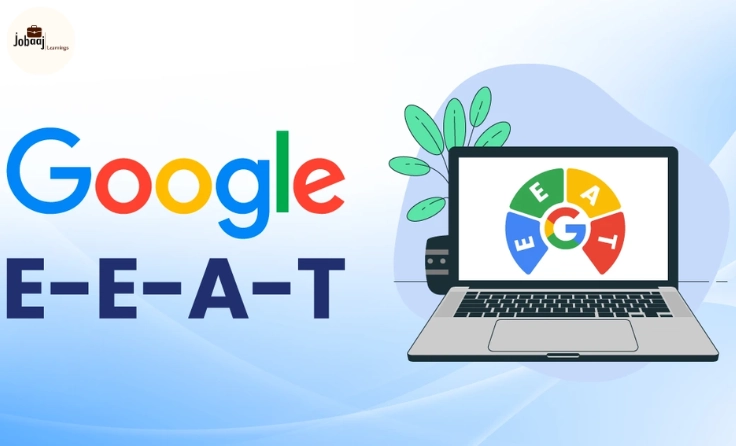
In the ever-evolving world of SEO, staying ahead of the game requires more than just understanding keywords or optimizing page titles. One term you’ve likely come across is E-E-A-T, but what exactly does it mean and why is it so important for SEO success in 2025?
Exploring a career in Performance Marketing? Apply Now!
E-E-A-T stands for Experience, Expertise, Authoritativeness, and Trustworthiness—and it’s become one of the most important factors in how Google determines the quality of content. As search engines get smarter, they’re prioritizing content that not only provides value but also comes from credible, experienced sources. So, if you’re looking to improve your rankings and build a solid online presence, understanding and implementing E-E-A-T is essential. Let’s break down each part of E-E-A-T and how you can use it to elevate your content and SEO strategy.
Experience: The Value of Real-World Knowledge
When Google talks about experience, it’s not just asking if you’re an expert—it’s asking if you’ve lived it. Experience refers to the practical knowledge and real-world expertise you bring to the table. Think about it: when you read content, you trust advice from someone who’s been in the trenches, not just someone who’s read a textbook.
For example, if you’re searching for advice on improving your health, you’re more likely to trust a doctor or health professional who has years of practice in the field over someone who simply regurgitates online information. The same applies to SEO. Content from those with real experience is far more valuable than generic advice. Google’s algorithm can now detect if content is created by someone who has genuine experience, which is why authenticity has become one of the key elements in ranking high.
If you’re in a particular niche or industry, make sure to showcase your hands-on experience. Whether you’re sharing personal stories, case studies, or detailed guides from your own journey, this personal touch will not only resonate with readers but will also help build trust and authority in the eyes of search engines.
Expertise: Depth of Knowledge Matters
While experience is about practical, real-world knowledge, expertise refers to the depth of your understanding. Expertise is the difference between knowing the basics of a topic and being able to offer valuable insights, solutions, and strategies. If you want to rank well on Google, your content needs to prove that you have in-depth knowledge of the subject matter.
It’s one thing to write about SEO, but it’s another to offer insider knowledge, backed by research and experience. Google’s algorithm favors websites and content that are comprehensive and demonstrate a deep level of understanding. So, how do you show expertise in your content?
First, focus on producing well-researched, detailed content that answers specific questions or provides actionable steps. Instead of merely summarizing a topic, dive deep into it, offering practical solutions and using examples that show you understand the nuances of the subject. This type of content isn’t just valuable to readers—it also signals to Google that you are a trusted authority in your field.
Authoritativeness: Building Credibility with Trusted Sources
Now that we’ve covered experience and expertise, let’s talk about authoritativeness. Authoritativeness is all about credibility—how trustworthy your content and website are in the eyes of both users and other credible sources.
Think about it this way: when an expert in a field cites your work or links to your content, that’s a vote of confidence in your authority. The more reputable sources that refer to your website or content, the more likely Google is to consider you an authority. Backlinks from trusted, high-authority websites are crucial for building your site’s credibility and improving your rankings.
But how can you establish authority? Start by building relationships with other thought leaders and influencers in your industry. Collaborate, share your insights, and get your work published in respected journals, blogs, or media outlets. The more you put yourself out there and show that others view you as a reliable source of information, the stronger your authority will become.
Join our SEO Crash Course and watch your rankings grow!
Trustworthiness: The Core of Everything
At the heart of E-E-A-T is trustworthiness. Google’s mission is to provide users with the most relevant and reliable content, so if your website or content doesn’t inspire trust, it won’t rank well. Trust is built on transparency, honesty, and reliability.
For example, if you’re running an e-commerce website, it’s important that customers feel safe entering their payment details. You need to show that your site is secure by using HTTPS, and you should have clear privacy policies that explain how customer data is handled. If your content contains factual information, make sure to cite your sources properly and avoid misleading claims. Google prioritizes websites that are authentic and offer clear, trustworthy content.
But it’s not just about technical security—it’s also about how you present your brand. Ensure that your website has a professional design, clear navigation, and transparent business practices. Be honest with your audience, and never mislead them with clickbait or false promises. Building trust is a long-term process, but it’s essential for SEO success and establishing long-term credibility.
Leverage Content Quality and User Engagement to Build Trust
When we talk about content quality in the context of E-E-A-T, we’re not just talking about well-written copy. Content quality involves delivering content that answers your audience’s questions, solves their problems, and gives them value. Google's algorithm rewards content that keeps users engaged and coming back for more.
How does content quality contribute to trustworthiness?
It’s simple. When people find your content helpful, informative, and actionable, they’re more likely to trust your brand. Google takes user engagement metrics into account, including bounce rates, average time on page, and social shares. If your content keeps people on your site longer or encourages them to share it with others, these signals tell Google that your content is reliable and valuable.
Actionable Strategy:
-
Create long-form, comprehensive articles that thoroughly cover a topic.
-
Make sure the content is easy to navigate, well-organized, and visually appealing.
-
Encourage comments, feedback, and user interaction on your blog posts. This engagement not only boosts trustworthiness but also signals to Google that your content is relevant and trustworthy.
-
Regularly update your content to keep it accurate, fresh, and aligned with current trends.
Content that’s high-quality and engaging naturally builds trust over time. When your content is relevant, well-researched, and keeps people on your site, you're directly aligning with Google's goal to provide users with the most relevant, authoritative, and trustworthy information available.
Understand the Role of Technical SEO in E-E-A-T
As much as high-quality content is vital for E-E-A-T, the technical side of SEO cannot be overlooked. In fact, a website with technical issues can severely affect how Google perceives its trustworthiness, even if the content itself is excellent. Poor website performance, slow loading times, or security flaws can give users—and Google—pause when it comes to ranking.
Why does technical SEO matter for E-E-A-T?
Website Security (HTTPS): Google prioritizes secure websites. If your site is not HTTPS, not only will it rank lower, but visitors will also see security warnings that could undermine trust in your site. Websites with HTTPS are seen as secure and trustworthy by both Google and users, which is essential in building credibility.
Mobile Friendliness: With mobile-first indexing, Google ranks websites based on their mobile versions. If your website isn’t optimized for mobile devices, it will affect your rankings, regardless of how great your content is. More than half of all global internet traffic comes from mobile devices, so it's critical to ensure your site performs well on smaller screens.
Site Speed and Performance: Page load speed is a critical ranking factor for Google, and it’s also a major aspect of user experience. Websites that load quickly provide a better experience for users and are more likely to be seen as trustworthy. Slow-loading pages can lead to higher bounce rates and lower user satisfaction, both of which can negatively impact your rankings.
Clean Website Structure: A website that is easy to navigate and well-structured not only helps users find what they’re looking for but also makes it easier for Google to crawl and index your site. This includes having a logical hierarchy, proper use of header tags, and an optimized URL structure.
Internal Linking and Sitemap: Ensure your website has a proper internal linking structure. This makes it easier for both users and search engines to find related content, improving overall site navigation. Additionally, a clear and updated XML sitemap helps search engines crawl your pages efficiently and understand your website’s structure.
Actionable Strategy:
-
Conduct regular technical audits using tools like Google Search Console, GTMetrix, or Ahrefs to spot and resolve technical issues that may affect your site's trustworthiness.
-
Improve site speed by optimizing images, minifying CSS/JS files, and leveraging browser caching.
-
Ensure your website is mobile-optimized using responsive design to guarantee a seamless experience for visitors across devices.
-
Use secure sockets layer (SSL) certificates to switch your website to HTTPS and show users that your site is secure.
By focusing on the technical aspects of SEO, you’re making sure that Google sees your site as trustworthy and easy to navigate. A well-optimized website with fast load times and strong security signals trustworthiness, which ultimately leads to better SEO rankings.
Why E-E-A-T Matters for Your SEO Strategy
So, how does E-E-A-T directly impact your SEO rankings? Google’s algorithm continuously evolves, but one thing is clear: it’s always seeking out content that is valuable, credible, and trustworthy. When your content demonstrates experience, expertise, authoritativeness, and trustworthiness, you align with Google’s mission to provide the best user experience.
In practical terms, focusing on E-E-A-T can help you improve several key areas of SEO:
-
Better content quality: By focusing on creating valuable, in-depth content, you’re more likely to satisfy search intent and provide real solutions to your audience’s problems.
-
Improved credibility: Building a reputation as an authority in your niche will lead to more backlinks, mentions, and positive user interactions—critical signals for SEO.
-
Increased trust: Websites that prioritize transparency and ethical practices are more likely to engage users and build long-term loyalty, which is a key factor for ranking higher.
If you want to rise to the top of Google’s search results, it’s essential to integrate E-E-A-T into your content strategy. By doing so, you’re not only improving your rankings, but you’re also providing real value to your audience.
Conclusion
In 2025 and beyond, E-E-A-T will continue to play a crucial role in SEO. By focusing on creating content that showcases your experience, expertise, authoritativeness, and trustworthiness, you’re positioning yourself to rank higher, build credibility, and ultimately drive more traffic. Google’s algorithms will keep evolving, but one thing remains constant: content that is trustworthy and adds value to users will always rise to the top.
So, take the time to enhance your E-E-A-T strategy. Show real-world experience, back up your knowledge with research, build authority through credible sources, and maintain trust with your audience. By doing so, you’ll not only succeed in SEO, but you’ll also build a loyal, engaged audience that trusts you for the long haul.
Dreaming of a Performance Marketing Career? Start with Performance Marketing Certificate with Jobaaj Learnings.
Frequently asked questions
What is E-E-A-T in SEO?
E-E-A-T stands for Experience, Expertise, Authoritativeness, and Trustworthiness. It is a set of guidelines that Google uses to assess the quality of content and rank it accordingly. Content that demonstrates these four factors tends to rank higher in search engine results.
How does Experience affect SEO rankings?
Experience refers to real-world knowledge and practical expertise. Content created by individuals with hands-on experience in a particular field is valued more highly by Google, as it is seen as more authentic and relevant to users.
Why is Expertise important for SEO?
Expertise refers to the depth of knowledge on a subject. Google prefers content that is well-researched and provides in-depth insights, as it signals to the search engine that the content is reliable and informative.
What role does Authoritativeness play in SEO?
Authoritativeness is about the credibility of the content and its source. Google values content from reputable sources with a strong online presence, such as websites that are linked to or mentioned by authoritative sites in the industry.
How does Trustworthiness impact SEO rankings?
Trustworthiness is crucial for SEO success. Google prioritizes content that is transparent, accurate, and honest. Websites that are secure, provide reliable information, and maintain a positive reputation are more likely to rank higher.
How can I improve my website’s E-E-A-T?
To improve your website’s E-E-A-T, focus on providing high-quality, well-researched content, build backlinks from reputable sources, and ensure your website is secure and transparent. Additionally, highlight your credentials and real-world experience to build trust with your audience.

Join 5,00,000+ Subscribers
Be a part of our ever growing community.






