Categories








































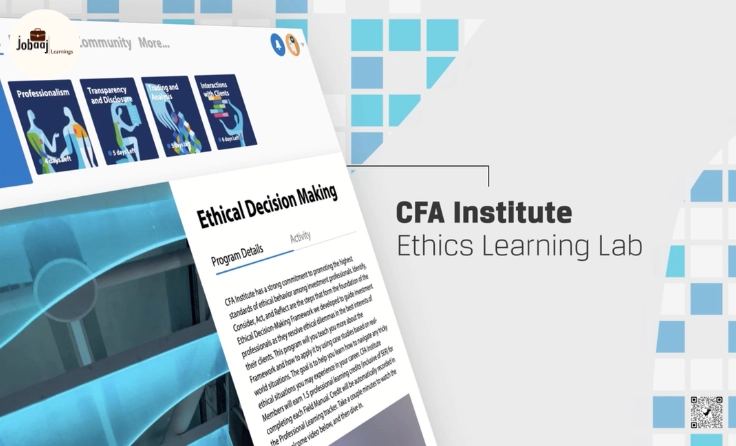
When you think about the CFA exam, the first thing that often comes to mind is probably the challenging financial concepts, technical questions, and complex formulas. But there’s one section of the exam that stands apart from the rest: the Ethics module. Many candidates often overlook it, thinking it’s just a bunch of rules and guidelines to memorize. However, the Ethics section isn’t something you should brush aside—it’s one of the most important parts of the CFA exam.
Exploring a career in Investment Banking? Apply now!
In fact, the Ethics section is so critical that it can actually make or break your overall score. It’s not just about passing a test—it’s about ensuring that you understand the core ethical principles that guide the finance and investment industry. In this blog, we’ll dive deep into what you need to know about the Ethics module in the CFA exam, why it’s so important, and how to prepare for it effectively.
Why is the Ethics Module Important?
The Ethics section of the CFA exam is crucial for several reasons:
It sets the foundation for the CFA Institute’s Code of Ethics and Standards of Professional Conduct: These guidelines are the cornerstone of the financial industry. They ensure that finance professionals act with integrity and prioritize the interests of clients and the public above their own.
It’s weighted heavily in the exam: While the other sections might seem more complex, the Ethics section carries a significant weight in your final score. The CFA Institute has stated that Ethics can be the deciding factor when it comes to passing or failing the exam.
It shapes your career as a CFA charterholder: Ethics isn’t just about passing the exam—it’s about becoming a trusted professional in the finance industry. A deep understanding of ethics is vital for building credibility and trust with clients and colleagues. It reflects on how you approach decisions in real-world situations.
It helps you stand out: As much as technical expertise is important in finance, employers value professionals who act with integrity and who understand the ethical dimensions of their work. Having a strong foundation in Ethics can help you build a career that is not only successful but respected.
Key Concepts in the Ethics Module
The CFA Ethics module is divided into various components, and understanding each of these is critical for both passing the exam and practicing as a CFA charterholder. Here are the key components:
1. Code of Ethics and Standards of Professional Conduct
The heart of the Ethics section is the Code of Ethics and the Standards of Professional Conduct. The Code sets forth a set of principles that every CFA charterholder should follow. These principles emphasize:
-
Acting with integrity and professionalism in all activities.
-
Putting clients’ interests first above all else.
-
Maintaining independence and avoiding conflicts of interest.
The Standards of Professional Conduct outline specific behaviors related to integrity, conflicts of interest, loyalty, fairness, and care. This section is foundational because it applies directly to how you, as a finance professional, should behave in practice.
2. Ethical and Professional Standards in Practice
While the Code of Ethics and Standards of Professional Conduct are general in nature, this part of the module dives deeper into real-world applications. This is where you’ll explore how to apply these ethical guidelines in various professional scenarios, such as:
-
Dealing with conflicts of interest (e.g., what happens when you have an incentive to act in your own interest instead of the client’s?).
-
Ensuring transparency when making recommendations to clients or when reporting financial information.
-
Professional conduct when dealing with clients, employers, and colleagues.
This section asks you to think critically about real situations where ethics might be questioned, allowing you to understand not just the rules but how they work in practice.
3. GIPS Standards (Global Investment Performance Standards)
For candidates focused on investment management, understanding GIPS is crucial. These standards ensure fairness and transparency in presenting investment performance. They help firms present their performance in a standardized way, so clients can make informed decisions.
The GIPS standards outline how investment firms should present their historical returns and other investment data. While this is more specific to investment managers, understanding GIPS is essential for passing the exam and for those looking to advance in the investment world.
4. Professionalism in the Workplace
The last portion of the Ethics module deals with professional conduct in your day-to-day job. This includes not only adhering to ethical standards but also maintaining professional behavior. For instance, when conducting research, reporting results, or making decisions, you are expected to:
-
Maintain independence and objectivity.
-
Ensure honesty and fairness in all interactions.
-
Act in a manner that enhances the reputation of the profession.
Understanding these expectations is essential not only for passing the exam but for your career long-term.
How to Prepare for the Ethics Module
Now that we understand what the Ethics section entails, let’s talk about how you can prepare effectively. The good news is that the Ethics module isn’t something that requires heavy memorization. Instead, it’s about understanding principles and applying them to real-world scenarios.
Here are some preparation tips:
1. Read the CFA Institute’s Materials Thoroughly
The CFA Institute’s Curriculum is the most comprehensive resource for the Ethics section. It’s critical to read through the entire Ethics section in the official curriculum. Take the time to read the Code of Ethics, the Standards of Professional Conduct, and the examples provided. These examples will help you understand how to apply the ethical guidelines in different professional situations.
2. Practice with Ethics Questions
The best way to master the Ethics section is through practice. The CFA Institute provides practice questions in its curriculum, which are designed to mimic the style of the actual exam. Additionally, third-party prep providers like Schweser and Wiley also offer practice questions and mock exams specifically for the Ethics section.
While practicing, pay special attention to why answers are correct or incorrect. This will deepen your understanding of the Code of Ethics and Standards of Professional Conduct.
3. Focus on Application, Not Just Memorization
It’s easy to think of Ethics as something to memorize, but that’s not the case. The key to success is understanding the principles and being able to apply them to real-life scenarios. When studying, try to relate the material to real-world situations. Think about how you would handle conflicts of interest, how you would represent a client’s interests, and how you would act ethically in the workplace.
4. Revise Regularly
Ethics isn’t something you can cram for in the final days before the exam. You’ll need to review regularly to make sure the concepts stay fresh. Dedicate a part of your study schedule to revisiting the Code of Ethics and the Standards of Professional Conduct, and consistently test yourself with practice questions.
Conclusion
The Ethics section in the CFA Level 1 exam might feel like a challenge at first, but it’s one of the most rewarding and impactful areas of the entire exam. Understanding these principles not only helps you succeed in the exam but also prepares you for a successful career in finance and investment management. The skills you build by mastering the CFA Code of Ethics and the Standards of Professional Conduct will carry you throughout your professional journey, guiding you in making ethical decisions and building trust with clients and colleagues.
By approaching this section with a focus on understanding the principles and practicing their application, you’ll be well-prepared to tackle it confidently. Make the Ethics module a priority in your study plan, and the results will speak for themselves.
Dreaming of a Finance career? Start with Investment Banking Certification with Jobaaj Learnings.
Frequently asked questions
What is the Ethics module in CFA Level 1?
The Ethics module in CFA Level 1 focuses on understanding the **CFA Institute’s Code of Ethics** and **Standards of Professional Conduct**. It covers key principles of integrity, professionalism, and how to apply these in the finance industry.
How important is the Ethics section for CFA Level 1?
The Ethics section carries significant weight in the CFA Level 1 exam. It plays a crucial role in determining whether you pass or fail the exam, and understanding these concepts is vital for building a reputable career in finance.
How can I prepare for the Ethics section in CFA Level 1?
To prepare for the Ethics section, focus on understanding the **Code of Ethics** and **Standards of Professional Conduct**, practice with relevant questions, and regularly review key concepts. Don’t just memorize; focus on applying the principles to real-world situations.
Are there any specific resources for CFA Ethics preparation?
The CFA Institute’s official curriculum is the best resource for studying Ethics. Additionally, third-party providers like **Schweser** offer practice questions and mocks that are useful for reinforcing your understanding.
How can I improve my understanding of the CFA Ethics module?
Regular practice and revisiting key principles are the best ways to improve your understanding of the Ethics module. Try to apply the concepts to real-world scenarios and focus on the reasoning behind the answers when practicing questions.
What is the role of the CFA Code of Ethics in a finance career?
The **CFA Code of Ethics** guides financial professionals in maintaining high ethical standards, ensuring they act in the best interests of clients and the public. Mastering it is essential for establishing trust and credibility in your career.

Join 5,00,000+ Subscribers
Be a part of our ever growing community.