Categories














/content/learnings/assets/header/ManagementConsulting.svg)
/content/learnings/assets/header/InvestmentBanking.svg)



























/content/learnings/assets/header/programs/1.png)
/content/learnings/assets/header/programs/4.png)

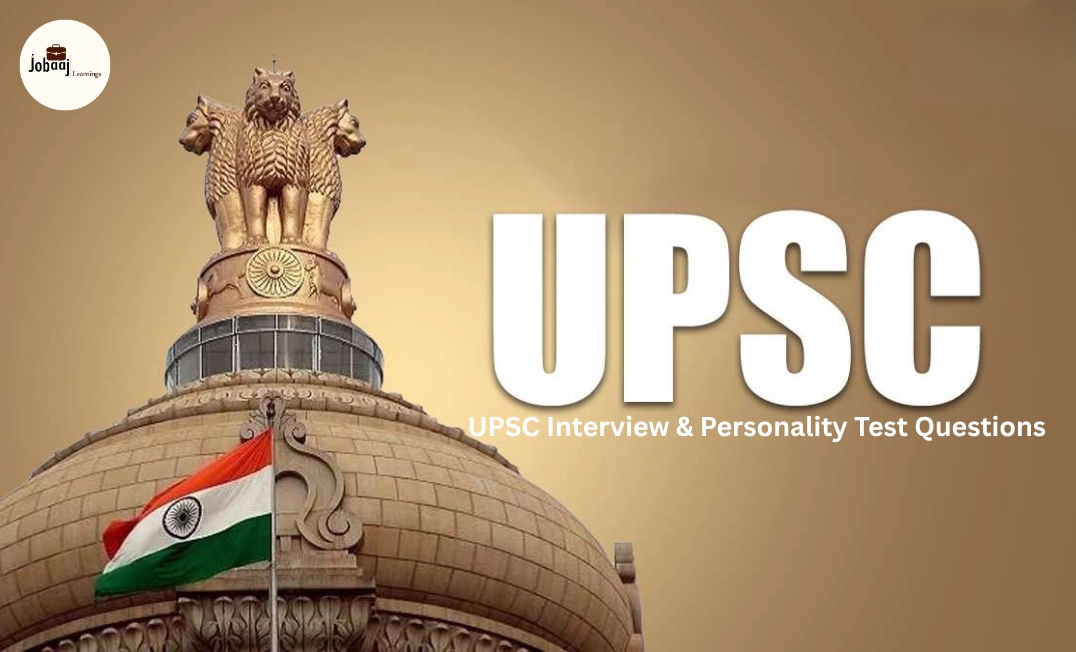
The UPSC Civil Services Examination (CSE) is one of the most prestigious and competitive exams in India. It’s not just about scoring high marks in the written exams but also acing the UPSC Interview & Personality Test. The Personality Test is designed to assess a candidate’s mental acumen, attitude, communication skills, and overall suitability for a career in the civil services.
In 2026, the UPSC Interview & Personality Test will focus on a range of contemporary issues, general knowledge, and personal reflections to gauge a candidate's depth of understanding. This blog will explore the top 30 interview topics, provide how to answer each question, and give sample answers to help candidates prepare effectively.
Top 30 UPSC Interview & Personality Test Topics
1. What are your views on India's foreign policy?
When answering this question, focus on key aspects of India’s foreign policy, including relations with neighboring countries, alignment with global powers, and India’s role in international organizations like the UN, BRICS, and SAARC. Also, mention India’s non-alignment movement and how it continues to shape diplomatic ties.
Sample answer:
"India’s foreign policy is rooted in the principles of peace, cooperation, and mutual respect. India has maintained a policy of non-alignment, balancing relations with various global powers while prioritizing national interests. The Act East policy focuses on strengthening ties with Southeast Asia, while its Neighbourhood First policy ensures stability and cooperation with neighboring countries. India’s active participation in multilateral forums like the United Nations and BRICS showcases its commitment to global peace and development."
2. What are your thoughts on the concept of sustainable development?
Sustainable development emphasizes the need to balance economic growth with environmental conservation. Discuss global sustainability goals and how they apply to India, focusing on sectors like energy, agriculture, and urban planning.
Sample answer:
"Sustainable development is about meeting the needs of the present without compromising the ability of future generations to meet their own needs. India must focus on green technologies and promote energy efficiency to ensure economic development while minimizing environmental degradation. For instance, solar power and eco-friendly agriculture are key areas where India can achieve sustainability. The integration of sustainability into urban planning, with emphasis on smart cities and waste management, is crucial for India’s future growth."
3. How do you view the current economic situation in India?
Address the current economic challenges such as inflation, unemployment, and income disparity, and mention measures like economic reforms, GST implementation, and Make in India.
Sample answer:
"India’s economy is growing at a commendable pace, but there are challenges such as inflation, unemployment, and economic inequality. The implementation of GST and Make in India have boosted manufacturing and economic growth, but unemployment remains a significant concern, particularly among the youth. Reforms in agriculture, along with the promotion of digital infrastructure, can lead to more inclusive economic growth. India must focus on enhancing job creation and strengthening its skilling ecosystem to address the employment crisis."
4. What do you think about the National Education Policy (NEP) 2020?
Discuss the key features of the National Education Policy (NEP) 2020, such as the focus on multidisciplinary learning, vocational education, and mother-tongue based instruction.
Sample answer:
"The National Education Policy (NEP) 2020 is a progressive step towards transforming India’s education system. It emphasizes multidisciplinary learning, the inclusion of technology, and flexibility in education to adapt to changing global demands. A particularly commendable feature is its focus on vocational education, which will help bridge the skills gap and improve employability. Additionally, the promotion of mother-tongue based instruction in early education ensures that children have a solid foundation in their native language, leading to better comprehension and retention."
5. What is your opinion on gender equality in India?
This question aims to assess your understanding of gender issues in India. Discuss the challenges women face in terms of education, employment, and political participation. Highlight initiatives like Beti Bachao Beti Padhao and women’s reservation.
Sample answer:
"Gender equality is a fundamental right and crucial for India’s growth. While there has been significant progress, women still face challenges in terms of education, employment, and political representation. Beti Bachao Beti Padhao has helped in raising awareness about the importance of educating girls, but gender-based violence and discrimination still persist. Providing equal opportunities in education and employment, coupled with initiatives like women’s reservation in Parliament, will help address gender disparities and empower women."
6. How do you assess the role of Digital India in the country’s development?
Explain how Digital India has revolutionized governance, education, healthcare, and other sectors. Mention initiatives like Aadhaar, e-Governance, and financial inclusion.
Sample answer:
"Digital India has played a pivotal role in transforming governance and empowering citizens. Initiatives like Aadhaar have brought millions into the formal economy, while e-Governance has improved transparency and reduced corruption in government services. The promotion of digital financial inclusion through Jan Dhan Yojana has ensured that even the poorest sections of society have access to banking services. Furthermore, the emphasis on digital education and telemedicine has bridged the gap between urban and rural India, enhancing access to quality services."
7. How do you think the climate change crisis can be addressed in India?
Address the importance of climate change adaptation and mitigation strategies. Discuss India’s efforts in renewable energy and the challenges of balancing economic growth with environmental protection.
Sample answer:
"Climate change is one of the most pressing challenges of our time. India must focus on both adaptation and mitigation strategies. While India is already a leader in solar energy, efforts to scale up renewable energy and reduce dependence on fossil fuels need to be expanded. Urbanization and agricultural practices need to adapt to changing climatic conditions. Moreover, strengthening the National Action Plan on Climate Change and promoting climate-resilient infrastructure will ensure that India can combat the adverse effects of climate change while still pursuing its growth ambitions."
8. What is your view on the state of healthcare in India?
Talk about the challenges in the healthcare system, such as access to quality care in rural areas, public vs private healthcare, and the need for affordable medical services.
Sample answer:
"India’s healthcare system faces significant challenges related to accessibility, affordability, and quality of care. While urban areas have access to world-class medical facilities, rural India still lacks sufficient healthcare infrastructure. The public healthcare system remains underfunded and struggles to meet demand, while private healthcare is often expensive. To address these issues, India must focus on strengthening primary healthcare, improving the availability of essential drugs, and expanding telemedicine services to bridge the gap between urban and rural areas."
9. What is the significance of the Right to Information (RTI) in India?
Discuss the importance of RTI in promoting transparency and accountability in the government.
Sample answer:
"The Right to Information (RTI) Act has empowered citizens by providing them with access to government-held information. This has played a crucial role in ensuring transparency and accountability in government functioning. Through RTI, citizens can hold public authorities accountable, curb corruption, and demand better services. However, the act needs stronger implementation and protection for whistleblowers to ensure its effectiveness and safeguard citizens’ rights."
10. How would you improve the education system in India?
Discuss improvements in quality of education, teacher training, technology integration, and skill development.
Sample answer:
"Improving the education system in India requires reforms in both primary and higher education. Quality of education can be improved by investing in teacher training programs, ensuring curriculum relevance, and increasing access to technology. Introducing more vocational training will bridge the skills gap and make students more employable. Additionally, improving infrastructure and encouraging public-private partnerships will ensure that education reaches every corner of the country."
11. What is your opinion on India’s defense policy?
India’s defense policy focuses on maintaining strong and effective defense capabilities while fostering peaceful relationships with neighboring countries. Discuss India’s strategy of defense preparedness, defense modernization, and regional security.
Sample answer:
"India’s defense policy is designed to ensure the security and sovereignty of the nation while maintaining peaceful relations with its neighbors. The strategy includes strengthening India’s defense infrastructure, modernizing its military forces, and engaging in regional security cooperation. India’s nuclear deterrence policy also plays a key role in maintaining stability in South Asia. At the same time, India remains committed to diplomatic solutions and conflict resolution through international frameworks."
12. How do you assess the importance of digital transformation in India’s governance?
Digital transformation plays a crucial role in improving the efficiency of government services, ensuring transparency, and reducing corruption. Discuss initiatives like e-governance and the Digital India program.
Sample answer:
"Digital transformation is vital for modernizing India’s governance systems. Through initiatives like e-governance, the government has been able to make services more accessible, reduce bureaucratic hurdles, and promote transparency. The Digital India program has helped in promoting digital literacy, ensuring online access to public services, and improving overall governance. This shift to a digital-first approach has also facilitated better resource management and accountability in government dealings."
13. What do you think about the current state of agriculture in India?
Agriculture is a critical sector for India, but it faces several challenges such as low productivity, dependency on monsoons, and outdated farming practices. Discuss the need for agricultural reforms, better irrigation techniques, and the role of technology in agriculture.
Sample answer:
"Agriculture remains the backbone of India’s economy, but it is plagued with challenges like low productivity, climate vulnerability, and outdated practices. To ensure food security and economic sustainability, there’s a need for reforms that focus on improving irrigation systems, adopting modern farming techniques, and promoting sustainable agriculture. Technological advancements, such as precision farming and the use of drones and IoT, can revolutionize the sector and make it more resilient to climate change."
14. What is your opinion on the current state of democracy in India?
India is the world’s largest democracy, but there are challenges related to voter engagement, political corruption, and social inequality. Discuss how democracy is functioning and the reforms that can help strengthen it.
Sample answer:
"India’s democracy is vibrant and has withstood numerous challenges, making it one of the most remarkable in the world. However, issues like voter apathy, political corruption, and social inequality still need to be addressed. Strengthening democratic institutions, ensuring free and fair elections, and promoting political transparency will help build a stronger democracy. Additionally, addressing social and economic disparities is crucial to making democracy more inclusive and representative."
15. How can we improve public health in India?
How to answer:
Discuss the need for comprehensive healthcare reforms, focusing on primary healthcare, access to medical services, and strengthening public health infrastructure.
Sample answer:
"Public health in India can be improved by focusing on strengthening primary healthcare systems, improving access to affordable medical services, and ensuring the availability of essential medicines in rural areas. Initiatives like Ayushman Bharat are a step in the right direction, but there is a need to increase investment in healthcare infrastructure. Preventive healthcare should be prioritized to reduce the burden of diseases, and public awareness campaigns can play a key role in improving health outcomes."
16. What is your stance on secularism in India?
Secularism is one of India’s core principles, ensuring that religion does not influence the policies of the state. Discuss how secularism fosters social harmony in a multi-religious society like India.
Sample answer:
"Secularism is an essential principle for India, as it ensures that no religion is given preferential treatment and that all citizens are treated equally regardless of their faith. This fosters social harmony in a multi-religious society and upholds the country’s core values of tolerance and coexistence. India’s secular fabric is crucial in maintaining peace and unity, allowing for pluralism and mutual respect among its diverse population."
17. How would you promote sustainable urban development in India?
Discuss the challenges of urbanization in India and how sustainable urban development can address issues like overcrowding, pollution, and waste management.
Sample answer:
"Sustainable urban development requires a balanced approach that ensures growth without compromising the environment. Promoting smart cities, enhancing public transport, improving waste management systems, and adopting green building technologies are critical steps. India’s urbanization rate is increasing rapidly, and there’s a need to focus on eco-friendly infrastructure, energy-efficient buildings, and renewable energy to build cities that are both livable and environmentally sustainable."
18. How would you address unemployment in India?
Discuss the root causes of unemployment, such as skill gaps, the slow pace of industrialization, and the lack of adequate job creation, and how these can be addressed.
Sample answer:
"Unemployment is a pressing issue in India, particularly among the youth. To address this, there needs to be a focus on skill development, improving education systems, and encouraging entrepreneurship. Make in India can play a key role in creating job opportunities by promoting manufacturing, while digital skills must be emphasized to prepare the workforce for the technology-driven economy. Moreover, improving job matching services and strengthening the start-up ecosystem can help generate employment."
Upcoming government exams 2026
19. What are your thoughts on the issue of corruption in India?
Corruption is a major issue that hampers India’s development. Discuss the causes of corruption and the measures that need to be taken to curb it.
Sample answer:
"Corruption in India is a significant barrier to social and economic progress. It is driven by factors like lack of transparency, weak accountability mechanisms, and bureaucratic inefficiency. Strengthening institutions like the Central Vigilance Commission (CVC), enforcing stricter anti-corruption laws, and using digital platforms for transparent governance are key steps to curb corruption. Additionally, promoting a culture of integrity and encouraging citizens to actively participate in governance can help eliminate corrupt practices."
20. How can India ensure food security for its growing population?
Food security is essential for India, considering its growing population. Discuss agricultural reforms, improving distribution networks, and addressing issues like malnutrition.
Sample answer:
"The consulting team developed a comprehensive digital transformation plan tailored to the company's unique needs. The solution was built around automation, data analytics, and integrating digital tools across various departments. Here are the key strategies implemented:"India can ensure food security by focusing on agricultural reforms that improve productivity and reduce wastage. Improved irrigation techniques, modern farming methods, and better crop diversification can help increase food production. Strengthening the public distribution system (PDS) and focusing on nutritional security can reduce food insecurity. Initiatives like the National Food Security Act (NFSA) are steps in the right direction, but the government needs to improve food storage and distribution systems to minimize losses and reach every corner of the country."
21. What is your view on India’s economic liberalization?
Discuss the significance of India's economic liberalization in the 1990s, focusing on key reforms such as the reduction of trade barriers, economic deregulation, and privatization of state-owned enterprises.
Sample answer:
"India's economic liberalization in the 1990s was a transformative step that opened up the economy to global markets. Key reforms like the reduction of trade barriers, easing foreign direct investment (FDI) regulations, and the privatization of state-owned enterprises led to significant growth in sectors like IT, manufacturing, and services. These reforms also helped India integrate with the global economy, making it one of the fastest-growing economies in the world. However, challenges like income inequality and a rural-urban divide persist, requiring further inclusive reforms."
22. What is your opinion on the current state of Indian agriculture?
Discuss the challenges faced by the agriculture sector, such as dependence on monsoon, low productivity, and the need for agricultural reforms, along with potential solutions like organic farming, technology adoption, and water conservation.
Sample answer:
"Indian agriculture remains a critical sector, but it faces numerous challenges such as low productivity, vulnerability to climate change, and an over-dependence on the monsoon. The majority of farmers still rely on traditional methods, leading to low yields and inefficiency. There is an urgent need to implement agricultural reforms focused on water management, sustainable farming, and promoting technology adoption. Furthermore, providing better market access and ensuring fair pricing for crops can help farmers improve their livelihoods and contribute to the nation's growth."
23. How do you view India’s approach to climate change?
Address India’s role in combating climate change while balancing economic growth. Discuss India’s commitments under the Paris Agreement and its push towards renewable energy, electric vehicles, and clean technologies.
Sample answer:
"India has made significant strides in addressing climate change, both through global commitments and national efforts. India’s renewable energy goals, including the push towards solar energy and wind energy, are commendable and will play a key role in reducing carbon emissions. The government has also launched initiatives like Faster Adoption and Manufacturing of Hybrid and Electric Vehicles (FAME) to promote clean energy solutions. However, balancing economic growth with climate responsibility remains a challenge, especially in terms of addressing energy needs in rural areas and promoting sustainable agriculture."
24. How do you view the right to education in India?
Talk about India’s progress in providing universal education through the Right to Education (RTE) Act and its challenges in ensuring quality education in rural areas and among marginalized communities.
Sample answer:
"The Right to Education (RTE) Act has been a milestone in India’s educational landscape, ensuring free and compulsory education for children between the ages of 6 and 14. It has increased enrollment rates and improved access to education in rural and marginalized communities. However, challenges persist in ensuring quality education. The lack of trained teachers, poor infrastructure, and digital divide are still barriers that need to be addressed. Expanding the scope of vocational training and focusing on skill development is essential to make education more inclusive and future-ready."
25. How would you address the digital divide in India?
Discuss the challenges posed by unequal access to technology between urban and rural areas, and propose solutions like improving internet connectivity, digital literacy, and government initiatives.
Sample answer:
"The digital divide in India is a critical issue, especially between rural and urban populations. Many rural areas still lack basic internet access, and there is a significant gap in digital literacy. To address this, the government must invest in improving internet connectivity and digital infrastructure in remote areas. Digital literacy programs should be expanded to help people, especially in rural areas, gain the skills needed to navigate the digital world. The Digital India initiative is a step in the right direction, but a more inclusive approach is needed to ensure no one is left behind."
26. What is your opinion on India’s relationship with China?
Discuss India’s complex relationship with China, focusing on issues like border disputes, trade relations, and strategic competition in the Indo-Pacific region. Highlight the importance of dialogue and diplomatic engagement.
Sample answer:
"India's relationship with China is multifaceted, involving cooperation and competition. On one hand, China is India’s largest trading partner, and both countries share interests in regional stability and global trade. On the other hand, longstanding border disputes and strategic competition in the Indo-Pacific region remain significant challenges. It is essential for India to continue pursuing diplomatic engagement and dialogue to resolve issues peacefully, while also strengthening its own security and regional partnerships to safeguard national interests."
27. What are your views on corruption in India?
Discuss the root causes of corruption, such as lack of transparency, weak institutions, and insufficient accountability, and suggest measures like strengthening anti-corruption laws, e-governance, and public awareness.
Sample answer:
"Corruption remains one of the biggest challenges to governance in India. It stems from a lack of transparency, weak enforcement of laws, and insufficient accountability at various levels of government. To curb corruption, India needs to strengthen anti-corruption laws, encourage e-governance to ensure transparency, and create stronger oversight mechanisms. Additionally, promoting citizen participation in governance and encouraging ethical behavior through education and public awareness can play a key role in combating corruption."
28. How would you improve public transportation in India?
Discuss the challenges of urbanization, congestion, and pollution, and propose solutions such as expanding metro networks, improving bus services, and promoting electric vehicles.
Sample answer:
"Public transportation in India faces issues like congestion, limited coverage in rural areas, and pollution. To improve it, India needs to expand metro networks in major cities, improve bus services, and introduce electric vehicles to reduce emissions. Additionally, integrating multi-modal transportation systems and promoting the use of app-based ride services can provide efficient options for commuters. By focusing on infrastructure investment, affordability, and environmentally friendly solutions, India can tackle its public transport challenges."
29. What is your opinion on urbanization in India?
Discuss the rapid pace of urbanization in India, its impact on infrastructure, housing, and employment, and the need for sustainable urban planning.
Sample answer:
"Urbanization in India is happening at a fast pace, bringing both opportunities and challenges. While it has led to economic growth, employment generation, and improved living standards, it has also put immense pressure on infrastructure, housing, and public services. Sustainable urban planning is necessary to manage this growth. This includes creating smart cities, improving public transportation, and providing affordable housing. Addressing environmental concerns and promoting green spaces will be crucial in ensuring that urbanization is inclusive and sustainable."
30. What is your stance on India’s defense modernization?
Talk about the importance of strengthening India’s defense capabilities, the need for modernization, and balancing defense needs with diplomacy.
Sample answer:
"India’s defense modernization is essential for ensuring national security in a rapidly changing geopolitical landscape. Strengthening defense capabilities, including acquiring advanced technologies, modernizing equipment, and enhancing military training, will ensure India’s defense forces remain competitive. However, it is equally important to balance this with diplomatic efforts to resolve regional tensions peacefully. India’s defense policy should continue to focus on both strengthening its military and pursuing strategic alliances and regional cooperation."
Conclusion
Preparing for the UPSC Interview & Personality Test is an essential part of your journey to becoming a civil servant. It’s not just about knowing facts; it’s about demonstrating your personality, critical thinking, and ability to handle complex situations with confidence and poise. By focusing on understanding current affairs, refining your communication skills, and practicing effective answers, you can confidently face the interview panel.
The questions in this blog represent some of the key areas the UPSC panel may explore during the Personality Test. It’s crucial to remain calm, stay informed, and present your thoughts clearly. Practice with mock interviews, reflect on your experiences, and ensure that you’re ready to provide insightful, thoughtful answers. With the right preparation and a strong, composed mindset, you can ace the UPSC Personality Test and take one step closer to your dream of serving the nation.
Remember, the UPSC interview is a test of your overall personality, so be sure to stay authentic, stay true to your values, and let your passion for public service shine through.
Good luck with your preparation!
Frequently asked questions
How can I prepare for the UPSC Interview?
Preparing for the UPSC interview involves staying updated on current affairs, practicing interview skills, and understanding the nuances of the exam. It’s also essential to review your DAF (Detailed Application Form) thoroughly and be ready to discuss your background, interests, and why you want to join civil services.
What are the main topics covered in the UPSC Personality Test?
The UPSC Personality Test focuses on assessing your knowledge of current affairs, general knowledge, ethical reasoning, and personality traits. The panel also evaluates your decision-making ability, communication skills, and leadership qualities.
How can I improve my answer delivery for the UPSC Interview?
To improve your answer delivery, practice articulating your thoughts clearly and concisely. Focus on being calm, composed, and confident during the interview. Also, try mock interviews to simulate the actual interview environment and get feedback on your responses.
What are the essential qualities the UPSC panel looks for in an interview candidate?
The UPSC panel looks for qualities such as clarity of thought, strong communication skills, leadership potential, integrity, ethical values, and commitment to public service. It’s important to showcase a well-rounded personality with a focus on public welfare and national issues.
What should I do if I don’t know the answer to a question during the UPSC Interview?
If you don’t know the answer to a question, it’s better to admit it politely rather than give an incorrect answer. The panel appreciates honesty and critical thinking. You can also provide your perspective on the issue and show your willingness to learn.

Join 5,00,000+ Subscribers
Be a part of our ever growing community.