Categories














/content/learnings/assets/header/ManagementConsulting.svg)
/content/learnings/assets/header/InvestmentBanking.svg)























/content/learnings/assets/header/programs/1.png)
/content/learnings/assets/header/programs/4.png)

In 2026, businesses are investing more than ever in innovative technologies to stay ahead of the competition and provide better customer service. One such technology that has revolutionized how businesses engage with customers is Chatbot AI. These intelligent virtual assistants are changing the way we interact with brands online, providing faster and more efficient communication. But what exactly is a chatbot AI, and how does it work? Let’s dive into this complete tutorial that will walk you through everything you need to know about Chatbot AI.
What Is a Chatbot AI?
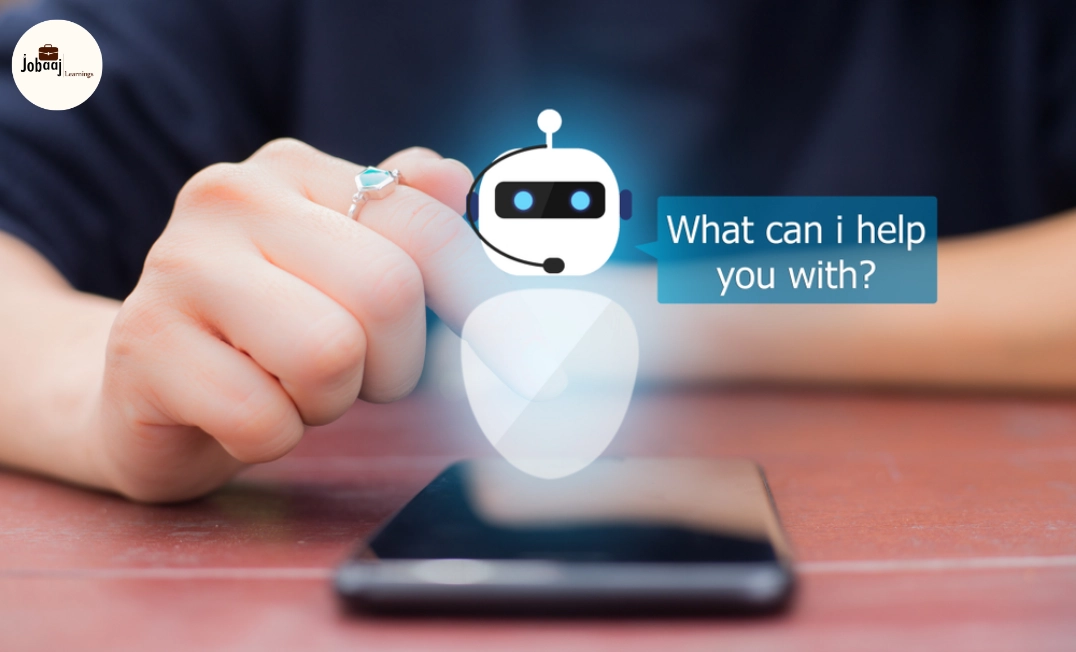
A Chatbot AI is a software application powered by Artificial Intelligence (AI) and Natural Language Processing (NLP). It interacts with users in real-time via text or voice, simulating a conversation as if you were speaking to a human representative. Chatbots are typically used in customer service, lead generation, and support, offering responses and information to users based on their queries. They can be integrated into websites, apps, and messaging platforms like WhatsApp, Facebook Messenger, and Slack.
Chatbot AI systems can be rule-based, where they follow a predefined set of commands or instructions, or they can be powered by advanced machine learning algorithms, enabling them to understand, learn, and adapt over time.
Why Are Chatbot AIs Important?
With the growth of digital technologies and the increasing demand for instant communication, Chatbot AIs have become essential for modern businesses. Here's why:
-
Instant Response: Chatbots provide users with immediate responses, improving user experience by eliminating long wait times for customer service.
-
24/7 Availability: Unlike human representatives, chatbots are available 24/7, allowing businesses to assist customers around the clock.
-
Cost Efficiency: Chatbots reduce the need for a large customer service team, lowering operational costs while maintaining high-quality interactions.
-
Personalization: With AI and machine learning, chatbots can tailor responses to individual users based on their preferences, making interactions feel more personalized.
-
Increased Engagement: Engaging conversations with users improve overall engagement, helping businesses build stronger customer relationships.
Types of Chatbot AIs
There are two main types of Chatbot AI systems: Rule-Based Chatbots and AI-Powered Chatbots.
1. Rule-Based Chatbots
Rule-based chatbots are programmed to follow a set of predefined commands or decision trees. These types of bots can answer simple and repetitive queries but lack the ability to learn or adapt to new situations. They are best suited for businesses with straightforward FAQs or simple requests.
-
Example Use Cases: Answering frequently asked questions, providing basic customer support, gathering customer information.
2. AI-Powered Chatbots
AI-powered chatbots use machine learning algorithms and natural language processing (NLP) to understand and process human language. These bots are far more advanced and can engage in more complex conversations. Over time, AI chatbots get better at responding to various queries and can even predict what a user may need next.
-
Example Use Cases: Personalized customer support, resolving complex issues, offering product recommendations, automating sales processes.
How Do Chatbot AIs Work?
Chatbot AIs work by analyzing user inputs and matching them with predefined responses or dynamically generating responses using machine learning models. Here’s a step-by-step breakdown of how a chatbot AI operates:
-
User Input: The user interacts with the chatbot, either via text or voice.
-
Natural Language Processing (NLP): The chatbot processes the input using NLP algorithms to understand the user’s intent.
-
Data Matching: Based on the understanding, the chatbot either looks up a response from a database or uses AI models to generate an appropriate reply.
-
Response: The chatbot sends the response back to the user in real-time.
-
Learning: For AI-powered chatbots, the system continuously learns from every interaction, improving its responses over time.
Benefits of Chatbot AIs for Businesses
1. Enhanced Customer Service
Chatbots provide immediate assistance, reducing wait times and improving customer satisfaction. With 24/7 availability, chatbots can address customer concerns at any time of day or night.
2. Increased Efficiency
By automating repetitive tasks, chatbots allow businesses to free up their customer service agents to focus on more complex issues. This leads to improved productivity and better service quality.
3. Lead Generation and Qualification
Chatbots can engage potential customers, qualify leads, and gather essential information, which can then be passed on to sales teams. This streamlines the sales process and increases conversion rates.
4. Cost Savings
By automating customer interactions, businesses can reduce the need for a large customer service team, cutting down on labor costs while providing consistent and efficient service.
5. Improved User Engagement
Chatbots can engage users in meaningful ways, offering product recommendations, sending reminders, and personalizing conversations. This leads to better customer loyalty and higher sales.
Popular Chatbot AI Platforms
Several platforms allow businesses to build and deploy chatbot AI systems. Here are a few popular ones:
-
Dialogflow (Google Cloud): A popular platform for building conversational interfaces using machine learning.
-
IBM Watson Assistant: Offers advanced AI tools for building conversational chatbots that can be integrated into websites and apps.
-
Chatfuel: A platform primarily used for building Facebook Messenger bots with AI-driven functionality.
-
Tars: Provides customizable chatbot templates for businesses to create lead generation chatbots.
-
ManyChat: A popular chatbot platform for businesses to create automated marketing bots on Facebook and Instagram.
Common Applications of Chatbot AIs
-
Customer Support: Chatbots handle basic inquiries, troubleshoot issues, and provide information, improving overall customer service.
-
E-commerce: Chatbots assist users with finding products, making purchases, and tracking orders, enhancing the online shopping experience.
-
Healthcare: Chatbots provide patients with instant information, book appointments, and send reminders for follow-up visits.
-
Travel & Hospitality: Chatbots help customers book flights, check availability, and provide real-time updates on their travel plans.
-
Banking and Finance: Chatbots offer account management services, answer queries, and provide financial recommendations.
Future of Chatbot AI in 2026
As we head into 2026, chatbot AI systems are expected to become even more sophisticated. Thanks to advancements in machine learning and NLP, chatbots will understand human emotions and engage in deeper, more meaningful conversations. This opens up a world of possibilities for industries such as customer service, sales, marketing, healthcare, and more.
In the future, we can expect:
-
Greater Personalization: Chatbots will offer more personalized experiences based on user behavior, preferences, and past interactions.
-
Multi-Channel Support: Chatbots will seamlessly work across multiple platforms, including social media, websites, mobile apps, and voice assistants.
-
Improved Emotional Intelligence: AI-powered chatbots will recognize user emotions and tailor responses accordingly, leading to more empathetic interactions.
Conclusion
Chatbot AI is transforming how businesses interact with customers and automate processes. Whether you're a small business owner or an enterprise looking to scale your customer service efforts, chatbot AI offers significant benefits in terms of efficiency, cost savings, and customer satisfaction. By embracing this technology, businesses can not only enhance their customer experiences but also stay ahead in an increasingly competitive market.
With the advancements happening in AI and machine learning, the future of chatbot AIs looks bright, and in 2026, they’ll likely become an integral part of every business's strategy to improve customer service and increase engagement.
Frequently asked questions
What is a Chatbot AI?
A Chatbot AI is an artificial intelligence program designed to simulate human-like conversations with users. It uses natural language processing (NLP) and machine learning algorithms to understand and respond to user inputs. Chatbot AIs are commonly used in customer service to automate interactions and provide quick responses to frequently asked questions.
How do Chatbot AIs work?
Chatbot AIs work by using algorithms to process user input and provide a relevant response. They rely on natural language processing (NLP) to understand and interpret text or voice commands. Some chatbots use machine learning to improve their responses over time, making them more accurate and effective in handling a variety of queries.
What are the benefits of using Chatbot AI?
Chatbot AI offers numerous benefits including 24/7 customer service, quick response times, cost reduction, and improved user engagement. They can handle multiple queries at once, reduce the workload on human agents, and provide personalized experiences based on user data.
What industries use Chatbot AI?
Chatbot AI is used across various industries including e-commerce, healthcare, banking, education, and customer support. It helps businesses automate interactions, streamline processes, and improve customer satisfaction by providing fast and accurate responses.
How can I integrate a Chatbot AI into my business?
To integrate a Chatbot AI, businesses can use platforms like Dialogflow, IBM Watson, or Microsoft Bot Framework. These platforms allow businesses to create, deploy, and manage chatbots for different applications such as websites, social media, and messaging platforms.

Join 5,00,000+ Subscribers
Be a part of our ever growing community.