Categories








































What is Kubernetes and Containers in Cloud Architecture? An In-Depth Guide

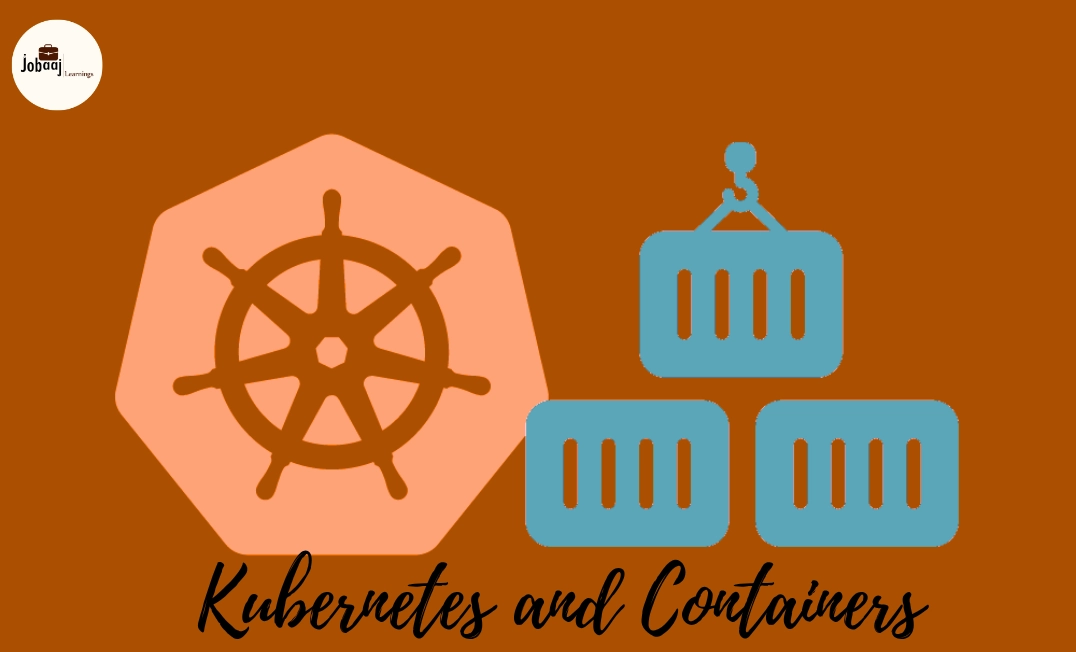
The evolution of cloud computing has brought forth new paradigms for building, deploying, and scaling applications. Among the most impactful innovations are containers and Kubernetes. These two technologies have transformed how applications are developed and managed, making them more portable, scalable, and efficient.
Exploring a career in Web Development? Apply now!
In this blog, we will explore containers and Kubernetes in-depth, discussing how they work, their benefits, and why they are crucial components of modern cloud architectures. Whether you’re a developer, student, or IT professional, this guide will provide you with essential insights into these technologies and their pivotal roles in cloud computing.
What Are Containers?
Containers are lightweight, portable units for packaging and running applications. They allow developers to bundle an application along with its dependencies (libraries, configurations, etc.) into a single unit, which can be executed anywhere—on a developer’s laptop, in a testing environment, or in the cloud.
Containers are different from traditional virtual machines because they share the host operating system's kernel, which makes them more efficient in terms of resource utilization. Containers provide a consistent environment for applications to run, eliminating the “it works on my machine” problem that often occurs when deploying software across different systems.
Key Features of Containers:
- Portability: Containers can run on any system that supports containerization, making them highly portable.
- Isolation: Each container is isolated from other containers, ensuring that dependencies and configurations do not interfere with one another.
- Efficiency: Containers share the host system's operating system, making them more efficient in resource utilization compared to traditional VMs.
- Consistency: Since all dependencies are bundled with the application, containers ensure that the application behaves consistently across different environments.
What is Kubernetes?
Kubernetes is an open-source container orchestration platform designed to automate the deployment, scaling, and management of containerized applications. Developed by Google, Kubernetes has become the de facto standard for managing containers in production environments, especially in cloud-based architectures.
At its core, Kubernetes is responsible for managing containers in a way that ensures applications are highly available, scalable, and easily maintained. Kubernetes automates tasks such as container deployment, scaling, networking, and load balancing, providing a unified approach to managing containerized applications at scale.
Key Features of Kubernetes:
- Automated Deployment: Kubernetes can automatically deploy, manage, and scale containerized applications based on user-defined configurations.
- Self-Healing: If a container fails, Kubernetes can automatically replace it with a new instance, ensuring the application remains highly available.
- Scaling: Kubernetes can scale applications up or down based on traffic demands, allowing businesses to efficiently manage resources.
- Load Balancing: Kubernetes handles load balancing by distributing incoming traffic across containers to ensure optimal resource utilization and application performance.
- Storage Orchestration: Kubernetes can automatically mount storage resources to containers, enabling persistent storage for applications that require it.
The Role of Containers in Cloud Architecture
In a cloud environment, containers enable microservices architectures, where applications are broken down into smaller, independent services that can be developed, deployed, and scaled individually. Containers offer the following benefits for cloud architecture:
1. Portability Across Clouds
Containers ensure that an application, once packaged, can run consistently across different cloud providers (AWS, Azure, GCP) and on-premise systems. This portability allows organizations to avoid vendor lock-in and provides flexibility in choosing cloud environments.
2. Efficient Resource Utilization
Containers are lightweight and can run on shared infrastructure, making them more efficient than traditional virtual machines. They enable cloud providers to maximize resource utilization and reduce operational costs.
3. Faster Development Cycles
With containers, developers can quickly spin up isolated environments for testing, deployment, and scaling. This speeds up the development process and allows for continuous integration and continuous delivery (CI/CD) pipelines, making the software release cycle more agile.
4. Consistency in Development and Production Environments
Containers eliminate the issues caused by differences between development, testing, and production environments. Since the containerized application and its dependencies are bundled together, the application will behave the same way in every environment.
The Role of Kubernetes in Cloud Architecture
Kubernetes is a game-changer in managing cloud-based applications at scale. It enables organizations to handle the complexity of deploying and managing containers in production environments. Here’s how Kubernetes plays a role in cloud architecture:
1. Efficient Container Orchestration
Kubernetes automates the management of containers, making it easy to deploy, scale, and manage them in production. It ensures that the required number of containers are always running and can automatically scale resources up or down based on demand.
2. Automatic Scaling
Kubernetes can automatically scale applications depending on the current load. If a container is experiencing high traffic, Kubernetes will add more container instances to distribute the load and maintain performance. If traffic drops, Kubernetes will scale the application down to save resources.
3. High Availability and Fault Tolerance
Kubernetes is designed to maintain high availability by ensuring that containers are always running. If a container fails, Kubernetes will replace it with a new one to ensure that the application remains operational without downtime.
4. Resource Management and Load Balancing
Kubernetes helps optimize resource allocation by scheduling containers on nodes (virtual machines or physical servers) based on available resources. It also provides load balancing, distributing traffic evenly across containers to improve performance and prevent overloading any single container.
5. Service Discovery and Networking
Kubernetes automates the discovery of services within a containerized application. It allows containers to communicate with each other securely, even as containers are constantly being added or removed from the system.
Containers + Kubernetes: A Perfect Cloud Architecture Solution
When combined, containers and Kubernetes provide a powerful solution for managing cloud-based applications. Kubernetes orchestrates the lifecycle of containers, automating processes like deployment, scaling, and self-healing, while containers provide a consistent, portable environment for running microservices-based applications.
Use Cases for Containers and Kubernetes in Cloud Architecture:
- Microservices Architecture: Containers are ideal for microservices, and Kubernetes ensures that all services are deployed, managed, and scaled seamlessly.
- CI/CD Pipelines: Containers streamline the CI/CD pipeline by allowing developers to quickly test, build, and deploy applications. Kubernetes ensures that these deployments scale efficiently in the cloud.
- Cloud-Native Applications: Containers and Kubernetes are perfect for building cloud-native applications that are designed to take full advantage of the cloud’s scalability and flexibility.
- Hybrid Cloud Deployments: Kubernetes can manage containers across multiple cloud platforms, making it easier for organizations to run hybrid cloud environments without worrying about vendor lock-in.
Conclusion
Containers and Kubernetes are critical components of modern cloud architectures, enabling businesses to build scalable, flexible, and efficient applications. Containers provide a lightweight and portable way to package applications, while Kubernetes automates the management, scaling, and orchestration of those containers in cloud environments.
As organizations continue to embrace the cloud, the adoption of containers and Kubernetes is only expected to grow, making it essential for developers and IT professionals to become well-versed in these technologies. Understanding their roles in cloud computing will give you the edge in building future-proof, scalable applications.
Dreaming of a Web Development Career? Start with Web Development Certificate with Jobaaj Learnings.
Frequently asked questions
What is the role of Kubernetes in cloud architecture?
Kubernetes is an open-source platform for automating the deployment, scaling, and management of containerized applications. It orchestrates containers, ensuring high availability, scalability, and fault tolerance in cloud environments.
How do containers work in cloud computing?
Containers package applications and their dependencies into a portable unit that can be deployed and run consistently across various environments. They allow developers to focus on code while the cloud platform handles infrastructure concerns.
What are the benefits of using containers and Kubernetes in cloud architecture?
The combination of containers and Kubernetes allows businesses to easily deploy and manage scalable applications. Kubernetes automates scaling, resource management, and fault tolerance, while containers provide a consistent environment for running applications.
What types of applications benefit from using Kubernetes and containers?
Applications that are built using microservices architecture, cloud-native applications, and CI/CD pipelines benefit the most from Kubernetes and containers. These technologies help manage complex applications, ensuring that they are scalable and efficient.
Is Kubernetes necessary for managing containers?
While containers can be managed manually, Kubernetes provides an automated, scalable solution for orchestrating containers in a production environment. It ensures high availability and optimizes resource utilization, making it ideal for managing large-scale container deployments.
Join 5,00,000+ Subscribers
Be a part of our ever growing community.