Categories














/content/learnings/assets/header/ManagementConsulting.svg)
/content/learnings/assets/header/InvestmentBanking.svg)


























What Is Stock Market Volatility? Understanding Causes, Risks, and Strategies for Managing It


Stock market volatility is one of the key concepts investors need to understand to navigate the financial markets effectively. Whether you're a seasoned trader or just starting to dip your toes into the world of investing, understanding volatility is crucial in making informed decisions and managing risk. In this blog, we’ll explore what stock market volatility is, its causes, how it affects investments, and strategies you can use to handle it.
Exploring a career in Investment Banking? Apply now!
What Is Stock Market Volatility?
Stock market volatility refers to the degree of variation in the price of stocks or other financial instruments within a specific period. Simply put, it measures how much the value of a stock or the overall market fluctuates over time. High volatility means that the market or stock prices can change rapidly and unpredictably, whereas low volatility indicates that price movements are relatively stable.
Volatility is often quantified using a statistical measure called the standard deviation, which tracks the dispersion of returns around the mean. The higher the standard deviation, the more volatile the stock or market.
Understanding Volatility: Up and Down Movements
Stock market volatility is often characterized by rapid and substantial price movements, both upward and downward. These fluctuations can be triggered by various factors, such as:
-
Economic Events: Changes in economic conditions, such as inflation, GDP growth, or unemployment rates, can cause significant volatility. For example, when economic data shows unexpected results, investors may react quickly, leading to large price movements.
-
Geopolitical Factors: Political instability, wars, or changes in government policies can also increase volatility. For instance, a sudden political crisis can send stock prices plummeting, as investors fear the potential economic consequences.
-
Company-Specific News: Corporate earnings reports, changes in leadership, or product recalls can also lead to spikes in volatility for individual stocks. News about a company’s performance can lead to drastic price changes if investors perceive the company’s future prospects to be highly uncertain.
-
Market Sentiment and Speculation: Sometimes, volatility is driven purely by market sentiment. Investors may react emotionally to news, rumors, or trends, leading to sharp price swings, even if there is little change in the underlying fundamentals.
How Volatility Affects the Stock Market
Volatility can have both positive and negative effects on the stock market. Here’s a closer look at how it influences investments:
Positive Aspects of Volatility:
-
Opportunities for Traders: For short-term traders, volatility can be a good thing. Large price fluctuations provide the opportunity to make profits by buying low and selling high in a relatively short time frame.
-
Potential for Higher Returns: Volatility can also present opportunities for long-term investors. If the market experiences a significant dip, it may present a buying opportunity for investors who believe in the long-term growth potential of certain stocks or sectors.
-
Increased Market Liquidity: When volatility spikes, trading volume typically increases. This can lead to more liquidity, allowing investors to buy and sell stocks with greater ease.
Negative Aspects of Volatility:
-
Increased Risk: For long-term investors, volatility introduces greater uncertainty. The value of an investment can decrease significantly in the short term, leading to potential losses for those who aren’t prepared for the fluctuations.
-
Emotional Investing: Volatility can cause investors to panic and make rash decisions based on short-term movements, such as selling off investments in a market downturn. This can lead to missed opportunities when prices rebound.
-
Market Instability: In periods of extreme volatility, the market may become unstable, making it difficult for investors to predict price movements or make informed decisions. A prolonged period of high volatility can harm investor confidence and lead to overall market declines.
Volatility Index: A Measure of Market Fear
One of the most widely used tools to measure stock market volatility is the Volatility Index (VIX), also known as the "fear gauge." The VIX is an index that tracks the implied volatility of S&P 500 index options over the next 30 days. The higher the VIX, the more uncertainty or fear there is in the market. Investors use this index as an indicator of expected market volatility.
-
High VIX: A VIX reading above 20 typically signals high uncertainty in the market, indicating that investors expect large price swings.
-
Low VIX: A VIX reading below 20 suggests a period of market calm and stability, with fewer expected fluctuations in stock prices.
Traders and investors use the VIX as a signal to either hedge their positions or take advantage of opportunities that arise due to market fear and volatility.
What Causes Stock Market Volatility?
Stock market volatility doesn’t happen in isolation; it’s the result of several factors, both external and internal. Here are some of the most common causes:
-
Economic Data and Reports: Economic reports such as GDP growth, inflation rates, and job reports can trigger volatility. For instance, if inflation rises unexpectedly, investors may worry about higher interest rates, which could reduce corporate profits.
-
Monetary Policy: Central bank policies, such as changes in interest rates or bond-buying programs, can have a profound impact on stock market volatility. For example, if the Federal Reserve raises interest rates, investors may sell off stocks in anticipation of reduced borrowing and slower economic growth.
-
Corporate Earnings Reports: Earnings seasons often lead to volatility as companies report their quarterly results. If a company’s earnings fall short of expectations, its stock price could drop dramatically, causing volatility within that sector or the broader market.
-
Geopolitical Events: Wars, political instability, or international trade disputes can result in higher volatility. Events like Brexit or tensions between global powers can cause uncertainty in global markets, leading to sudden market movements.
-
Global Crises: Economic or health crises, such as the COVID-19 pandemic, can lead to high volatility as investors react to the uncertainty caused by such global events.
Managing Stock Market Volatility
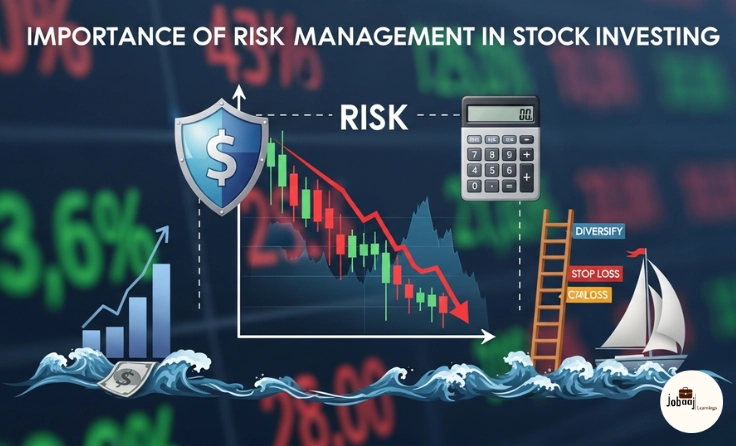
While stock market volatility is inevitable, there are several strategies investors can use to manage and mitigate its impact:
-
Diversification: One of the most effective ways to reduce the risks associated with volatility is by diversifying your portfolio. A well-diversified portfolio, spread across different sectors, asset classes, and geographic regions, can help minimize losses during volatile periods.
-
Long-Term Investing: Volatility often affects short-term price movements. However, long-term investors who focus on the fundamentals of the companies they invest in are more likely to weather volatility. A long-term perspective can help investors avoid making knee-jerk reactions based on short-term market movements.
-
Risk Management Tools: Investors can use hedging strategies, such as options or inverse exchange-traded funds (ETFs), to protect their portfolios against volatility. These tools can help offset losses during periods of high market uncertainty.
-
Stay Informed: Staying updated with financial news and understanding the market trends can help investors anticipate volatility and make informed decisions. Having a strategy in place before volatility strikes can help prevent emotional decision-making.
-
Dollar-Cost Averaging: This strategy involves investing a fixed amount of money at regular intervals, regardless of the market conditions. This approach allows you to buy more shares when prices are low and fewer shares when prices are high, reducing the impact of market fluctuations.
Conclusion
Stock market volatility is a natural part of investing, and while it can create short-term risks, it also opens up opportunities for investors who know how to manage it. By understanding what volatility is, how it impacts the stock market, and the strategies that can mitigate its effects, you’ll be better prepared to make informed decisions. Whether you are an active trader looking to capitalize on short-term movements or a long-term investor focused on building wealth over time, managing volatility is essential to achieving your financial goals.
Dreaming of a Finance career? Start with Investment Banking Certification with Jobaaj Learnings.
Frequently asked questions
What is stock market volatility?
Stock market volatility refers to the rate at which the price of stocks or other assets increases or decreases over time. High volatility means a stock or market experiences large price fluctuations, while low volatility signifies smaller price movements.
What causes stock market volatility?
Stock market volatility is often caused by various factors, including economic data, geopolitical events, company performance, market speculation, and investor sentiment. These factors can create uncertainty, driving significant price movements.
How does the Volatility Index (VIX) work?
The Volatility Index (VIX), often referred to as the "fear gauge," measures the market's expectation of future volatility. A high VIX indicates that the market anticipates greater volatility, while a lower VIX suggests a more stable market.
How can I manage stock market volatility?
Managing stock market volatility involves strategies like diversification, where you spread investments across different asset classes, and hedging, where you use financial instruments to offset potential losses. Staying informed and maintaining a long-term perspective can also help reduce the impact of market fluctuations.
Is stock market volatility a good or bad thing for investors?
Volatility can be both good and bad. For traders, it can offer opportunities to profit from price swings. For long-term investors, volatility may pose risks but can also present opportunities to buy undervalued assets. It's essential to have a strategy that aligns with your risk tolerance and investment goals.
Join 5,00,000+ Subscribers
Be a part of our ever growing community.