

 Categories








































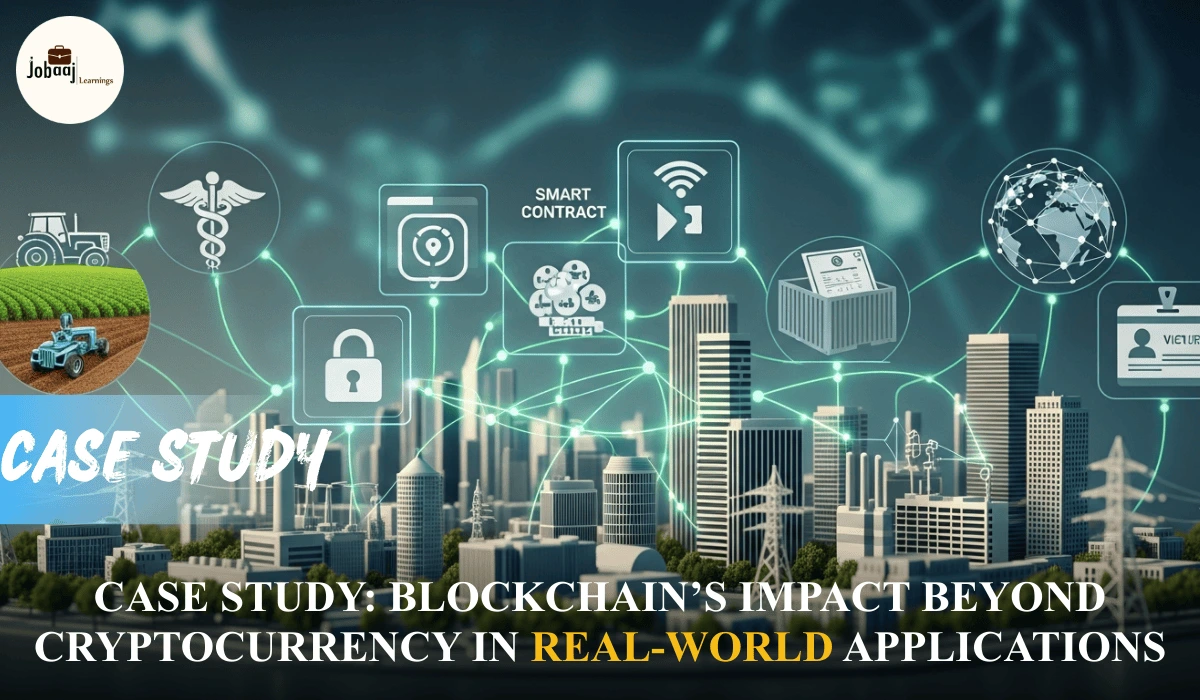
When most people hear the word blockchain, the first thing that comes to mind is probably Bitcoin or cryptocurrencies. After all, blockchain technology was initially created as the underlying system that powers Bitcoin. But what if I told you that blockchain’s potential goes far beyond just digital currencies?
Blockchain has evolved from a cryptocurrency backbone into a transformative technology that’s now shaping industries such as finance, supply chain, healthcare, voting systems, and even artificial intelligence. While the world of cryptocurrency grabbed the spotlight in the early 2010s, the real power of blockchain lies in its decentralized nature, transparency, and security features, which can be applied to many sectors beyond just finance.
This case study dives deep into how blockchain technology is making waves outside the world of cryptocurrencies and how it’s being used to revolutionize industries in ways we never imagined.
THE PROBLEM
The traditional systems of governance, record-keeping, and transactions have been efficient for decades, but they come with inherent limitations. From issues like lack of transparency and fraud to the centralization of power, traditional systems often leave room for errors, security risks, and inefficiencies.
Lack of Transparency: In many industries, there’s little visibility into how decisions are made, which goods are sourced, or how processes are followed. This leaves opportunities for fraud, inefficiency, and mistrust.
Centralization of Power: In centralized systems, one entity holds control over the entire process—whether it’s a bank, government, or large corporation. This concentration of power can result in delayed processes, increased costs, and limited access for smaller players.
Fraud and Security Risks: When it comes to sensitive data, fraud and data breaches have been significant concerns across many sectors, such as finance, healthcare, and voting. These vulnerabilities expose businesses to financial loss, reputation damage, and legal ramifications.
Blockchain addresses these challenges by offering a secure, transparent, and decentralized alternative that can benefit industries well beyond cryptocurrency.
IMPLEMENTATION OF BLOCKCHAIN IN VARIOUS INDUSTRIES
Over the years, industries across the globe have embraced blockchain to tackle the challenges posed by traditional systems. Let’s explore some of the key use cases and successful implementations.
1.Supply Chain Management
One of the most promising applications of blockchain is in supply chain management. The ability to track goods as they move through various stages of production, transportation, and delivery is critical for businesses and consumers alike.
- Improved Transparency: Blockchain’s decentralized nature ensures that every transaction or movement is recorded and immutable, creating a transparent, traceable record. This ensures the authenticity of products and eliminates fraud in the supply chain.
- Increased Efficiency: Traditional supply chains can be slow and error-prone due to manual record-keeping and human intervention. Blockchain can streamline processes by automatically updating records in real-time, improving efficiency and reducing delays.
- Case Study Example: IBM’s Food Trust Blockchain is helping food companies like Walmart track produce from farms to shelves. It has significantly reduced recalls, improved food safety, and provided consumers with information about the origin of their food.
2.Healthcare
The healthcare industry handles large volumes of sensitive data, making privacy and security paramount. Blockchain offers a way to securely share medical records and ensure they’re only accessible to authorized parties.
- Enhanced Security and Privacy: Blockchain ensures that medical data is encrypted and immutable, so patients and healthcare providers can trust that their personal information is protected.
- Interoperability: Different healthcare institutions can securely share patient records through blockchain, allowing doctors and hospitals to have access to up-to-date information and provide better care.
- Case Study Example: MedRec is a blockchain-based healthcare solution developed by MIT. It allows patients to control their medical records, giving them easy access to their history and enabling providers to have a unified, accurate medical profile of patients.
3.Voting Systems
Traditional voting systems are often criticized for their lack of transparency, vulnerability to fraud, and inefficiency. Blockchain offers an ideal solution for ensuring fair and tamper-proof elections.
- Tamper-Proof Records: Each vote is stored as a transaction on the blockchain, making it impossible to alter or manipulate once it’s been recorded.
- Increased Voter Access: Blockchain voting systems can be designed to allow remote voting, making it easier for people who may have difficulty attending polling stations, like those living abroad or in remote areas, to participate.
- Case Study Example: In 2020, West Virginia introduced a blockchain-based voting system to allow military personnel overseas to securely cast their ballots in the U.S. Presidential election. This pilot program was seen as a step toward modernizing the electoral process.
4.Intellectual Property Protection
Artists, musicians, writers, and creators face challenges in protecting their work from unauthorized use. Blockchain can help creators prove ownership of their intellectual property and ensure they’re compensated when their work is used.
- Proof of Ownership: Blockchain can store digital proofs of ownership and creation dates, ensuring that the creator can always prove they are the original author of the work.
- Smart Contracts: These self-executing contracts automatically execute transactions when specific conditions are met. This makes it easier for creators to receive royalties automatically when their work is used.
- Case Study Example: Ascribe, a blockchain-based service, allows artists to upload their digital art to the blockchain and create immutable records of ownership. This has helped artists protect their work and gain fair compensation.
KEY FINDINGS AND INSIGHTS
1.Blockchain’s Decentralized Nature: One of the standout benefits of blockchain is its decentralized architecture, which removes the need for intermediaries, reducing costs and improving trust between parties.
2.Enhanced Security: Blockchain ensures data integrity, making it an ideal solution for industries where security is critical, such as healthcare, voting, and intellectual property.
3.Transparency and Trust: Blockchain’s ability to provide transparent records has opened up new opportunities for industries where trust is key—like supply chains and financial transactions.
4.Efficiency Gains: By automating processes, reducing fraud, and improving data accessibility, blockchain can dramatically increase efficiency in various sectors.
RESULTS AND IMPACT
Blockchain has already made a significant impact on industries beyond cryptocurrency:
1.Improved Supply Chain Transparency: Companies like Walmart, Maersk, and IBM are already using blockchain to track goods, ensuring that products are ethically sourced and delivered with efficiency.
2.Healthcare Advancements: Blockchain is revolutionizing healthcare, ensuring privacy, security, and accessibility to medical records, as demonstrated by MedRec and other projects.
3.Fairer Voting Systems: Blockchain’s tamper-proof features are making elections more secure and transparent, giving governments and institutions more trustworthy voting systems.
4.Intellectual Property Protection: Creators are using blockchain to prove ownership and protect their work from piracy or unauthorized use.
LESSONS LEARNED
1.Decentralization Empowers Industries: Blockchain’s decentralized structure removes the need for central authorities, empowering individuals and businesses to interact directly with trust.
2.Blockchain’s Real-World Applications Go Beyond Crypto: While it began with cryptocurrency, blockchain’s potential spans many industries, from healthcare to supply chains to voting systems.
3.Security and Transparency Are Game-Changers: By providing tamper-proof, transparent records, blockchain enhances trust, reduces fraud, and makes industries more efficient.
4.Embrace Innovation: Blockchain has taught us the importance of staying ahead of the curve by adopting innovative solutions that solve long-standing problems.
CONCLUSION
Blockchain technology is transforming industries in ways we could only imagine a few years ago. It’s no longer just about cryptocurrencies—blockchain has proven to be a game-changer for everything from supply chain transparency to intellectual property protection. As more industries begin to adopt this technology, we can expect to see even more innovative applications emerge in the future.
With its ability to enhance security, transparency, and efficiency, blockchain is opening doors to a future where decentralized, trust-based systems can replace traditional, centralized models. The blockchain revolution has only just begun, and its potential is limitless.






