

 Categories











































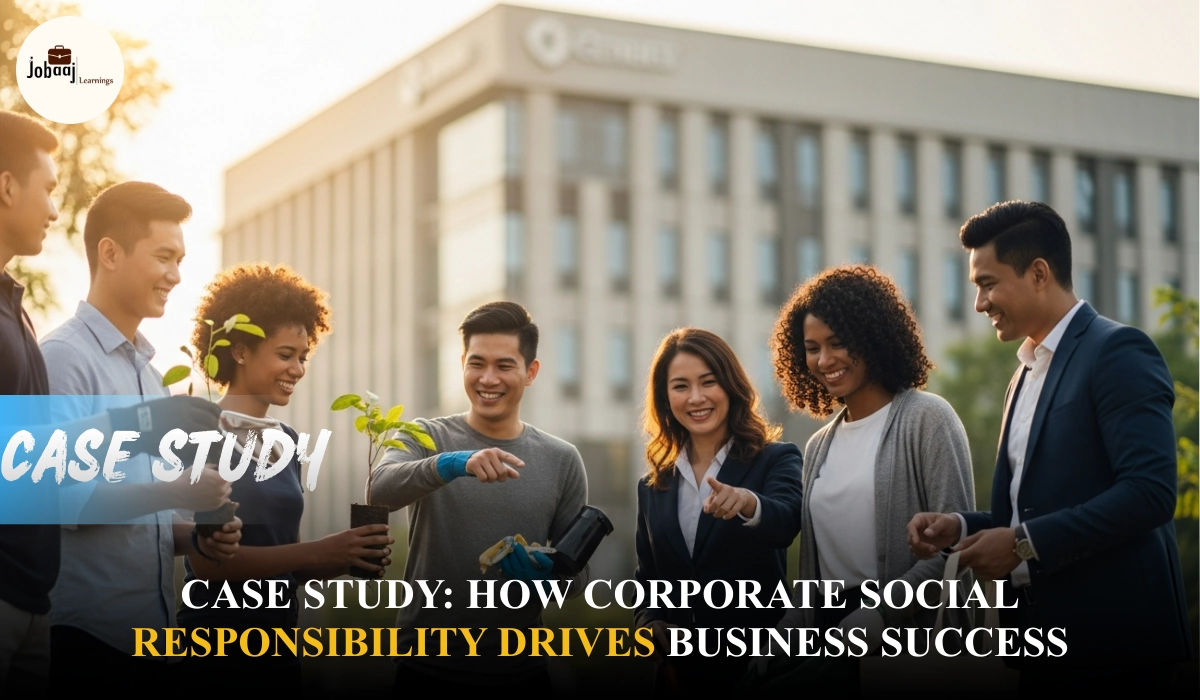
Corporate Social Responsibility (CSR) has evolved from being a nice-to-have concept into a strategic imperative. Companies that integrate CSR into their business models are not only contributing to societal well-being but are also experiencing tangible business benefits, from enhanced brand image to increased consumer trust and higher profitability.
In this case study, we’ll explore how businesses are using CSR to drive success, the impact of responsible corporate behavior on a company’s bottom line, and the long-term advantages of CSR integration.
The Problem
In the past, the business world was primarily focused on maximizing profits for shareholders, often at the expense of the environment, communities, and employees. Over time, companies realized that consumers were demanding more than just quality products—they were increasingly seeking out businesses that aligned with their values.
Businesses faced several challenges in this regard:
-
Environmental degradation and the consequences of unchecked resource extraction.
-
Worker exploitation and low wages in supply chains.
-
Lack of transparency in business operations.
-
Reputation risks arising from unethical practices.
As the world began to embrace sustainability, consumers started holding brands accountable for their actions. This shift created an urgency for businesses to rethink their approach, focusing on long-term social, environmental, and economic impact. The challenge for many companies was clear: how can they balance profitability with a positive contribution to society?
What Is Corporate Social Responsibility (CSR)?
At its core, Corporate Social Responsibility refers to a business model where companies integrate social and environmental concerns into their operations, beyond the simple pursuit of profits. The focus of CSR initiatives is to benefit society and the environment while maintaining business growth.
Key areas of CSR include:
-
Designing for longevity: Products are made to last, be repaired, and be reused.
-
Keep products in use: Instead of throwing away, we repair, refurbish, or recycle products.
-
Regenerate natural systems: Rather than depleting the earth's resources, we seek to restore and regenerate natural systems, such as using renewable energy or supporting biodiversity.
By adopting this model, businesses, governments, and consumers can move away from a “throwaway culture” and instead embrace a sustainable, regenerative approach to production and consumption.
Findings from CSR Success Stories
Over the years, numerous companies have embraced CSR and reaped significant benefits. Below are a few examples of companies that have integrated CSR into their business models, showing how it can lead to both societal benefits and business success.
1. Patagonia: Sustainability as a Core Value
Patagonia, an outdoor apparel company, is renowned for its commitment to environmental responsibility. The company has integrated sustainability into every aspect of its business model:
-
Recycled Materials: Patagonia uses recycled fabrics in its clothing and promotes the reuse of items through their Worn Wear program, where customers can buy used Patagonia gear.
-
Activism: The company donates 1% of sales to environmental causes and has a long history of taking a stand on climate change and environmental issues.
-
Fair Labor: Patagonia ensures that all their products are made under fair labor conditions, even auditing their supply chains for fair practices.
Impact:
Patagonia's commitment to CSR has made it a brand that stands for more than just its products. It has created brand loyalty among eco-conscious consumers, who view their purchases as an investment in a sustainable future. The company also reported growth in sales, demonstrating that being responsible doesn’t hurt profitability—it enhances it.
2. Ben & Jerry’s: Social Justice and Community Support
Ben & Jerry’s, the beloved ice cream company, is known for its outspoken social justice stance. The company has used its platform to advocate for progressive social causes, including:
-
Climate Change: Ben & Jerry’s supports efforts to combat climate change, including using sustainable sourcing for its ingredients.
-
Racial Justice: The company has been vocal about addressing systemic racism and has integrated these causes into its product development and messaging.
-
Fair Trade: Ben & Jerry’s ensures its ingredients are sourced through fair trade practices, which benefit small farmers and workers in developing countries.
Impact:
Through its CSR initiatives, Ben & Jerry’s has created a deep emotional connection with consumers who align with its values. The brand’s commitment to social justice and sustainability has led to increased market share and a reputation for ethical business practices, proving that standing for a cause can be profitable.
3. Unilever: Integrating Sustainability Across Its Brands
Unilever, a global consumer goods company, has embraced CSR at a corporate level through its Sustainable Living Plan. The company focuses on:
-
Reducing environmental impact: Unilever aims to halve the environmental footprint of its products by 2030.
-
Social responsibility: The company works to improve the livelihoods of millions by supporting smallholder farmers and local communities.
-
Fairness: Unilever has initiatives to ensure that its employees and suppliers adhere to human rights standards.
Impact:
Unilever's dedication to sustainable business practices has made it a leader in the FMCG sector. The company’s CSR-driven approach has led to increased consumer trust, brand differentiation, and long-term profitability, demonstrating that ethical business practices can foster competitive advantage.
Results of CSR in Business Success
After integrating CSR into their strategies, many businesses have seen tangible benefits:
1. Improved Brand Loyalty
Consumers are becoming more aware of the social and environmental impact of their purchasing decisions. Brands that are seen as ethical and responsible earn trust and loyalty from consumers, who are more likely to return to a company that shares their values.
2. Enhanced Reputation
CSR practices can boost a company’s reputation and differentiate it from competitors. Brands known for their sustainability efforts or social activism stand out in a crowded market, attracting customers who want to make a positive impact through their purchases.
3. Employee Satisfaction and Retention
Employees are increasingly looking for employers that share their values. Companies with strong CSR practices tend to have higher employee satisfaction, retention, and engagement, as workers feel proud to be part of a company that contributes positively to society.
4. Long-Term Profitability
While CSR initiatives may require initial investments, many companies find that they result in cost savings, such as reducing waste or energy consumption, and new revenue streams, such as eco-friendly products or partnerships with non-profits.
Challenges and Considerations for Implementing CSR
While CSR can bring numerous benefits, businesses also face challenges when implementing it:
-
Initial Costs: Transitioning to circular systems often requires significant investment in new processes, technologies, and infrastructure.
-
Consumer Behavior: Some consumers may view CSR initiatives as greenwashing (i.e., marketing tactics that falsely portray a company as more eco-friendly than it is). Transparency and authenticity are key to overcoming this.
-
Measuring Impact: It can be difficult to measure the long-term effects of CSR initiatives, making it hard for businesses to track ROI accurately.
However, businesses that have made the switch are finding that the long-term benefits far outweigh these initial hurdles. Innovation and consumer education are key to overcoming these challenges.
Conclusion
Corporate Social Responsibility is no longer just a trend—it’s a strategic approach to business that drives long-term success. As we move into 2026, companies that integrate sustainability, ethical governance, and social impact into their business models are poised to thrive. From building consumer trust and brand loyalty to fostering employee satisfaction and profitability, CSR is a proven path to success in today’s world.
For businesses looking to stay relevant and competitive, embracing CSR isn’t just a good idea—it’s a necessity. Whether you're a small start-up or a global corporation, the circular model of responsibility not only benefits the world but also your bottom line. The future of business isn’t just about profits; it’s about purpose, and companies that get this will be the ones leading the way in the years to come.
Was that tough?
Think you won't make it in the field of Digital Marketing?? Don't worry, we got you!
Click Here to join hundreds of other aspiring individuals who aim to become Performance Marketers and help mega-corporations run their next successful marketing campaign!
Join our latest cohort NOW!!





