

 Categories








































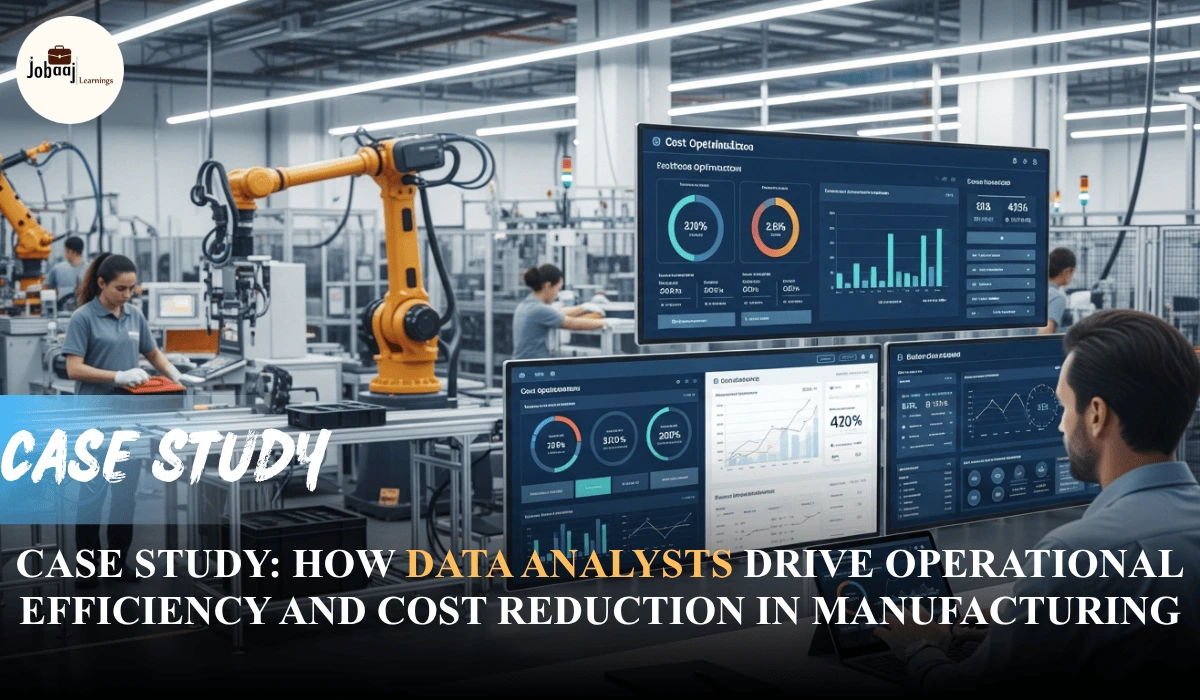
In the highly competitive world of manufacturing, companies constantly face pressure to maintain their market share while simultaneously striving for growth. The journey is rarely simple, especially in mature markets where growth seems to slow down. If you're a business analyst working in this space, one of the most important questions you might ask yourself is: how can we turn around our sales performance and drive meaningful growth?
This was the exact challenge faced by a leading manufacturing company—let’s call it ABC Manufacturing. Despite its long history and market dominance, ABC Manufacturing was seeing its margins squeezed due to rising production costs, outdated processes, and inefficiencies within its operations.
For business analysts, the task of identifying bottlenecks, streamlining processes, and uncovering opportunities for cost savings can be daunting, yet incredibly rewarding. In this case study, we explore how ABC Manufacturing tackled its operational challenges, the steps they took to optimize costs, and the lessons they learned along the way.
The Challenges: Roadblocks to Operational Efficiency
ABC Manufacturing faced several challenges that were impacting its overall efficiency and cost structure:
-
High operational costs: Rising raw material prices, labor costs, and energy expenses were increasing overall production costs.
-
Outdated processes: Many of the manufacturing processes were outdated, leading to inefficiencies in production and wasted resources.
-
Supply chain inefficiencies: Delays in sourcing raw materials, miscommunication between suppliers, and poor inventory management were increasing costs and extending lead times.
-
Underutilization of technology: Despite advances in automation and data analytics, ABC Manufacturing was still relying on manual processes in key areas, which were slowing down production and increasing the risk of human error.
These challenges were not just limiting ABC Manufacturing’s ability to stay competitive; they were threatening its very survival in an industry that was becoming increasingly dependent on efficiency and cost-effectiveness.
The Strategy: Streamlining Operations and Cutting Costs
To solve these problems, ABC Manufacturing’s leadership team partnered with a group of business analysts to develop a comprehensive strategy aimed at improving operational efficiency and optimizing costs. The strategy was built around four key pillars:
-
Process Optimization and Lean Manufacturing
The first step in the strategy was to streamline operations. ABC Manufacturing implemented lean manufacturing principles, which focus on minimizing waste and improving productivity. Analysts used value stream mapping to identify inefficiencies and bottlenecks in the production line. By eliminating non-value-adding activities, reducing downtime, and optimizing workflows, the company was able to achieve a 20% reduction in production time.A significant part of this process was the introduction of cross-functional teams to ensure smoother communication between departments. The teams were tasked with identifying opportunities for continuous improvement and driving change at every level of the operation.
-
Technology Integration for Automation
Recognizing the importance of automation, ABC Manufacturing started investing in robotics, IoT sensors, and predictive maintenance technologies to reduce manual work and improve system reliability. These technologies allowed the company to monitor equipment performance in real-time, predict breakdowns, and schedule maintenance before issues arose.For example, by integrating smart sensors into its machinery, the company was able to detect abnormalities in equipment performance early, preventing costly breakdowns and unplanned downtime. Automation of key production steps also resulted in labor savings and increased throughput, contributing to cost reductions.
-
Supply Chain Optimization
ABC Manufacturing also addressed inefficiencies in its supply chain. By implementing a just-in-time (JIT) inventory system, the company was able to reduce inventory holding costs and improve its ability to meet demand without overstocking. The company worked closely with key suppliers to improve communication, streamline delivery schedules, and reduce lead times.Furthermore, they introduced advanced demand forecasting techniques using historical data, which allowed them to better predict raw material requirements and plan purchases accordingly. This not only reduced inventory costs but also improved cash flow by minimizing capital tied up in unsold stock.
-
Employee Training and Engagement
One of the most important elements in achieving sustainable operational efficiency was employee buy-in. ABC Manufacturing focused on training its workforce to operate efficiently within the new systems and to embrace the changes brought about by automation. The company offered continuous training programs on new technologies, lean principles, and process optimization.By involving employees at all levels and providing incentives for performance improvement, the company fostered a culture of efficiency and accountability, which was critical for the long-term success of the strategy.
Key Insights: What the Data Revealed
As the strategy began to take shape, the business analysts closely tracked key metrics to measure the impact of their efforts. Some of the most important findings included:
-
Improved productivity: The lean manufacturing processes led to a 15% increase in overall production efficiency, with fewer delays and reduced cycle times.
-
Cost reductions: Automation and process optimization led to a 25% reduction in labor costs and a 15% reduction in raw material wastage.
-
Better supply chain efficiency: The JIT inventory system reduced inventory holding costs by 20% and improved cash flow.
-
Increased profit margins: With the new technology and automation, ABC Manufacturing saw a significant increase in profit margins—a 10% improvement in profitability over the year.
Results: A Streamlined, Cost-Optimized Operation
After implementing the new strategy over 12 months, ABC Manufacturing saw remarkable improvements in both operational efficiency and cost optimization:
-
Revenue remained stable while costs were significantly reduced, resulting in a 15% increase in net profit.
-
Production throughput increased by 20%, allowing the company to fulfill more orders without expanding facilities.
-
Employee satisfaction also improved, as workers felt more engaged in the process and saw tangible rewards for their contributions to the company’s success.
-
The company gained market share back from competitors by offering high-quality products at competitive prices, made possible by the savings from operational improvements.
The company’s leadership team was pleased with the results, and the operational efficiency initiatives set the stage for sustainable growth in the future.
Key Takeaways: Lessons for Business Analysts
From this case study, business analysts can draw several important lessons:
-
Data is Critical: The ability to collect, analyze, and act on data is fundamental in optimizing operations. Business analysts should focus on improving data integration and analytics capabilities across the business.
-
Technology is a Game-Changer: Automation and predictive technologies can revolutionize efficiency. By investing in smart technology, companies can reduce costs, avoid downtime, and boost productivity.
-
Employee Engagement: Involving employees in the process and providing ongoing training ensures a smoother transition and higher buy-in for any changes made.
-
Streamline the Supply Chain: Even small improvements in the supply chain—such as adopting JIT inventory or improving demand forecasting—can yield significant cost reductions and improve cash flow.
-
Continuous Improvement: Operational efficiency isn’t a one-off project—it’s an ongoing process. Business analysts must continue to track performance and suggest improvements as the market, technology, and business needs evolve.
Conclusion
For business analysts working in the manufacturing sector, this case study highlights the importance of operational efficiency and cost optimization in driving profitability. By adopting a data-driven approach and integrating automation and lean principles, ABC Manufacturing was able to overcome its challenges and pave the way for future growth. The strategy not only helped optimize costs but also enhanced productivity, employee satisfaction, and overall competitiveness.
For any manufacturing company, embracing these principles can lead to significant improvements in both the short-term and long-term. By continually assessing operations, adapting to market needs, and leveraging technology, businesses can stay ahead of the curve and thrive in today’s fast-paced, competitive landscape.
Don’t worry, you’re not alone. Business analytics might seem challenging at first, but with the right mentorship, it becomes one of the most empowering skills you can acquire.
Click the link below to join our program, where Rakshit Vig and Shiva Vashishth, industry experts, will guide you through every essential concept of Business Analytics. Learn how to interpret business data, uncover trends, and make smarter decisions that drive real results. Turn raw information into strategic insight and gain the confidence to excel in the data-driven world!
Join our latest cohort NOW and step into the future of business analytics!
[Disclaimer: This case study is entirely hypothetical and unrelated to real-world situations. It's designed for educational purposes to illustrate theoretical concepts and potential scenarios within a given context. Any similarities to actual events or individuals are purely coincidental.]






