

 Categories








































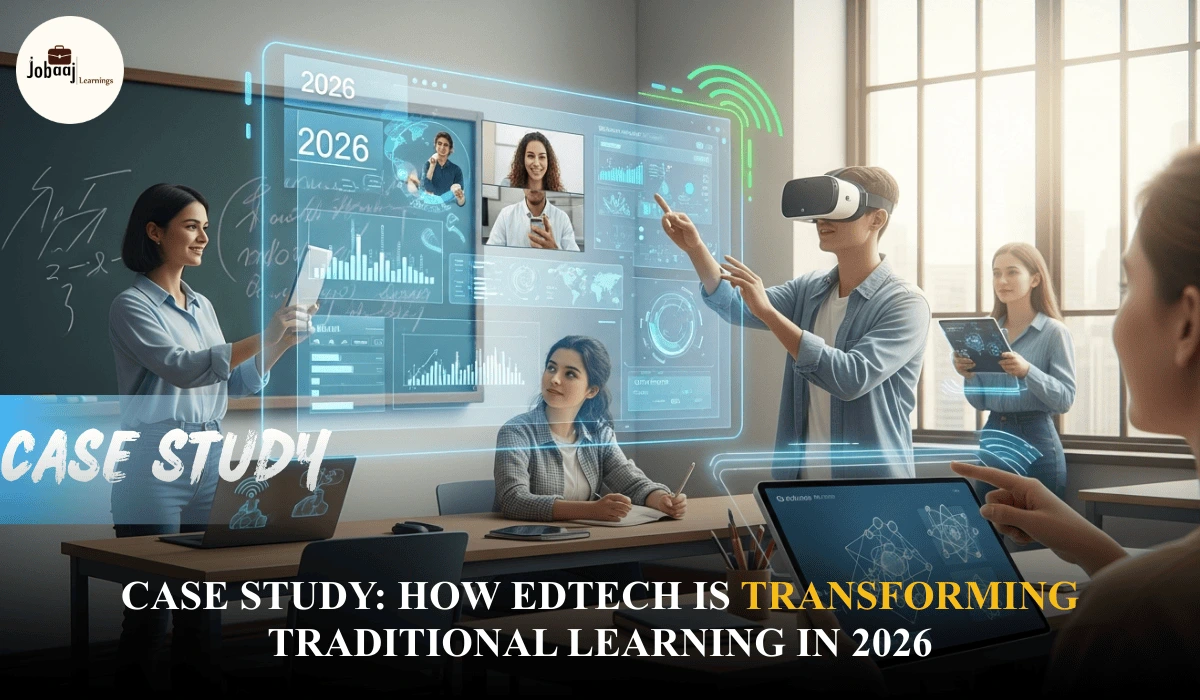
The education sector has been undergoing a dramatic transformation, especially in the last few years. While the traditional classroom model has served us for centuries, technology has gradually started to reshape how we approach learning. At the forefront of this revolution is EdTech, a term used to describe the integration of technology into education. With tools ranging from online courses and interactive learning platforms to virtual classrooms and AI-driven personalized learning, EdTech is changing the way students learn, interact with content, and even connect with teachers.
In this case study, we’ll explore how EdTech is challenging the traditional learning models, the key benefits of integrating technology into education, and real-world examples of how this transformation is unfolding. By examining both the challenges and the results, we’ll better understand how EdTech is not just enhancing but transforming traditional learning methods in 2026.
The Problem
For many years, the model of traditional education has been consistent: face-to-face lectures, physical classrooms, textbooks, and exams. While this model has certainly produced successful graduates, it has also come with its share of limitations:
-
One-Size-Fits-All Approach: Traditional education often treats all students the same, ignoring the fact that each learner has unique needs, abilities, and learning speeds.
-
Limited Flexibility: Traditional education models are rigid, with fixed schedules and locations, which may not accommodate everyone, especially working professionals or students with limited access to educational institutions.
-
Passive Learning: In a typical classroom, students often passively absorb information from a lecture, without much engagement or interaction. This approach can result in lower retention and less interest in the subject matter.
-
Inequality of Access: Many students face barriers to access, whether it’s due to geographical limitations, financial constraints, or a lack of local educational resources. Traditional learning doesn’t always provide a solution for these challenges.
These challenges have created a demand for innovative alternatives that can offer personalized, flexible, and accessible learning.
The Solution
Enter EdTech a revolutionary force transforming the learning experience. From personalized online learning platforms to virtual classrooms and AI-driven tutoring, EdTech is opening up new ways to learn and teach. Here are some key ways in which EdTech is addressing the limitations of traditional learning:
1.Personalized Learning Experiences
Unlike the traditional classroom, where all students are taught the same way, EdTech tools allow for personalized learning. With the help of AI and machine learning, platforms can assess students' strengths and weaknesses, adapting the curriculum to meet each individual’s learning style and pace.
-
Adaptive Learning Platforms: Tools like Khan Academy, Coursera, and Duolingo personalize the learning experience, offering tailored lesson plans, quizzes, and interactive challenges that adapt to the learner’s progress.
-
AI Tutors: Platforms like Socratic use AI to provide students with instant feedback, guiding them through problem-solving in subjects like math and science.
2.Flexibility and Accessibility
EdTech breaks down the geographical and financial barriers that limit traditional education. Students can now learn from anywhere in the world, at their own pace, and at times that suit their schedules.
-
Online Courses: Websites like edX, Udemy, and Skillshare offer a wide range of subjects, making learning accessible to anyone with an internet connection. Students can learn from top universities or expert instructors without the need to attend physical classrooms.
-
Remote Learning: Virtual learning environments, powered by tools like Zoom and Google Classroom, have made it possible for students to attend classes and complete assignments from the comfort of their homes.
3.Interactive and Engaging Learning Methods
Traditional learning can often be monotonous, especially for younger generations accustomed to interactive content in their everyday lives. EdTech brings interactive elements into education, transforming passive learning into an engaging experience.
-
Gamified Learning: Platforms like Kahoot! and Quizlet use gamification to make learning fun, motivating students through rewards and challenges.
-
Simulations and Virtual Labs: For subjects like medicine, engineering, and biology, VR and AR provide students with hands-on experiences. Medical students can practice surgeries virtually, while engineering students can work with prototypes in simulated environments.
4.Bridging Gaps in Education
EdTech has the potential to democratize education by reaching students who might otherwise not have access to quality learning.
-
Global Learning Platforms: With online platforms like Coursera and LinkedIn Learning, students from remote or underserved regions can take courses from world-renowned universities and institutions. This helps bridge the education gap for students in developing countries or underserved communities.
-
Affordable Education: Many online courses are offered at lower costs, or even for free, making education more affordable and accessible to students from different economic backgrounds.
Findings
As more and more institutions and students turn to EdTech, some important trends and findings have emerged:
1.Enhanced Student Engagement and Retention
EdTech platforms that leverage interactive content, multimedia resources, and gamification have seen higher levels of student engagement. Students are more likely to stay motivated and retain information when learning is dynamic and interactive.
-
Higher Retention Rates: Studies show that students in interactive learning environments tend to retain information longer than those in traditional settings.
-
Active Participation: The shift from passive learning to active problem-solving in online and VR-based environments has led to greater participation and enthusiasm for learning.
2.Increased Access to Education
As online learning grows in popularity, more students from different backgrounds are able to access high-quality education. In countries where quality education may be limited or expensive, EdTech has allowed students to take courses from top institutions at a fraction of the cost.
-
Global Learning Communities: EdTech platforms have facilitated the creation of global classrooms, where students from diverse backgrounds can interact, collaborate, and share perspectives, enriching the learning experience.
3.Personalized Learning Paths Lead to Better Outcomes
By using AI-driven insights and adaptive learning algorithms, EdTech platforms can deliver personalized learning experiences that result in improved outcomes. Students can study at their own pace, revisit challenging concepts, and receive instant feedback on their performance.
-
Higher Completion Rates: Personalized learning is helping increase course completion rates as students feel more supported and capable of achieving success.
Results
The results of EdTech’s impact on education are transformative:
-
Wider Reach and Enrollment: Universities and learning platforms offering VR-based labs and interactive courses have seen increased enrollment and participation from global students.
-
Improved Learning Outcomes: Schools and universities implementing personalized learning tools and virtual classrooms have reported improved student satisfaction, engagement, and better academic results.
-
Institutional Innovation: Institutions adopting EdTech solutions have gained a competitive advantage in the marketplace, attracting tech-savvy students and securing better funding and partnerships.
Challenges and Considerations
While EdTech is revolutionizing education, there are still challenges to overcome:
-
Technological Barriers: Not all students have access to the devices or high-speed internet required for VR-based or online learning. Institutions must ensure accessibility for all.
-
Teacher Training: Educators need proper training and support to integrate new technology into their teaching methods effectively. Without this, EdTech may not reach its full potential.
-
Data Privacy: With the rise of AI-powered platforms, there are concerns about the privacy and security of student data. It’s crucial for institutions to adopt secure systems and ensure that data is handled responsibly.
Conclusion
EdTech has truly redefined the traditional learning experience, making education more interactive, personalized, and inclusive. From virtual classrooms to AI-powered learning tools, the possibilities are endless. In 2026, EdTech is not just an enhancement to education it is the future of how we learn.
As technology continues to evolve and become more accessible, we can expect the role of EdTech to expand even further, opening up new opportunities for students, teachers, and institutions alike. The transformation of traditional learning through innovation and adaptability is creating a more inclusive, engaging, and efficient educational system that benefits everyone involved.
Don’t worry, you’re not alone. Data analysis might seem intimidating at first, but with the right guidance, it becomes an exciting and valuable skill to master.
Click the link below to join our program, where Rakshit Vig and Shiva Vashishth, industry experts, will teach you everything you need to know about Data and Business Analytics. Learn to turn complex data into actionable insights and never feel overwhelmed again!
Join our latest cohort NOW and unlock the world of data!
[Disclaimer: This case study is entirely hypothetical and unrelated to real-world situations. It's designed for educational purposes to illustrate theoretical concepts and potential scenarios within a given context. Any similarities to actual events or individuals are purely coincidental.]






