

 Categories








































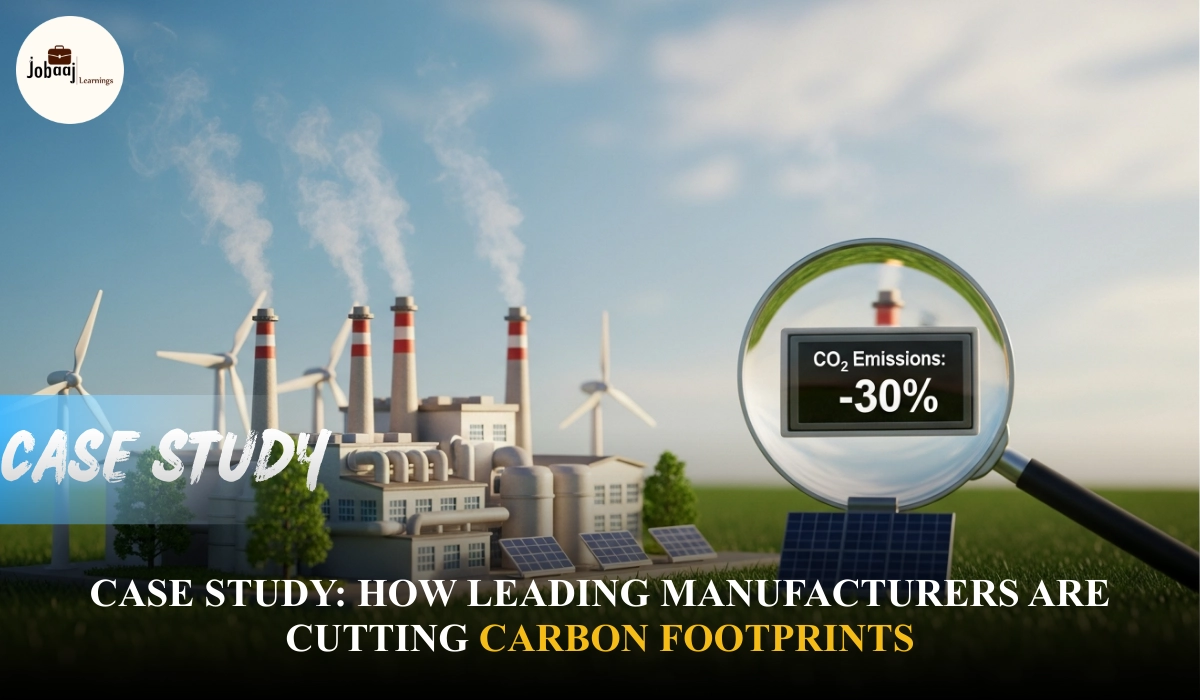
As industries grow, so does their impact on the environment. Manufacturing, one of the largest sectors driving economic development, is also one of the biggest contributors to carbon emissions. From energy consumption to raw material extraction, the process of turning raw materials into finished goods requires significant energy, often derived from fossil fuels. As the world grapples with climate change, the need to reduce carbon footprints in manufacturing has never been more urgent.
In this case study, we’ll explore how the manufacturing industry is taking bold steps toward reducing its carbon footprint. We’ll look at the strategies implemented by leading companies, their challenges, and the results they’ve achieved in their journey toward sustainability.
The Problem
The manufacturing sector is vital to global economies, but it also has a significant environmental impact. The traditional manufacturing processes are energy-intensive and often rely on carbon-heavy energy sources like coal and natural gas. This leads to high carbon emissions, resource depletion, and environmental pollution. The key challenges in reducing carbon footprints in manufacturing include:
-
High Energy Consumption: Manufacturing processes like casting, molding, and refining are energy-intensive.
-
Waste Generation: From raw material waste to packaging, manufacturing can produce a significant amount of waste.
-
Inefficient Supply Chains: The transportation and logistics involved in manufacturing often contribute significantly to carbon emissions.
-
Fossil Fuel Dependency: Many manufacturing plants still depend on coal, oil, or natural gas for energy, which increases their carbon output.
These factors contribute to the carbon footprint, which directly impacts climate change, air quality, and the overall sustainability of the planet. Reducing these emissions has become not just a responsibility, but a business necessity.
The Approach
The transition to sustainable manufacturing is a complex, multifaceted challenge, but several key strategies are emerging as crucial steps in reducing carbon emissions.
1. Energy Efficiency Improvements
One of the most effective ways to reduce carbon emissions in manufacturing is to improve energy efficiency. This involves upgrading machines, automating processes, and utilizing energy-efficient technologies. For example, replacing outdated equipment with modern, energy-efficient alternatives can significantly reduce energy consumption.
Some companies are also investing in smart manufacturing technologies that help optimize energy use in real time. These systems use IoT sensors and data analytics to monitor and control energy consumption, ensuring that power is only used when and where it’s needed.
2. Switching to Renewable Energy Sources
Another major step in reducing carbon footprints is transitioning from fossil fuels to renewable energy sources. Solar, wind, and geothermal energy are becoming more cost-effective alternatives for manufacturing plants. Several leading manufacturers have already taken steps to switch to clean energy sources to power their operations.
For example, Tesla's Gigafactories run on renewable energy, significantly reducing the carbon footprint associated with producing electric vehicles. Similarly, Unilever and Nestlé have committed to powering their manufacturing facilities with renewable energy.
3. Sustainable Material Sourcing
The materials used in manufacturing often come with a significant carbon cost, especially if they are sourced from non-renewable or energy-intensive processes. Companies are now focusing on sourcing raw materials sustainably whether by using recycled materials, working with suppliers who prioritize sustainability, or choosing materials with a lower environmental impact.
For example, Patagonia, the clothing manufacturer, sources sustainable fabrics and raw materials for its products. Similarly, Interface, a global carpet manufacturer, has committed to using recycled nylon and bio-based materials to reduce the environmental impact of its products.
4. Waste Reduction and Circular Economy
Reducing waste is another key strategy for reducing carbon footprints. In manufacturing, waste is generated at every stage from raw material extraction to finished goods. Zero-waste manufacturing involves cutting down on the amount of waste produced through processes like recycling, reusing materials, and designing products for easier disassembly.
Manufacturers are also adopting circular economy principles, where products are designed with the intent of being reused, recycled, or refurbished. Companies like BMW are implementing circular manufacturing principles, making their cars more recyclable and reducing waste from production.
5. Carbon Offsetting and Carbon Capture Technologies
In cases where emissions are unavoidable, companies can use carbon offsetting programs, which involve investing in projects that reduce or absorb an equivalent amount of carbon elsewhere. Companies are also investing in carbon capture technologies that remove carbon dioxide from the air during the production process.
For example, Microsoft has committed to becoming carbon negative by 2030, using both carbon capture and offsetting projects to reduce its emissions.
Findings and Insights
The findings from manufacturers who have implemented carbon reduction strategies show promising results:
-
Reduced Carbon Emissions: Many companies have seen a significant reduction in their carbon emissions after transitioning to renewable energy, implementing energy-efficient technologies, and improving waste management.
-
Cost Savings: Surprisingly, many of these sustainability initiatives have led to reduced operational costs. Energy savings from efficient technologies and waste reduction efforts have helped companies cut down on their energy bills and material costs.
-
Brand Loyalty and Market Leadership: Consumers today are more environmentally conscious. Companies that commit to reducing their carbon footprints often see increased customer loyalty and brand value. This commitment also positions them as leaders in sustainability, making them more attractive to investors and partners.
-
Regulatory Compliance: Many countries are introducing stricter regulations related to carbon emissions. By adopting green manufacturing practices, companies can stay ahead of regulations and avoid potential fines or penalties.
Challenges Faced in Reducing Carbon Footprints
Despite the many benefits, there are several challenges that companies face in reducing their carbon footprints:
-
High Initial Investment: While long-term savings are significant, the initial investment in renewable energy infrastructure, technology upgrades, and sustainable materials can be substantial.
-
Industry-Specific Barriers: Some industries, like steel and cement production, still rely heavily on carbon-intensive processes, making it harder to reduce emissions without significant technological innovation.
-
Supply Chain Complexity: A sustainable supply chain requires cooperation across multiple levels, and ensuring that all suppliers align with sustainability goals can be challenging.
Results and Outcomes
Many companies are already seeing remarkable results from their efforts to reduce their carbon footprints:
-
Tesla: The Gigafactory, with its reliance on renewable energy and sustainable manufacturing practices, has significantly reduced its carbon emissions per vehicle produced. Tesla’s commitment to sustainability is a key selling point for its eco-conscious customers.
-
Unilever: By using renewable energy in its manufacturing plants, Unilever has reduced its emissions by 50% in the past decade, with plans to reach carbon neutrality in the coming years.
-
Interface: The carpet manufacturer has reduced its carbon footprint by over 96% since launching its sustainability program, making it one of the leaders in sustainable manufacturing.
Conclusion
Reducing carbon footprints in manufacturing is no longer a choice it’s a necessity. As the world moves toward sustainability, manufacturers must adapt and adopt greener practices to remain competitive. The journey may require significant upfront investment, but the long-term benefits far outweigh the challenges. By embracing energy efficiency, renewable energy, waste reduction, and carbon offsetting, companies can not only reduce their environmental impact but also improve their bottom line and build stronger relationships with environmentally conscious consumers.
In the years to come, the manufacturing industry will continue to evolve, and the focus on reducing carbon footprints will play a crucial role in shaping a sustainable, green future for the planet.
Don’t worry, you’re not alone. Data analysis might seem intimidating at first, but with the right guidance, it becomes an exciting and valuable skill to master.
Click the link below to join our program, where Rakshit Vig and Shiva Vashishth, industry experts, will teach you everything you need to know about Data and Business Analytics. Learn to turn complex data into actionable insights and never feel overwhelmed again!
Join our latest cohort NOW and unlock the world of data!
[Disclaimer: This case study is entirely hypothetical and unrelated to real-world situations. It's designed for educational purposes to illustrate theoretical concepts and potential scenarios within a given context. Any similarities to actual events or individuals are purely coincidental.]






