

 Categories








































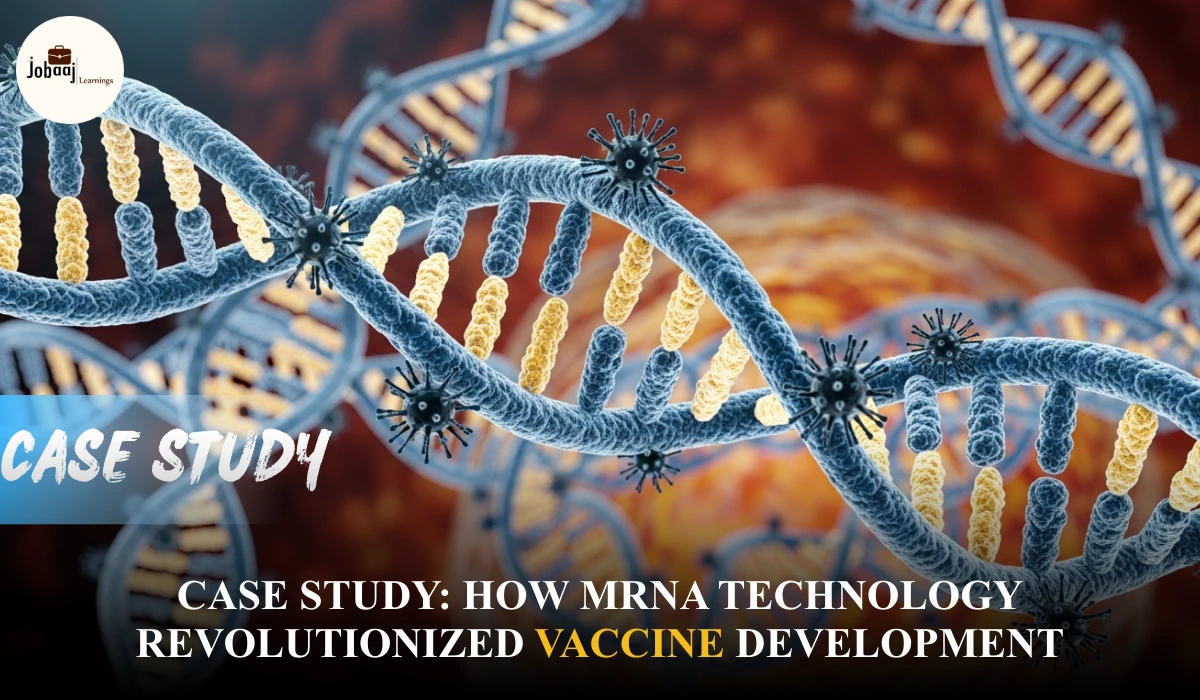
In the face of the COVID-19 pandemic, the world needed a rapid and effective solution to combat the virus. Traditional vaccine technologies took too long to develop, and global demand for a solution skyrocketed. Enter mRNA technology—a cutting-edge approach that revolutionized vaccine development.
Unlike conventional vaccines, which use weakened or inactivated viruses to stimulate the immune system, mRNA vaccines teach cells to produce a protein similar to one found on the virus surface, triggering an immune response. This groundbreaking technology allowed for the rapid development of vaccines like Pfizer-BioNTech and Moderna against COVID-19. Let’s explore the journey of mRNA technology, its challenges, and the tremendous impact it had on vaccine development.
Background
Before the introduction of mRNA vaccines, the development of vaccines took years—often a decade or more. The traditional vaccine platforms required large-scale production of live viruses, which posed significant challenges in terms of time, cost, and safety. mRNA technology was viewed as an experimental, futuristic approach, primarily confined to research labs.
In late 2019, when the world faced the outbreak of COVID-19, a sense of urgency swept through the scientific community. Researchers needed a solution that could be deployed quickly and effectively on a global scale. This is where mRNA technology emerged as a game changer, offering a faster, safer, and potentially more adaptable solution to combat the virus.
Problem
The main challenge was the global urgency to develop a vaccine at an unprecedented speed, combined with the growing demand for vaccines in the middle of a global pandemic. Traditional vaccine production was no longer an option. Researchers needed an innovative approach that could be scaled quickly without compromising on efficacy or safety.
Additionally, the challenges extended beyond just vaccine development. Once the vaccines were ready, they needed to be distributed worldwide—ensuring that storage, transportation, and administration were seamless and effective. With mRNA technology, there was a need to prove that this method could not only work at a large scale but also be safely deployed on millions of people across the globe.
Approach / Strategy
Researchers and biotech companies like Moderna and Pfizer-BioNTech adopted mRNA technology to create vaccines that could be developed and manufactured faster than traditional methods. This is how they approached the challenge:
-
Speed: Traditional vaccines require cultivating a virus or bacteria in large quantities before extracting the antigens. With mRNA, scientists only needed the virus’ genetic sequence to start producing the mRNA code. This drastically reduced the time it took to produce a vaccine from years to just a few months.
-
Scalability: mRNA vaccines can be synthesized in the lab, allowing for large quantities to be produced without the need for biological cultivation. The scalability of mRNA production meant that hundreds of millions of doses could be manufactured and distributed worldwide.
-
Safety: The mRNA itself doesn’t contain the virus but instead carries the genetic instructions to make a protein found on the surface of the virus. This makes it a safer option, as there’s no live virus involved in the vaccine.
-
Collaboration: The rapid development was possible due to an unprecedented collaboration between scientists, healthcare professionals, governments, and biotech companies. Funding and support for research, clinical trials, and regulatory approval processes were expedited to ensure fast deployment.
Key Findings
-
Speed of Development: The success of the mRNA vaccines proved that a vaccine could be developed at a rapid pace, with both the Pfizer-BioNTech and Moderna vaccines being developed in less than a year, a milestone that was once thought impossible.
-
Efficacy: Early clinical trials showed that the mRNA vaccines were highly effective in preventing COVID-19, with efficacy rates around 95% for Pfizer-BioNTech and 94% for Moderna. This far exceeded initial expectations for any vaccine developed in such a short time frame.
-
Global Reach: The mRNA vaccines were distributed across the world at an unparalleled scale. The Pfizer and Moderna vaccines were among the first to be approved for emergency use in various countries, marking a new era in vaccine distribution.
-
Adaptability: The flexibility of mRNA technology also allows it to be rapidly adapted for use against emerging variants of the virus. Vaccine manufacturers can modify the mRNA code to account for mutations and variants, making mRNA vaccines a dynamic tool in the ongoing fight against pandemics.
Results
The success of mRNA vaccines in combating COVID-19 has had far-reaching implications for the field of vaccine development:
-
Revolutionized Vaccine Development: mRNA technology has forever changed how vaccines are developed, opening up possibilities for faster responses to emerging infectious diseases. This could drastically shorten timelines for vaccines against future pandemics.
-
Widespread Vaccination: Millions of people around the world have received mRNA-based COVID-19 vaccines, significantly reducing the spread of the virus and saving countless lives.
-
Future Potential: The success of mRNA vaccines has led to research into using the technology for other diseases, such as HIV, Zika, flu, and even cancer. The speed, adaptability, and safety of mRNA technology make it a promising candidate for future vaccine development across various medical fields.
Lessons Learned
-
Innovation Can Happen Fast: The rapid development and deployment of mRNA vaccines have taught us that innovation can happen faster than we often believe. With the right resources, collaboration, and support, significant breakthroughs can be achieved.
-
The Power of Adaptability: One of the key lessons from the success of mRNA vaccines is the importance of adaptability. mRNA technology can be quickly modified to address new strains and variants of viruses, making it a flexible solution for evolving health challenges.
-
Collaboration is Key: The mRNA vaccine success story highlights the importance of global collaboration in solving critical challenges. When governments, scientists, healthcare providers, and corporations work together, they can achieve the impossible.
Conclusion
The development of mRNA technology has been nothing short of revolutionary. The speed, safety, and effectiveness of mRNA vaccines have changed the way we approach vaccine development and have opened doors to new possibilities in the world of medicine. The success of the COVID-19 mRNA vaccines has not only provided a pathway to ending the pandemic but also laid the groundwork for future vaccines and treatments for a wide range of diseases. With mRNA technology, the future of vaccine development looks brighter and more promising than ever before.
Don’t worry, you’re not alone. Data analysis might seem intimidating at first, but with the right guidance, it becomes an exciting and valuable skill to master.
Click the link below to join our program, where Rakshit Vig and Shiva Vashishth, industry experts, will teach you everything you need to know about Data and Business Analytics. Learn to turn complex data into actionable insights and never feel overwhelmed again!
Join our latest cohort NOW and unlock the world of data!
[Disclaimer: This case study is entirely hypothetical and unrelated to real-world situations. It's designed for educational purposes to illustrate theoretical concepts and potential scenarios within a given context. Any similarities to actual events or individuals are purely coincidental.]






