

 Categories









































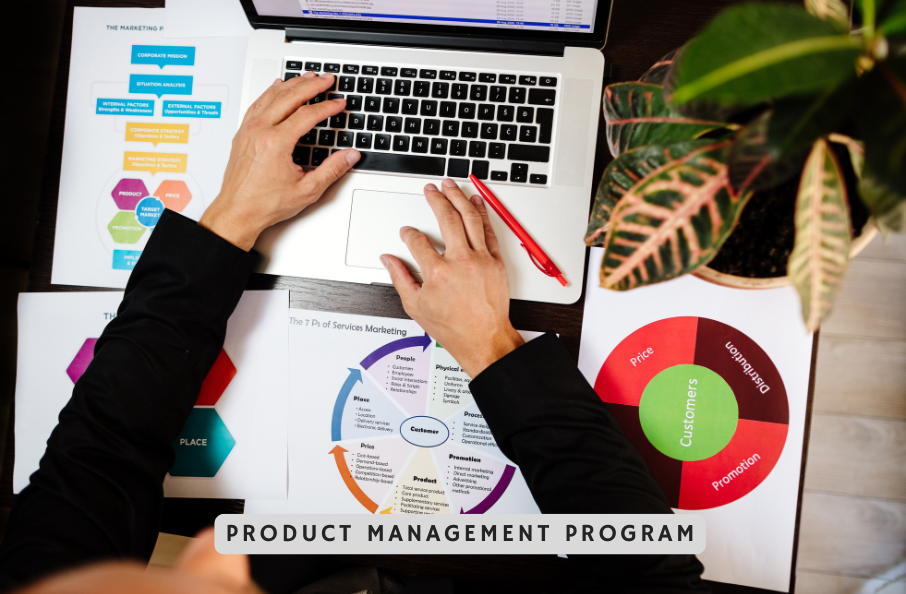


The launch of a new mobile app is one of the most challenging and rewarding tasks in the world of product management. As companies across various industries recognize the importance of mobile apps for engaging with their customers, the need for a well-executed product development process has never been greater. This case study explores the journey of a mobile app from the initial concept to a successful market launch, with a special focus on the product management practices that were employed.
From market research to defining features, developing the app, testing, and strategizing for launch, managing the entire process requires a strategic vision, excellent team collaboration, and a focus on user-centric design. This case study highlights how a tech company approached the mobile app development process, navigating the complexities of the industry, and creating an app that resonates with users.
Problem
Before embarking on the development of the app, the company faced several challenges that needed to be addressed in order to ensure the app’s success:
- Identifying the market need: The company had a solid app concept but needed to validate whether it was solving a significant pain point for the target audience.
- Designing a user-centric app: Ensuring the app’s design was intuitive, engaging, and aligned with user needs was critical for gaining adoption in a competitive market.
- Development roadblocks: The team faced challenges in selecting the right technology stack, ensuring cross-platform compatibility, and managing the development process within a fixed timeline.
- User engagement strategy: A strong post-launch engagement strategy was needed to keep users interested and ensure a high retention rate after the initial download.
- Budget and time constraints: The startup faced budgetary limitations, making it essential to prioritize features and launch the app on time while remaining within financial constraints.
Findings
The product management team conducted a thorough analysis of the mobile app development process. The findings provided valuable insights into the areas that needed attention:
- Inadequate market validation:
Initial research showed that while the app idea was innovative, there was uncertainty regarding the exact target audience and their willingness to use the app. Market validation was necessary to ensure the app would meet real user needs. - Lack of clear product vision:
While the team had a general idea of what the app should do, there was a lack of clarity regarding the core features and value proposition. A well-defined product vision was needed to guide the development process. - Technology selection and compatibility:
The technical team had to make several key decisions regarding the technology stack. The decision to go cross-platform required careful planning to ensure that the app would work seamlessly across both iOS and Android platforms. - Team collaboration and communication:
The app development involved multiple teams product managers, developers, designers, and marketers. Effective collaboration was critical to ensure that all stakeholders were aligned on the project’s objectives, timelines, and deliverables. - Marketing strategy:
A robust marketing strategy needed to be crafted, including pre-launch buzz, user acquisition strategies, and post-launch campaigns. The company also had to ensure that the app’s App Store Optimization (ASO) would make it easily discoverable by users.
Product Management Approach
To address the challenges and ensure a successful launch, the product management team followed a structured and user-centered approach to product development:
1. Market Research and Customer Validation
The first step was conducting in-depth market research and validating the product idea through user interviews, surveys, and focus groups. The goal was to understand:
- The target audience: Who would benefit most from this app?
- The pain points: What specific problems were users facing that the app could solve?
- Competitor analysis: How did similar apps perform in the market, and how could this app offer unique value?
The team used the insights from this research to refine the app’s features and value proposition.
2. Defining Product Vision and Roadmap
Once the market was validated, the product vision was clearly defined. The product team worked on creating a product roadmap that outlined the app’s core features, milestones, and deadlines. The roadmap focused on:
- Prioritizing must-have features for the first release.
- Ensuring the app would be scalable and able to add new features in future updates.
- Setting clear expectations regarding the timeline, budget, and resources.
3. Agile Development Process
To ensure flexibility and quick iteration, the development team followed an agile methodology. This approach allowed for continuous testing and feedback, helping the team to:
- Release regular updates and prototypes.
- Quickly address any bugs or issues.
- Incorporate user feedback into the development process.
The development process was divided into sprints, allowing the team to focus on small, manageable tasks while continuously progressing toward the app's final launch.
4. Design Thinking and User Experience
A crucial aspect of the product development process was designing a user-friendly app. The design team focused on user-centric design principles, ensuring that:
- The interface was intuitive, and users could navigate the app easily.
- The visual design was appealing and aligned with the brand.
- The app was optimized for both iOS and Android platforms, ensuring consistency across devices.
Prototypes and wireframes were created and tested with real users to validate the design before development began.
5. Marketing Strategy and Pre-Launch Activities
As the app neared completion, the marketing team worked on creating a pre-launch buzz through various channels:
- Social media campaigns: Engaging posts and teasers about the upcoming app.
- Influencer partnerships: Collaborating with influencers to create anticipation around the launch.
- Email marketing: Building a waiting list through email sign-ups to generate interest.
The team also focused on App Store Optimization (ASO) to ensure the app would appear in relevant searches.
6. Launch and Post-Launch Engagement
The app was officially launched with a well-planned campaign that included:
- A launch event (virtual or in-person) to showcase the app.
- Paid advertisements on social media and Google to drive traffic to the app’s download page.
- Ongoing user engagement strategies, such as push notifications, in-app promotions, and user feedback surveys.
The team continued to monitor user reviews and feedback, working quickly to resolve any post-launch issues and implement improvements.
Results
After launching the app, the results were overwhelmingly positive:
- High User Adoption:
The app quickly gained traction, with a significant number of downloads within the first month of launch. Positive user reviews and ratings on both App Store and Google Play reflected its success. - Strong Retention Rates:
Post-launch engagement strategies, including push notifications and regular feature updates, helped maintain high user retention and engagement. - Revenue Generation:
The company successfully monetized the app through in-app purchases and premium features, resulting in steady revenue generation. - Brand Visibility:
The app’s successful launch led to increased brand recognition and visibility for the company in the tech industry. The app became a key part of the company’s digital transformation and expansion.
Conclusion
The successful launch of the mobile app highlights the importance of effective product management throughout the entire development process. From market research to design thinking, agile development, and post-launch marketing, each step played a crucial role in ensuring the app’s success. By staying focused on the user, the company was able to deliver a product that met the market’s needs and exceeded expectations.
This case study reinforces that with the right strategies, an organized approach to development, and a strong focus on user experience, companies can successfully navigate the complex process of launching a mobile app.
Could you solve it?
Think you can last in the competitive world of Product Management?? No?
Don't worry. Click on the link to join hundreds of other people who aspire to be Product Managers. With professional instructors working in the industry, you will be able to learn how the competitive world of Product Management works and increase your chances of getting recruited as one!
Join our latest cohort NOW!!
[Disclaimer: This case study is entirely hypothetical and unrelated to real-world situations. It's designed for educational purposes to illustrate theoretical concepts and potential scenarios within a given context. Any similarities to actual events or individuals are purely coincidental.]





