

 Categories









































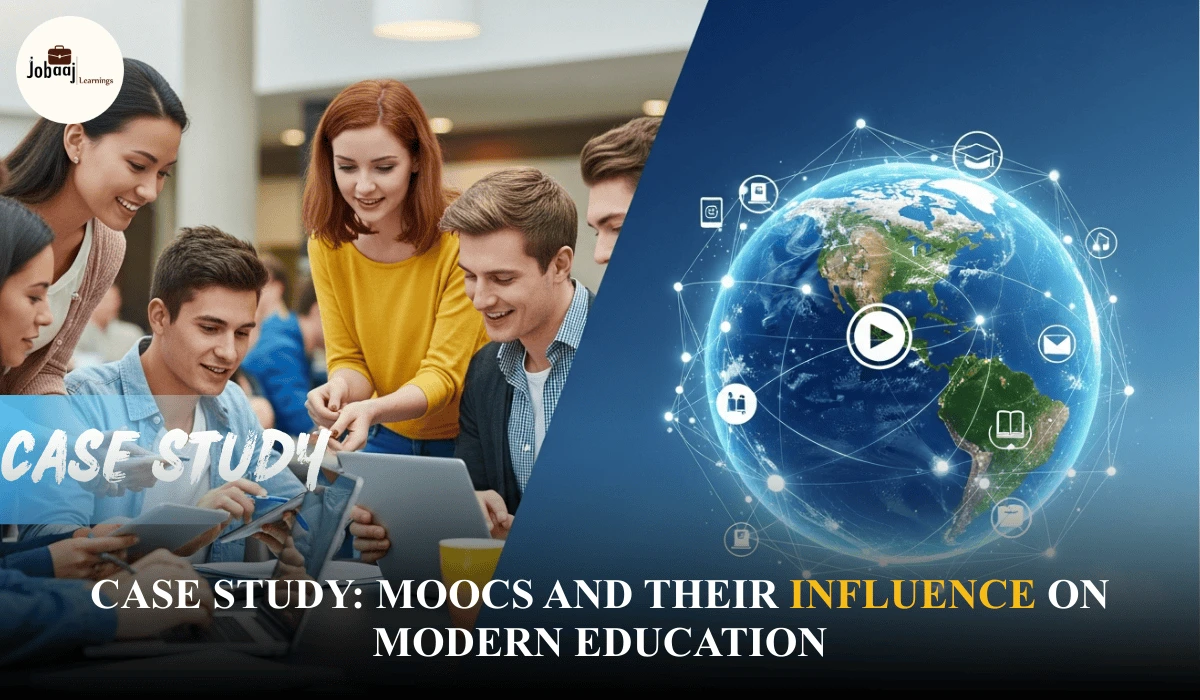
The rise of Massive Open Online Courses (MOOCs) has changed the way people learn, making education more accessible than ever before. Imagine being able to take a course at the world’s most prestigious universities without ever leaving your home this is what MOOCs offer. From computer science to history, these online platforms are offering a wealth of courses to learners worldwide.
In this case study, we explore how MOOCs have influenced modern education. We’ll look at the impact they’ve had on learners, institutions, and educators, and how they’ve transformed the education landscape. By understanding the key features and challenges of MOOCs, we can better appreciate their role in shaping the future of education.
Problem
Before the advent of MOOCs, access to quality education was often limited by geographical location, financial resources, and time constraints. Many students, particularly from developing countries, found it challenging to afford the high costs of university education or travel to countries with top-tier institutions. Furthermore, traditional classroom settings offered limited flexibility in terms of learning schedules and course availability.
The key problem was: How can we make high-quality education accessible to everyone, regardless of their location, financial situation, or schedule?
Enter MOOCs online platforms offering free or low-cost courses from top universities and institutions worldwide. MOOCs promised to democratize education by providing learners with easy access to knowledge and learning tools, bridging the gap between traditional education and modern digital possibilities.
What Are MOOCs?
MOOCs are online courses that are designed to be accessible to a large number of participants, regardless of their location or background. These courses typically consist of video lectures, readings, assignments, and discussion forums, all hosted on online platforms. Some of the most well-known MOOC platforms include Coursera, edX, and Udemy.
MOOCs provide learners with a unique opportunity to learn from esteemed universities and organizations, such as Harvard, MIT, and Stanford, without the need for traditional enrollment. They offer both free and paid versions of their courses, with certificates and credentials available for those who complete them successfully.
Implementation Strategy
The success of MOOCs can be attributed to several key factors:
1. Access to World-Class Education
MOOCs have made education more inclusive by offering high-quality courses from renowned institutions. Courses are available to anyone with an internet connection, and many are free to access, which removes the financial barriers to education.
2. Flexibility and Convenience
MOOCs offer self-paced learning, enabling students to take courses when it’s convenient for them. Learners can study at their own speed, balancing coursework with their professional and personal lives.
3. Wide Range of Courses
MOOCs cover a broad range of topics, from programming and business to literature and philosophy. This variety ensures that people with diverse interests can find courses suited to their learning needs and career aspirations.
4. Collaborative Learning
Many MOOC platforms provide discussion forums where students can engage with peers, ask questions, and collaborate on assignments. This fosters a sense of community and allows students to learn from one another.
5. Certification and Recognition
Some MOOCs offer certificates that can be used to enhance a learner's resume or CV. While not always as widely recognized as traditional degrees, these certificates are valuable in certain industries and can help individuals gain employment or career advancement.
Findings
The integration of MOOCs into the educational landscape has led to significant changes in how people learn:
1. Increased Accessibility
MOOCs have provided access to high-quality education to learners in rural areas, developing countries, and underserved populations who previously had limited access to top-tier education. For instance, students from countries with limited educational resources now have the opportunity to learn from universities like Harvard and Oxford without ever leaving their homes.
2. Learning at Your Own Pace
One of the most significant benefits of MOOCs is the ability to learn at your own pace. For learners who work full-time or have busy schedules, this flexibility has proven to be a game-changer, allowing them to balance education with their personal and professional commitments.
3. Lifelong Learning
MOOCs have helped foster a culture of lifelong learning, encouraging individuals to continue their education throughout their careers. Whether for career advancement, skill development, or personal enrichment, MOOCs provide the opportunity to acquire new knowledge at any stage in life.
4. Cost-Effectiveness
Compared to traditional university programs, MOOCs are often much cheaper or free, which makes education more affordable. Many MOOCs offer free access to course materials, and even for paid certificates, the cost is typically much lower than enrolling in a full-time degree program.
5. Skill Development for the Job Market
MOOCs offer a wide variety of career-focused courses, helping students gain specific skills in areas like data science, programming, marketing, and finance. This has proven particularly beneficial for people looking to upskill or switch careers without committing to years of traditional study.
Results
Here are some tangible results observed after the widespread adoption of MOOCs:
|
Outcome |
Observed Result |
|
Accessibility to Education |
Increased access to high-quality learning worldwide, especially in developing regions. |
|
Student Engagement |
MOOCs saw a significant increase in learners’ engagement, with students actively participating in courses across continents. |
|
Flexible Learning |
Learners were able to tailor their education to fit their personal schedules, boosting long-term completion rates. |
|
Cost-Effectiveness |
Many students completed MOOCs at little to no cost, eliminating financial barriers to education. |
|
Job Market Impact |
Learners gained career-ready skills through industry-focused MOOCs, improving job prospects and career mobility. |
The overall impact of MOOCs has been substantial, providing individuals with affordable, flexible, and high-quality educational opportunities that they might not have had access to otherwise.
Lessons Learned
Through the success of MOOCs, several lessons have emerged:
1. The Power of Flexibility
One of the key reasons MOOCs have flourished is their flexibility. Offering courses that learners can take at their own pace and on their own schedule makes education more accessible to a wider audience.
2. The Importance of Collaboration
Even though MOOCs are online and self-paced, the value of collaborative learning cannot be overstated. Discussion forums and peer feedback allow learners to engage with one another, creating a sense of community despite physical distance.
3. Making Education Affordable
The affordability of MOOCs is another major factor contributing to their popularity. By offering many courses for free or at a lower cost than traditional university courses, MOOCs have made education more inclusive.
4. Need for Credential Recognition
Although MOOCs have proven to be highly effective in skill-building, the challenge remains around the recognition of their credentials. While some industries embrace MOOC certificates, others are slow to recognize them as valid qualifications. This gap remains an ongoing issue for learners looking to leverage their MOOC learning for career advancement.
Conclusion
MOOCs have revolutionized the education landscape by making quality learning more accessible, affordable, and flexible. By offering an extensive range of courses and certifications from top universities, they have empowered millions of learners worldwide to develop new skills, advance their careers, and contribute to their communities.
As we move further into the digital age, MOOCs are likely to continue evolving, with even more personalized, interactive, and career-driven learning experiences. The key to their success lies in their ability to adapt to the needs of a diverse, global audience and offer relevant, impactful education in an ever-changing world.
Was that difficult?
Think being a Management Consultant is too hard?? Fear not.
Click on the link here to join our program where Shubham Agarwal, a professional management consultant, will teach you all about the exciting field of Management Consultancy and make sure simple case studies like these never scare you!
Join our latest cohort NOW!!
[Disclaimer: This case study is entirely hypothetical and unrelated to real-world situations. It's designed for educational purposes to illustrate theoretical concepts and potential scenarios within a given context. Any similarities to actual events or individuals are purely coincidental.]





