

 Categories








































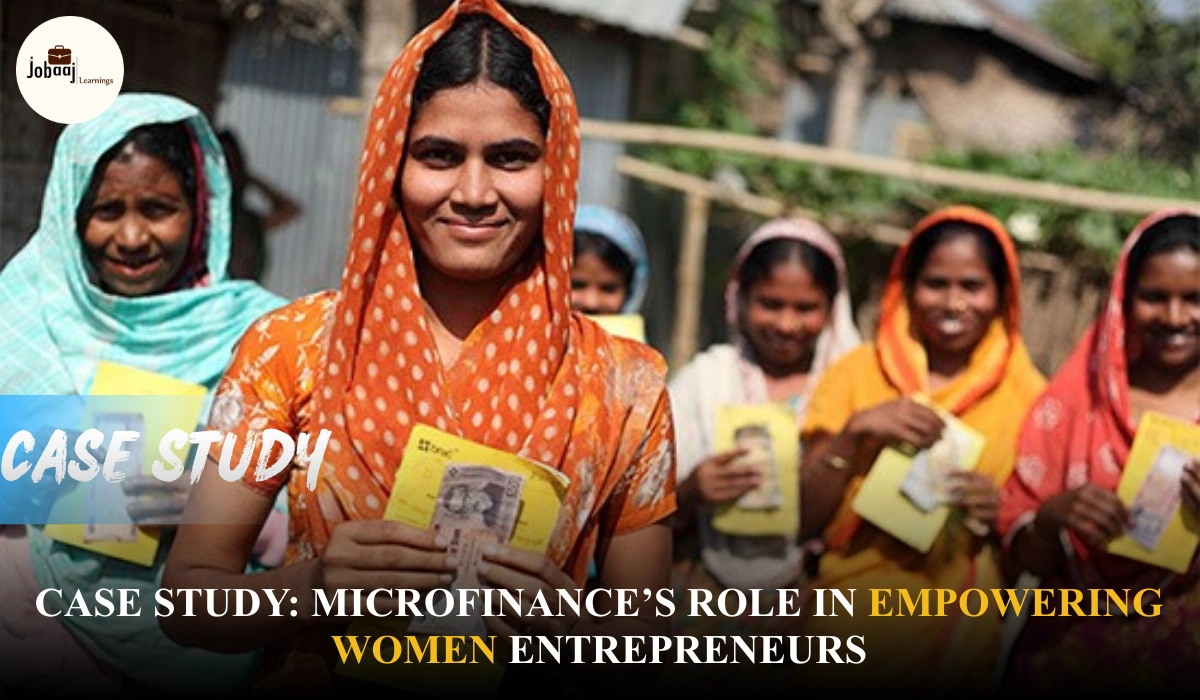
In the world of entrepreneurship, women have faced numerous challenges. From limited access to capital to societal barriers, women often struggle to turn their business ideas into reality. However, microfinance institutions (MFIs) have emerged as a game-changer in empowering women, especially in developing countries. By providing small loans, training, and resources, microfinance institutions have unlocked opportunities for women entrepreneurs to thrive and contribute to their families, communities, and economies. This case study explores the significant role microfinance plays in empowering women entrepreneurs, focusing on real-life examples and the impact of these institutions.
The Problem
In many parts of the world, especially in developing regions, women face systemic barriers when starting or running businesses. These barriers include:
-
Limited access to finance: Traditional financial institutions often hesitate to provide loans to women due to perceived risks or because of women's limited collateral and financial history.
-
Cultural and societal norms: In many societies, women are still expected to adhere to traditional roles, limiting their opportunities to engage in business ventures or manage finances.
-
Lack of education and skills: Women entrepreneurs often lack formal education or the specific business training needed to scale their operations successfully.
These barriers create significant obstacles for women who aspire to run businesses but struggle to find the resources and support they need.
The Solution
Microfinance institutions have emerged as a powerful solution to address these challenges. These institutions focus on providing small loans (microloans) to individuals who are typically excluded from traditional banking systems. By offering loans with more flexible terms and providing business training, microfinance institutions empower women to overcome financial and societal barriers and run successful businesses.
How Microfinance Empowers Women Entrepreneurs
-
Access to Capital: Microfinance institutions offer small, low-interest loans that are typically easier for women to access compared to traditional bank loans. These loans are often used for working capital or to fund small-scale business ventures, enabling women to start or grow their businesses.
-
Training and Education: Microfinance programs often include training in business skills, financial literacy, and marketing. This training equips women with the knowledge and skills needed to run their businesses effectively, improving their chances of success.
-
Social and Community Support: Many microfinance institutions operate through group lending models, where women form support networks to help each other succeed. This communal approach fosters solidarity, increases accountability, and reduces the stigma often associated with women-run businesses.
-
Financial Independence: By enabling women to run their own businesses, microfinance helps foster financial independence. As women generate their own income, they gain the ability to make decisions that improve their family's well-being and can even reinvest in their communities.
Case Example: Grameen Bank and the Rise of Women Entrepreneurs
One of the most well-known examples of microfinance’s impact is Grameen Bank, founded by Dr. Muhammad Yunus in Bangladesh. Grameen Bank's mission was to provide financial services to the poor, especially women, who were traditionally excluded from access to credit. The bank's group lending model allowed women to borrow small sums of money and form groups to support each other.
Over the years, Grameen Bank has provided microloans to millions of women, helping them start businesses in sectors such as agriculture, handicrafts, retail, and services. Many of these women, who would have otherwise been excluded from traditional banking systems, have been able to build sustainable businesses, improve their households' financial status, and even contribute to the local economy.
Findings
As microfinance has expanded globally, the benefits to women entrepreneurs have become more evident. Here are some of the key findings from the rise of microfinance programs:
-
Increased Economic Participation: Microfinance has helped increase the number of women participating in economic activities. With access to capital and business support, women are able to break free from poverty and contribute to the economy.
-
Empowerment and Gender Equality: The ability to generate income has empowered women and increased their status within their households and communities. By becoming financial decision-makers, women challenge traditional gender roles and assert their place in society.
-
Improved Family Welfare: Women entrepreneurs often reinvest a significant portion of their earnings back into their families, improving education, health, and overall quality of life. Their businesses become the cornerstone of financial stability for their families.
-
Strengthened Communities: As women entrepreneurs grow their businesses, they create jobs, improve local economies, and contribute to their communities' development. These women serve as role models for others, inspiring other women to take the entrepreneurial path.
Results
One of the success stories of microfinance is the transformation of rural women in India, particularly in the states of Kerala and Tamil Nadu. Through microfinance institutions such as SEWA (Self-Employed Women's Association) and SKS Microfinance, women have gained access to financial services and have been able to run profitable businesses.
For example, a woman in rural Tamil Nadu who took out a microloan to start a dairy farm saw her income grow steadily, enabling her to send her children to school and reinvest in her business. Similarly, women involved in small-scale retail businesses, handicrafts, and agriculture have successfully expanded their operations, benefiting from the microloans and training provided by MFIs.
In Bangladesh, the success of Grameen Bank has been mirrored by many other microfinance institutions, helping thousands of women start businesses, educate their children, and gain financial independence. These women are now leading small cooperatives and are significantly improving their communities’ welfare.
Challenges and Considerations
While microfinance has proven to be a powerful tool for empowering women, there are still challenges to consider:
-
High-interest rates: Some microfinance institutions charge higher interest rates, which can create a financial burden for borrowers. It is crucial for institutions to balance the need for financial sustainability with affordability for borrowers.
-
Limited loan sizes: The small loan amounts may limit the ability of women entrepreneurs to scale their businesses significantly. While microloans can help with initial capital, larger loans may be necessary to expand operations.
-
Financial education: Although many microfinance programs offer business training, financial literacy remains a challenge for many women entrepreneurs. Without proper financial management skills, some may struggle to manage their loans effectively.
Conclusion
Microfinance has proven to be an invaluable tool in empowering women entrepreneurs, particularly in developing countries. By providing access to capital, training, and community support, microfinance institutions are helping women break through economic barriers and become successful business owners. In the future, continued innovation in microfinance, such as digital lending platforms and financial inclusion initiatives, will further empower women and improve their access to economic opportunities.
As microfinance continues to evolve, its role in supporting women entrepreneurs will only grow, offering new pathways for women to improve their lives, their families’ well-being, and their communities.
Don’t worry, you’re not alone. Data analysis might seem intimidating at first, but with the right guidance, it becomes an exciting and valuable skill to master.
Click the link below to join our program, where Rakshit Vig and Shiva Vashishth, industry experts, will teach you everything you need to know about Data and Business Analytics. Learn to turn complex data into actionable insights and never feel overwhelmed again!
Join our latest cohort NOW and unlock the world of data!
[Disclaimer: This case study is entirely hypothetical and unrelated to real-world situations. It's designed for educational purposes to illustrate theoretical concepts and potential scenarios within a given context. Any similarities to actual events or individuals are purely coincidental.]






