

 Categories











































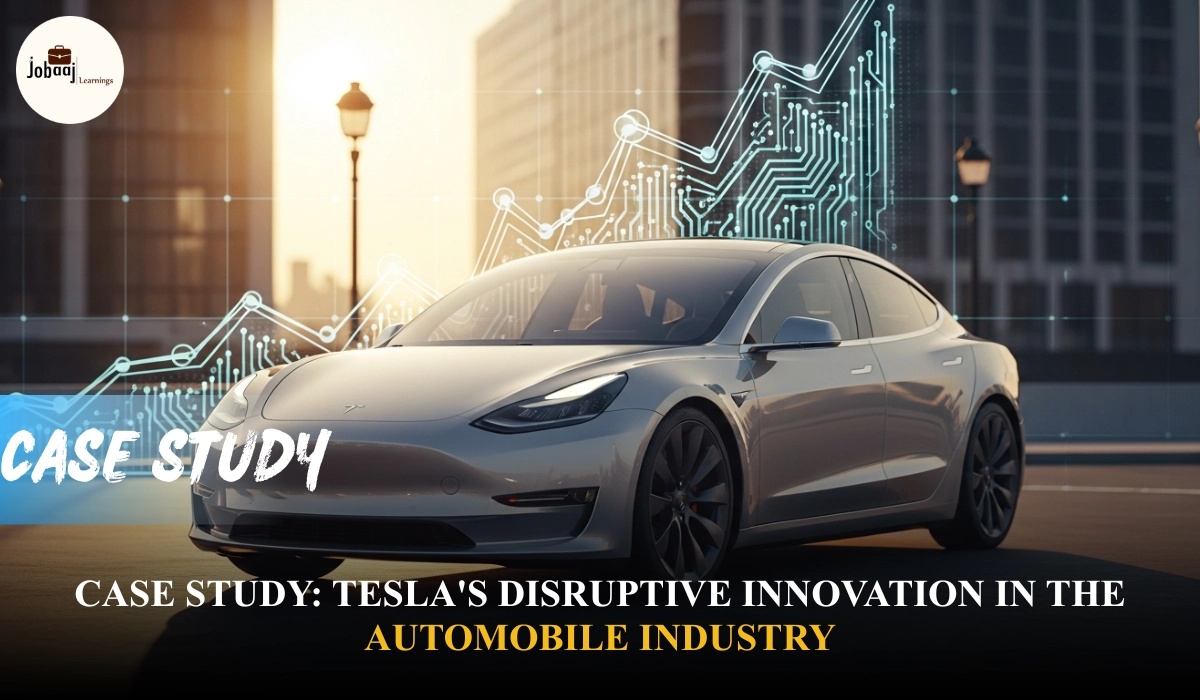
A time when electric cars were considered a novelty—slow, impractical, and out of reach for the average consumer. The world of automobiles was dominated by traditional combustion engines, and electric vehicles (EVs) seemed more like an afterthought. But then, something revolutionary happened. Enter Tesla, a company that defied all odds and completely disrupted the industry, turning what was once a dream of a greener, cleaner world into a reality.
Tesla didn’t just create another car company; it sparked a movement that forced the entire auto industry to rethink the future of transportation. Founded in 2003 by Elon Musk and a group of engineers, Tesla’s journey to the top of the automobile world wasn’t without its challenges. But through innovation, risk-taking, and an unwavering belief in the power of electric mobility, Tesla has emerged as a global leader in transforming not just how we drive, but how we think about the future of energy and technology.
In this case study, we’ll dive into how Tesla became the disruptor of the automobile industry, exploring its journey, challenges, innovative strategies, and the key results that have reshaped the automotive world in ways we could never have imagined.
The Problem
Before Tesla, the automobile industry was entrenched in tradition. Vehicles powered by gasoline or diesel engines dominated the roads, and electric cars were seen as impractical, inefficient, and too expensive for the masses. The biggest challenges were:
-
Lack of Infrastructure: There were hardly any charging stations, and people doubted that electric cars could travel long distances.
-
Limited Range: Early electric vehicles (EVs) could barely make it past city limits before needing to recharge.
-
Performance Concerns: EVs were seen as underpowered, lacking the speed and performance that drivers were used to with combustion engine vehicles.
-
High Costs: Electric cars were priced far above the average consumer’s budget, making them out of reach for most people.
Despite growing concerns over climate change and pollution, the idea of switching to electric cars wasn’t gaining traction. The existing automobile giants didn’t seem to be in any rush to invest in EVs. Why should they? After all, the status quo was working, right? Or so they thought.
Tesla’s Disruptive Innovation
Tesla’s entry into the market wasn’t about competing with traditional automakers—it was about changing the conversation entirely. Rather than just creating a new car, Tesla redefined what a car could be. Here’s how:
1. Building an Aspirational Brand
Tesla didn’t start by building a “budget” electric vehicle. Instead, it built the Tesla Roadster, a high-performance sports car that challenged everything people thought they knew about electric vehicles. It wasn’t just an eco-friendly alternative; it was fast, sleek, and desirable.
-
Performance: Tesla proved that electric cars didn’t have to be slow or boring. The Roadster could go from 0 to 60 mph in under 4 seconds—outperforming most traditional sports cars at the time.
-
Aspirational Image: Tesla targeted early adopters and tech enthusiasts who weren’t just looking for a car, but a statement. The Tesla Roadster became a symbol of innovation, a product for the dreamers who believed in a better future.
By positioning their cars as the next big thing in technology, not just in transportation, Tesla started building a loyal customer base that wasn’t just buying a car—they were buying into a new way of thinking about mobility and the planet.
2. Vertical Integration: Control Over Every Aspect
Tesla wasn’t satisfied with the traditional automotive industry model. They decided to bring everything in-house, from manufacturing to software development. This level of vertical integration gave Tesla complete control over the quality and performance of their vehicles.
-
Manufacturing: Tesla’s Gigafactories became the heart of their production process, where they built their electric motors, batteries, and even the software that powered the cars.
-
Software Over Hardware: Tesla cars were powered by advanced software, not just mechanics. The ability to push software updates over the air was a game-changer, allowing Tesla to improve the car’s performance long after it had been purchased.
This model allowed Tesla to do things no other automaker could, from real-time software updates to ensuring the highest quality standards across every single car.
3. Creating a Network of Charging Stations
One of the biggest obstacles to widespread EV adoption was the lack of charging infrastructure. Tesla didn’t just sit back and wait for others to solve the problem—they created their own Supercharger network.
-
Superchargers: Tesla built fast-charging stations around the world, making it possible for owners to travel long distances without worrying about running out of power.
-
Global Reach: As the network expanded, Tesla made long-distance EV travel a reality, turning what was once a limitation into an advantage.
By taking matters into their own hands, Tesla ensured that owning an electric car wasn’t just a convenience; it was a lifestyle.
4. Autopilot: Pushing the Limits of Technology
When Tesla introduced Autopilot, they didn’t just add a feature—they added an entirely new dimension to what a car could do. Tesla’s semi-autonomous driving system was revolutionary, allowing cars to drive themselves in certain conditions. But it wasn’t just about technology—it was about safety.
-
Advanced Safety Features: Autopilot used radar and cameras to create a highly sophisticated system that could detect potential collisions, adjust speed, and even park the car.
-
Software Learning: Over time, the system learned from each car on the road, improving itself through real-world data.
Tesla turned the car into a platform for constant improvement, where each vehicle got smarter and safer the longer it was on the road.
Findings
Tesla’s disruptive innovation led to several key findings:
-
Increased EV Adoption: As Tesla gained more traction, the entire industry began to take electric vehicles seriously. What was once a niche market for green enthusiasts became a mainstream choice for a new generation of car buyers.
-
Traditional Automakers Played Catch-Up: Major auto companies like Ford, Volkswagen, and General Motors began ramping up their own electric vehicle programs to compete with Tesla’s success.
-
Tesla’s Brand Loyalty: Tesla customers weren’t just buying a car—they were buying a product that aligned with their values. This loyalty translated into a growing fan base, referrals, and repeat customers.
-
Sustainability Became a Selling Point: Tesla demonstrated that sustainability and high performance don’t have to be mutually exclusive. Consumers began to demand more eco-friendly options from their favorite brands.
Results
Tesla’s disruption of the automotive industry has led to tangible and measurable results:
-
Market Leadership: By 2026, Tesla was not only the leader in electric vehicles but also the most valuable automaker in the world, surpassing traditional giants like Toyota and Volkswagen.
-
Global Expansion: Tesla expanded its presence globally, with cars on the road in more than 50 countries and a rapidly growing Supercharger network.
-
Sustainability Goals: Tesla has made significant strides in sustainability, producing vehicles that are not only electric but also designed with sustainable materials and manufacturing processes.
-
Industry Influence: Other automakers were forced to catch up, launching their own electric models in a bid to keep up with Tesla’s market dominance.
Insights
Tesla’s success is a masterclass in disruption and innovation. Here are some insights that businesses, entrepreneurs, and students of the industry can take away:
-
Innovation Is Not Just About Technology: While Tesla’s technology is cutting-edge, its real success lies in how it redefined what a car represents. It’s not just about getting from point A to point B—it’s about delivering an experience and a vision for a better world.
-
Vertical Integration Matters: Tesla’s decision to bring nearly every aspect of production in-house has been critical to its success. It allowed the company to maintain quality control, lower costs, and scale faster than traditional automakers.
-
Create a Lifestyle, Not Just a Product: Tesla built a community around its brand, making it more than just a car company. Tesla owners are part of something bigger—they’re part of a movement toward sustainable energy.
Conclusion
Tesla’s journey in the automobile industry is nothing short of extraordinary. What started as a small startup with a bold vision has turned into a global movement that has reshaped the future of mobility. Through disruptive innovation, vertical integration, and technology-first thinking, Tesla not only built cars—it built a new future.
For anyone looking to innovate, the key takeaway from Tesla’s story is clear: challenge the status quo, think bigger than just the product, and never underestimate the power of bold ideas in shaping the future.
Could you solve it?
Think you can last in the competitive world of Product Management?? No?
Don't worry. Click on the link to join hundreds of other people who aspire to be Product Managers. With professional instructors working in the industry, you will be able to learn how the competitive world of Product Management works and increase your chances of getting recruited as one!
Join our latest cohort NOW!!
[Disclaimer: This case study is entirely hypothetical and unrelated to real-world situations. It's designed for educational purposes to illustrate theoretical concepts and potential scenarios within a given context. Any similarities to actual events or individuals are purely coincidental.]





