

 Categories








































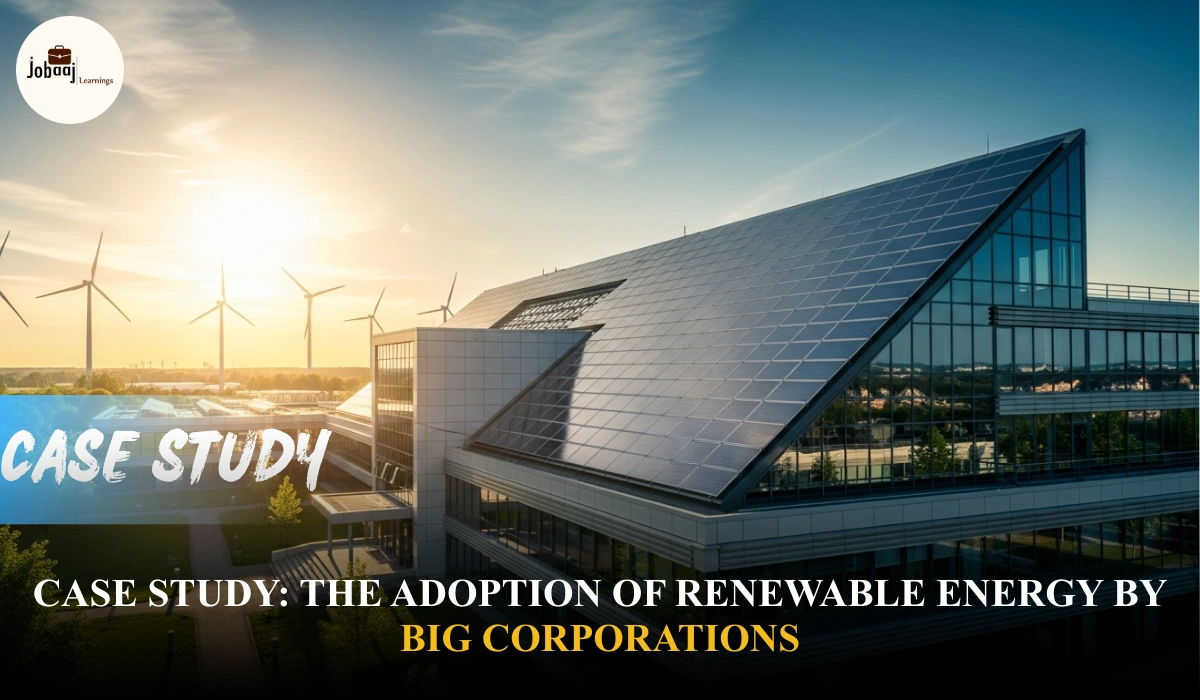
In 2026, there’s one truth that continues to echo louder than ever the planet needs help, and businesses are key to the solution. As climate change accelerates, it’s no longer just about what companies sell, but how they operate. Renewable energy adoption has become one of the most significant steps taken by big corporations to reduce their environmental impact, improve energy efficiency, and meet sustainability targets.
Think about it: the apparel you wear, the devices you use, the cars you drive, and even the groceries you buy all of these industries, big and small, are increasingly making the transition to renewable energy sources. The beauty of this change isn’t just in cleaner power it’s in the fact that these companies are breaking down old models and building something better, more responsible, and ultimately more sustainable.
This case study explores how some of the world’s biggest corporations have embraced renewable energy, the challenges they’ve faced, the incredible benefits they’ve reaped, and how this shift is helping them grow not just as businesses, but as ethical leaders in the fight against climate change.
The Problem
For years, the global energy market has been heavily reliant on fossil fuels. From the extraction process to the combustion of coal, oil, and natural gas, the negative impacts on the environment have been undeniable. Rising temperatures, extreme weather patterns, rising sea levels these are all consequences of our continued dependence on these non-renewable energy sources.
For large corporations, the problem isn’t just about the environmental impact it's also about reputation, market competition, and the growing pressure from governments, consumers, and investors to adopt greener, more ethical practices. The reality is, continued reliance on fossil fuels puts these companies at risk, both in terms of sustainability and long-term profitability.
So, what’s the solution? Renewable energy. It’s clean, it’s sustainable, and it’s something that can power companies forward into a future that’s not just profitable, but responsible. But making the switch is no easy task, especially for big corporations with complex energy needs and existing infrastructures based on traditional sources.
The challenge wasn’t just about “going green” it was about how to make that transition in a way that worked for their businesses and for the planet.
The Strategy
Patagonia, Google, Microsoft, Apple, and many others have led the way in shifting towards renewable energy, and their approach hasn’t been one-size-fits-all. Each company faced unique challenges based on their size, industry, and operational demands, but the solutions they found were remarkably similar. Let’s explore some of the key strategies they’ve used:
1. Commitment to Solar and Wind Power
For companies with large operations, renewable energy sources like solar and wind are often the most viable options. These companies have built solar farms or invested in wind turbines, ensuring that they can generate power directly from natural, renewable resources. Google, for example, has committed to running its global operations entirely on renewable energy, and the company has made significant strides in building wind and solar energy infrastructure.
For tech giants like Microsoft and Apple, shifting to solar and wind power for their data centers and office buildings was a priority. Their decision wasn’t just about environmental responsibility it was about ensuring that their long-term energy needs could be met with predictable costs and minimal environmental impact.
2. Power Purchase Agreements (PPAs)
Some corporations, especially those with large-scale energy demands, use Power Purchase Agreements (PPAs). These long-term contracts with energy providers guarantee access to renewable energy sources, often at fixed, affordable rates. Companies like Amazon and Facebook have turned to PPAs to secure renewable energy, ensuring that their operations remain powered by clean energy without the fluctuations of the open market.
3. Investing in Energy Storage
One of the challenges with renewable energy, especially solar and wind, is its intermittent nature. This means energy isn’t always available when needed. To overcome this, many companies have turned to energy storage systems like batteries to store excess energy generated during sunny or windy days and use it when the weather isn’t cooperating.
Tesla, for example, has been instrumental in developing large-scale battery solutions, which allow businesses to store renewable energy for use in off-peak hours, reducing reliance on the grid and minimizing carbon footprints.
4. Energy Efficiency Initiatives
Reducing energy consumption is just as important as shifting to renewable sources. Corporations have revamped their internal operations to increase energy efficiency. Companies like IKEA have retrofitted their stores with energy-efficient lighting, heating, and cooling systems, drastically lowering their overall energy use. Similarly, automakers have invested in electric vehicles (EVs) and greener supply chains, further enhancing their sustainability profiles.
5. Promoting Corporate Social Responsibility (CSR)
Beyond internal changes, these corporations have used their influence to advocate for renewable energy adoption at a broader scale. For instance, Patagonia has long been a champion of environmental causes, supporting policies that advocate for cleaner, greener practices across industries. By investing in renewable energy and using their platform for advocacy, these companies not only protect their own future but also push for systemic changes.
Findings
As these companies transitioned to renewable energy, the results were not only felt in terms of environmental benefits, but also in financial performance, brand loyalty, and market influence:
-
Cost Savings Over Time
Although the initial investment in renewable energy infrastructure was high, many companies found that over time, they saved significantly on energy costs. By locking in fixed energy prices through PPAs and generating their own clean energy, businesses were able to stabilize energy expenses while supporting the environment. -
Improved Brand Loyalty
Consumers are increasingly conscious of environmental impact, and many companies that have committed to renewable energy have seen an uptick in customer trust and loyalty. Apple, for example, consistently ranks among the most trusted brands for sustainability, largely due to its renewable energy initiatives. -
Compliance with Global Standards
By adopting renewable energy, these companies ensured compliance with growing global environmental regulations and met international climate agreements like the Paris Agreement, helping mitigate risks associated with regulatory penalties and carbon taxes.
Results
By investing in renewable energy, companies have achieved:
-
Reduced Carbon Footprint: Major corporations have cut their carbon emissions significantly, contributing to the fight against climate change.
-
Cost Savings: Long-term contracts for renewable energy have allowed companies to lock in stable rates, reducing their overall energy costs.
-
Enhanced Reputation: Companies like Google, Microsoft, and Apple have boosted their public image by making bold sustainability commitments, earning the trust of customers and investors alike.
-
Industry Leadership: Through their commitment to renewable energy, these companies have set new industry standards, pushing competitors to follow suit.
Conclusion
The adoption of renewable energy by major corporations is more than just a trend it’s a business strategy for the future. These companies have demonstrated that it’s not only possible to run profitable operations while protecting the environment, but it’s also the smart thing to do.
As we move forward into 2026, renewable energy will continue to be a critical component of business sustainability. By prioritizing clean energy sources, companies not only reduce their carbon footprints, but also set a high standard for others to follow. The transition to renewable energy is no longer a choice it’s an imperative, and the world’s largest corporations are proving it’s the right move for both the planet and their bottom line.
Don’t worry, you’re not alone. Data analysis might seem intimidating at first, but with the right guidance, it becomes an exciting and valuable skill to master.
Click the link below to join our program, where Rakshit Vig and Shiva Vashishth, industry experts, will teach you everything you need to know about Data and Business Analytics. Learn to turn complex data into actionable insights and never feel overwhelmed again!
Join our latest cohort NOW and unlock the world of data!
[Disclaimer: This case study is entirely hypothetical and unrelated to real-world situations. It's designed for educational purposes to illustrate theoretical concepts and potential scenarios within a given context. Any similarities to actual events or individuals are purely coincidental.]






