

 Categories








































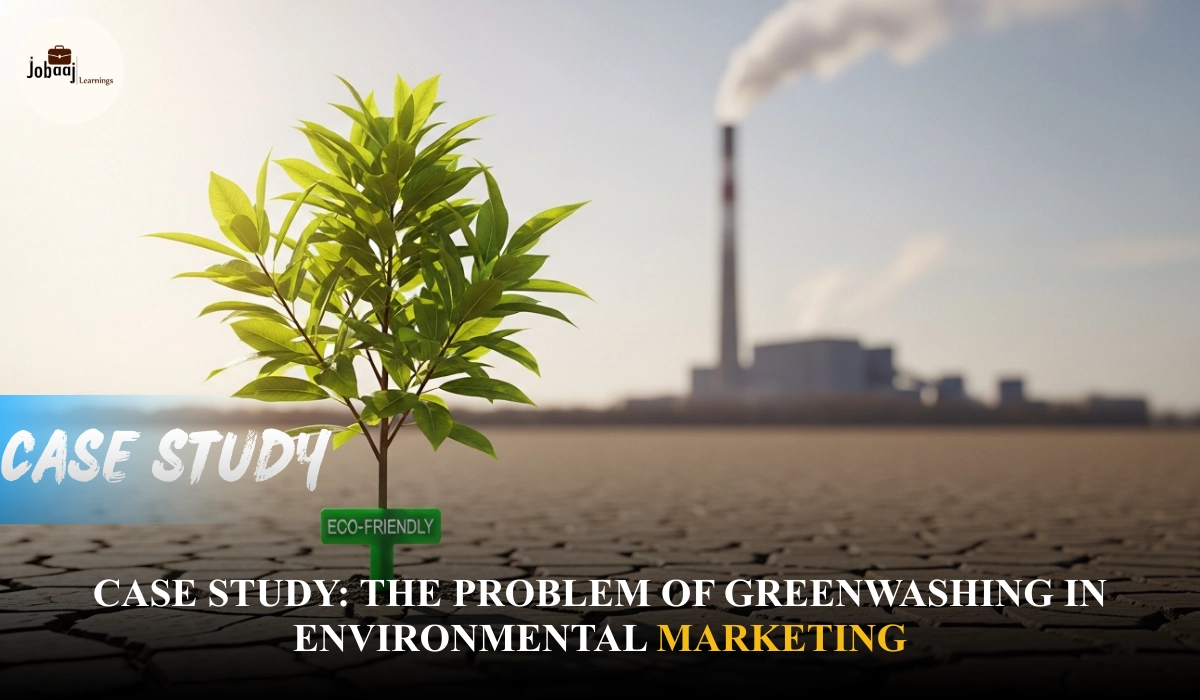
Greenwashing refers to the practice of companies misleading consumers about the environmental benefits of their products or services. While the goal of sustainability is increasingly important, some companies exploit the green movement to sell products that don’t live up to their claims. In this case study, we will explore the problem of greenwashing in environmental marketing, its impact on consumers, and how companies can avoid falling into this trap.
Problem:
The problem with greenwashing is simple: companies sometimes use deceptive advertising to falsely promote their products as environmentally friendly, even when their practices don’t align with these claims. This leads to consumer confusion, misrepresentation of products, and ultimately, a breakdown in trust between brands and their customers.
Greenwashing can come in many forms whether it’s misleading labels, vague environmental claims, or eco-friendly imagery that doesn’t reflect the true environmental impact of a product. As sustainability becomes a central value for modern consumers, some companies see an opportunity to tap into this trend without making real changes to their production processes.
The rise of greenwashing presents several challenges:
-
Consumer Misleading: Customers want to support eco-friendly brands, but they’re often misled by false claims.
-
Loss of Trust: Once consumers realize they’ve been deceived, they may lose trust in the entire sustainability movement and hesitate to believe future claims.
-
Stagnation in Environmental Progress: Greenwashing can prevent real progress by shifting focus away from actual sustainable practices and towards marketing tactics.
-
Legal Consequences: Brands that engage in greenwashing may face legal repercussions for misleading advertising.
How do we address this growing problem in environmental marketing?
Findings:
1.The Prevalence of Greenwashing:
Greenwashing is unfortunately common, with many well-known brands falling into the trap of making exaggerated claims. A study by the European Commission found that over 40% of sustainability claims made by companies were vague or misleading. Examples include:
-
Products labeled as “100% natural” but containing synthetic additives.
-
Packaging labeled as “eco-friendly” without evidence that it’s made from recycled materials or can be recycled.
-
Marketing campaigns promoting carbon-neutral products without substantial evidence of emission reductions.
2.Common Greenwashing Tactics:
-
Vague and Misleading Labels: Phrases like "green," "eco-friendly," or "natural" are often used without clear definitions or third-party certifications.
-
Lack of Transparency: Brands may make broad environmental claims without providing details about their sourcing, manufacturing, or supply chain practices.
-
Irrelevant Claims: Companies sometimes highlight one positive aspect of their product (like a small recyclable component) while ignoring larger environmental impacts (such as unsustainable production practices).
-
Fabricated Certifications: Some companies create fake or misleading certifications that aren’t backed by legitimate sustainability standards or independent audits.
3.Impact on Consumers:
Greenwashing erodes consumer confidence in sustainability claims. When people feel duped, they may become skeptical about all products marketed as environmentally friendly, which undermines the efforts of companies that are genuinely committed to sustainable practices.
4.Impact on Genuine Sustainable Brands:
For companies that are truly invested in sustainability, greenwashing by others creates unfair competition. Genuine eco-friendly businesses that invest in sustainability often struggle to differentiate themselves from those who exploit the movement without genuine commitment.
Strategy:
1.Clear and Transparent Communication:
Companies must communicate their sustainability efforts transparently. Rather than vague terms like “eco-friendly” or “green,” brands should explain exactly what makes their products sustainable such as the sourcing of raw materials, the energy efficiency of their production methods, or the recyclability of their packaging.
2.Third-Party Certifications:
To build trust and authenticity, businesses should seek certifications from well-known organizations that are independent and recognized in the industry. Examples include the Fair Trade, Global Organic Textile Standard (GOTS), and B Corp certifications, which provide consumers with verifiable proof of a brand’s commitment to sustainability.
3.Sustainability in Practice:
Companies must move beyond marketing slogans and implement tangible, measurable actions that reduce their environmental impact. This includes initiatives like reducing carbon emissions, using renewable energy, minimizing waste, and ensuring that supply chains are ethical and environmentally responsible.
4.Engaging with Consumers:
Engaging consumers in sustainability efforts can help build a loyal customer base. Brands should encourage consumer education, provide updates on their sustainability progress, and respond to consumer feedback about their green initiatives.
Approach:
To tackle greenwashing, businesses need to integrate sustainability into the core of their operations, not just their marketing. Here’s how companies can approach this:
1.Conduct a Sustainability Audit:
Before making environmental claims, businesses should conduct a comprehensive audit of their practices, products, and supply chain. This allows them to identify areas where they can make real improvements rather than relying on superficial claims.
2.Leverage Technology:
Companies can use technologies like Blockchain to create transparency in their supply chain. Consumers should be able to trace the journey of products and verify claims about the environmental impact.
3.Collaborate with NGOs and Industry Leaders:
Partnering with environmental organizations can provide credibility to a brand’s sustainability claims. Collaboration can also help brands learn from the best practices in the industry and improve their environmental footprint.
Lessons Learned:
1.Honesty is Key:
Brands that are transparent and honest about their sustainability efforts build trust with consumers. Greenwashing may provide short-term benefits, but in the long run, it damages a company’s reputation and credibility.
2.Marketing and Sustainability Must Align:
A marketing campaign that promotes a product as environmentally friendly must align with actual practices and results. Greenwashing occurs when companies try to “sell” sustainability rather than truly implementing it.
3.Consumers Are More Informed Than Ever:
Today’s consumers are increasingly educated about sustainability issues, and they can easily spot misleading claims. Brands need to invest in educating their customers about their sustainability practices and be open to questions.
Results:
1.Increased Consumer Trust:
Companies that maintain authenticity in their sustainability claims see a rise in customer trust and loyalty. Brands like Patagonia and The Body Shop have built strong customer relationships by aligning their values with their practices.
2.Long-Term Business Success:
Companies that genuinely commit to sustainability create long-term value, both environmentally and financially. Authentic green brands often experience higher growth rates and increased market share as consumers continue to prioritize eco-friendly options.
3.Industry Standards for Green Claims:
As awareness around greenwashing grows, many industries are developing stricter guidelines for sustainability marketing. These standards help differentiate between genuine efforts and mere marketing tactics, promoting greater accountability.
Conclusion:
Greenwashing in environmental marketing undermines the true value of sustainability and creates confusion in the market. For businesses looking to be part of the green movement, it’s essential to align marketing efforts with real, tangible actions that demonstrate a commitment to sustainability.
In an age of informed consumers, authenticity is key. The companies that succeed will be those that deliver on their promises, offer transparency, and contribute to a sustainable future. For brands looking to avoid greenwashing, the solution lies in embracing sustainability at every level of the business from product design to supply chain management while ensuring that marketing reflects their true commitment to the planet.
Was that tough?
Think you won't make it in the field of Digital Marketing?? Don't worry, we got you!
Click Here to join hundreds of other aspiring individuals who aim to become Performance Marketers and help mega-corporations run their next successful marketing campaign!
Join our latest cohort NOW!!






