

 Categories










































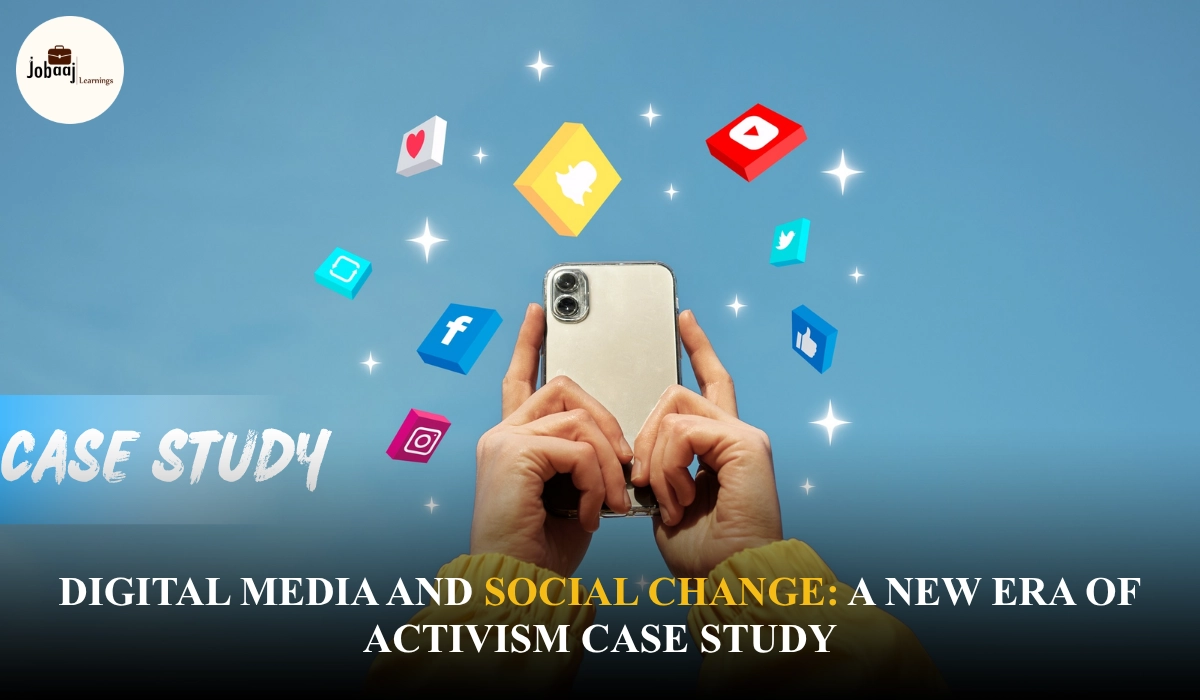
In the digital age, social media and digital platforms have emerged as powerful tools for social change. From raising awareness about environmental issues to advocating for human rights, digital media has become a key player in driving social movements and encouraging global action. This case study explores how digital media is being leveraged in social change initiatives, focusing on real-world examples, strategies, and the results of these efforts.
The Problem
Traditional methods of social change such as protests, petitions, and word-of-mouth campaigns have been effective but limited by geographical, economic, and social barriers. The problem areas in traditional methods include:
- Limited reach and accessibility: Social change efforts were often confined to specific regions or communities, making it difficult to reach a global audience.
- Slow information dissemination: In traditional campaigns, the spread of information was slower, relying heavily on physical presence or print media.
- Resource limitations: Grassroots organizations often struggled with limited resources, making it hard to sustain and scale efforts.
With the rise of digital media, these challenges are being addressed. Social change initiatives can now reach a global audience instantly, gather support, and create real-time impact.
Strategy: How Digital Media Drives Social Change
Digital media platforms like Twitter, Facebook, Instagram, and TikTok have enabled the rapid spread of ideas and mobilization of people across the globe. The strategic use of these platforms is transforming the way social issues are addressed. Below are key strategies that social change initiatives have adopted using digital media:
1. Raising Awareness through Viral Campaigns
Social media platforms allow messages to go viral, reaching millions in a matter of hours. Movements like #MeToo, #BlackLivesMatter, and #ClimateChange started as digital campaigns that sparked global discussions on issues of sexual harassment, racial inequality, and environmental degradation. The strategy of raising awareness through viral hashtags and online movements has been incredibly effective in shedding light on social issues.
For example:
- #MeToo gained global traction, empowering people to share their personal stories and raising awareness about the prevalence of sexual harassment and assault.
- #BlackLivesMatter became a global movement that not only raised awareness but also sparked significant policy changes in policing and racial justice.
These campaigns harness the power of digital media to connect millions of voices and amplify their message.
2. Engaging Communities for Collective Action
Digital platforms are not just used to broadcast information; they also provide a space for interaction, collaboration, and collective action. Social media has enabled people to come together and share ideas, resources, and solutions for pressing issues.
- Crowdsourcing: Platforms like GoFundMe and Kickstarter allow individuals to donate to causes or fund social projects, making financial support more accessible.
- Digital petitions: Websites like Change.org make it easier for people to start petitions, mobilize others, and call for action on social issues.
This community-driven approach empowers individuals and organizations to work collectively toward a common goal, regardless of physical distance.
3. Advocating for Policy Change and Social Justice
Digital media platforms also serve as tools for advocating policy changes and social justice initiatives. Activists and organizations use platforms like Twitter and Facebook to share information, hold officials accountable, and create pressure for legislative action.
For example:
- The Arab Spring of 2010-2012 saw the widespread use of social media to rally protests, demand freedom, and overthrow oppressive governments in the Middle East and North Africa.
- Youth-led climate change movements have utilized social media platforms to push for government action, such as the Fridays for Future initiative by Greta Thunberg.
In these cases, digital media has been crucial in enabling direct interaction with decision-makers, reaching a broader audience, and sustaining the pressure needed for change.
4. Increasing Inclusivity and Representation
Digital media is breaking down barriers that once excluded marginalized communities from mainstream social movements. By providing a platform for voices often left out of traditional media narratives, social change initiatives are becoming more inclusive.
- Instagram and TikTok have given a voice to diverse groups, allowing them to create content that represents their culture, experiences, and challenges.
- Platforms like YouTube and Twitter provide a space for activists and advocates to speak directly to a global audience, offering unfiltered perspectives on issues like gender equality, racial justice, and LGBTQ+ rights.
Findings
The use of digital media in social change initiatives has had significant impact in several areas:
Increased Global Reach and Influence
Digital media allows movements to transcend national borders and connect with a global audience. Campaigns that would have once been limited to local communities now have the ability to reach millions across different countries.
Real-Time Mobilization and Action
Digital media facilitates immediate mobilization. Whether it’s organizing a protest, sharing a petition, or supporting a cause, people can act instantly. This real-time capability has significantly increased the speed at which social movements gain traction and generate results.
Empowered Communities and Grassroots Organizations
Organizations that once struggled to gain visibility now have access to social media platforms, allowing them to build communities of supporters and take action. This empowerment has enabled grassroots organizations to thrive in the digital era.
Results
The results of using digital media in social change initiatives are evident in both societal impact and the policies that have changed as a result of digital advocacy:
- Racial Justice: The #BlackLivesMatter movement has led to real-world policy changes in policing, such as changes in police accountability and reforms in criminal justice systems across the U.S.
- Environmental Action: Movements like Fridays for Future and Extinction Rebellion have put climate change at the forefront of political agendas, pushing governments to adopt stricter environmental policies and reduce carbon emissions.
- Gender Equality: The #MeToo movement has led to more stringent workplace policies regarding sexual harassment and a broader social acknowledgment of women’s rights globally.
Digital media has not just raised awareness, but has also successfully driven action, leading to meaningful changes in laws, policies, and social norms.
Key Learnings from Digital Media in Social Change Initiatives
- Reach and Speed Matter: Digital media can rapidly amplify a message and mobilize a community for immediate action.
- Inclusive and Diverse Participation: Social media platforms offer an accessible platform for marginalized groups, allowing for a more diverse and inclusive participation in social change.
- Real-World Impact: While online movements begin on digital platforms, they often translate into tangible, real-world outcomes, including policy change and cultural shifts.
- Accountability and Transparency: Social media helps hold leaders and institutions accountable, providing a transparent space for advocacy.
Conclusion
Digital media has redefined the landscape of social change initiatives, making it easier than ever to raise awareness, mobilize communities, advocate for policy change, and drive real-world impact. From viral hashtags to digital petitions, the power of social media continues to transform the way we advocate for social justice, environmental sustainability, and equality.
As digital platforms continue to evolve, their role in shaping the future of social movements will only grow, providing new opportunities for collaboration, inclusivity, and collective action.
Was that tough?
Think you won't make it in the field of Digital Marketing?? Don't worry, we got you!
Click Here to join hundreds of other aspiring individuals who aim to become Performance Marketers and help mega-corporations run their next successful marketing campaign!
Join our latest cohort NOW!!





