

 Categories








































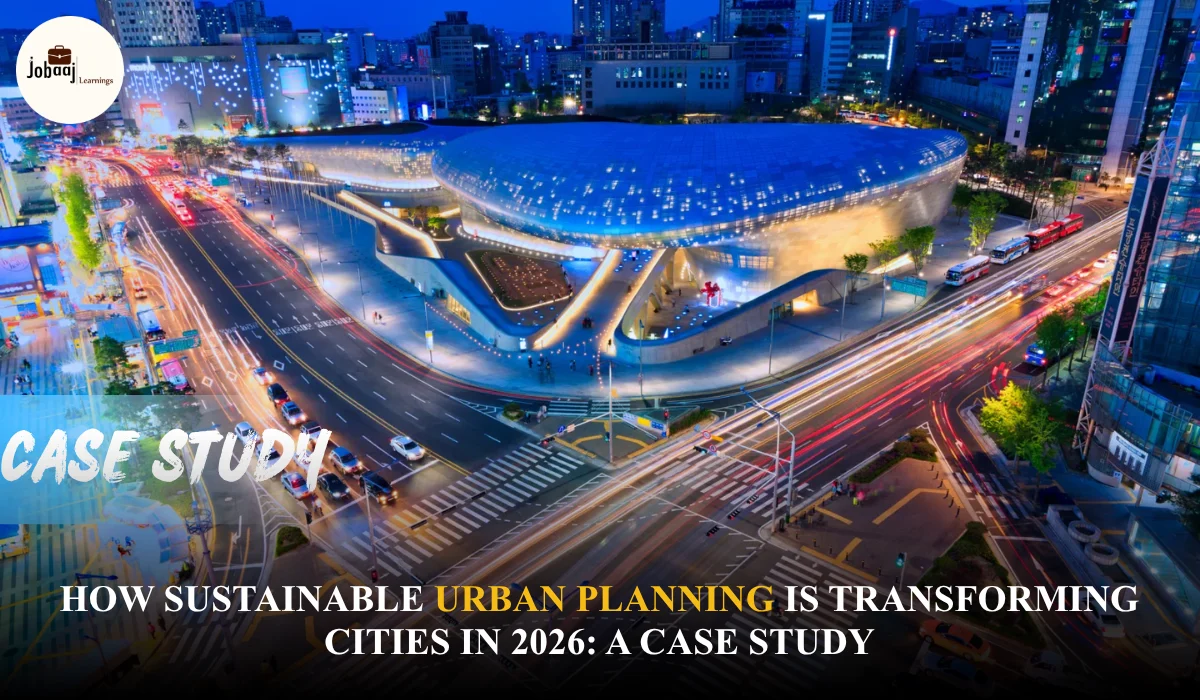
As the global population continues to rise, urban areas are becoming increasingly crowded, demanding innovative solutions to ensure cities are sustainable and livable for future generations. Sustainable urban planning has emerged as a critical approach to addressing the complex challenges of modern cities, focusing on reducing environmental impact, improving quality of life, and enhancing resource efficiency.
In this case study, we explore how modern cities are embracing sustainable urban planning strategies to create greener, more efficient, and resilient urban spaces. From green infrastructure and eco-friendly building designs to smart city technologies, we will examine successful examples and challenges faced by cities in implementing sustainable practices.
Problem Statement
The rapid expansion of cities has led to several pressing challenges, including:
- Overpopulation: Many cities are struggling to accommodate growing populations, leading to congestion, strained public services, and environmental degradation.
- Environmental Degradation: Urban sprawl contributes to increased air pollution, water scarcity, and loss of green spaces.
- Resource Management: Inefficient use of resources like energy, water, and waste management is a major issue in cities.
- Social Inequality: Access to basic services, green spaces, and public transport remains unequal in many urban areas, exacerbating poverty and social division.
Without a sustainable approach to urban planning, cities will continue to face environmental, social, and economic challenges. The shift towards sustainable urban planning aims to tackle these problems head-on and create urban environments that are resilient, resource-efficient, and inclusive.
Methodology
To understand how sustainable urban planning is shaping modern cities, we gathered data from:
- Global case studies of cities implementing sustainable practices (e.g., Copenhagen, Singapore, and Curitiba).
- Interviews with urban planners, architects, and city officials.
- Analysis of reports from organizations like the UN Habitat and the World Bank on sustainable development.
- Survey data on public perceptions of sustainability in urban areas.
By examining these sources, we gained insights into the strategies that have worked, the obstacles faced, and the overall impact of sustainable urban planning on the quality of life in cities.
Findings
1. Green Infrastructure and Eco-Friendly Buildings
Modern cities are increasingly prioritizing green infrastructure systems that integrate natural elements into urban environments. This includes:
- Green roofs and walls that reduce the urban heat island effect and improve air quality.
- Urban forests and parks that provide cooling, biodiversity, and recreational spaces for residents.
- Sustainable building materials and energy-efficient designs that reduce carbon footprints.
Example: In Copenhagen, the city’s efforts to integrate green infrastructure have led to the development of over 100 green roofs, helping manage rainwater and reduce energy consumption in buildings. The city also prioritizes energy-efficient public transportation, contributing to a cleaner environment.
2. Public Transportation and Smart Mobility
Sustainable urban planning goes beyond green spaces and buildings. Efficient public transportation systems and smart mobility technologies are key to reducing traffic congestion, lowering emissions, and promoting a healthy lifestyle.
- Electric buses, bicycle-sharing programs, and carpooling initiatives are becoming common in many cities.
- Smart transportation systems use data and IoT (Internet of Things) to optimize traffic flow, reduce wait times, and encourage the use of public transport.
Example: Singapore has become a leader in smart mobility, using advanced data analytics to manage its traffic system and reduce congestion. The city has also implemented electric vehicle (EV) charging stations to promote the use of sustainable vehicles.
3. Water Management and Waste Reduction
Efficient use of resources like water and energy is a cornerstone of sustainable urban planning. Cities are adopting technologies that focus on resource conservation and waste management, including:
- Rainwater harvesting systems to supplement water supply.
- Zero-waste initiatives to reduce landfill waste by encouraging recycling and composting.
- Smart meters to monitor energy and water usage, helping residents and businesses conserve resources.
Example: Curitiba, Brazil, is known for its waste management success. The city has a unique recycling program that incentivizes residents to collect and sort their waste in exchange for bus tokens, promoting both environmental sustainability and social equity.
4. Inclusive and Affordable Housing
Sustainable urban planning also focuses on making cities more inclusive and equitable by ensuring that housing is both affordable and energy-efficient. This includes:
- Mixed-income housing projects that provide affordable living options for lower-income residents.
- Energy-efficient housing with low utility costs, helping families save money while reducing the city’s carbon footprint.
Example: Vancouver has developed a series of green affordable housing projects that use energy-efficient systems, solar panels, and green spaces. This approach not only provides affordable housing but also improves the well-being of residents by offering cleaner and healthier living environments.
Results and Impact
The results of implementing sustainable urban planning are already visible in several cities worldwide:
- Reduced Carbon Emissions: Cities with green infrastructure and efficient public transportation systems have significantly reduced their carbon emissions. Copenhagen aims to become carbon-neutral by 2025, and Vancouver has already cut its emissions by 10% since 2007.
- Improved Quality of Life: Urban spaces with parks, green areas, and efficient waste management lead to a higher quality of life, reducing stress and promoting health. For instance, cities like Singapore have improved air quality, which directly contributes to lower rates of respiratory illnesses.
- Economic Growth: Sustainability leads to economic benefits, with companies and governments investing in green technologies, renewable energy, and eco-friendly solutions. Curitiba’s sustainable waste management model has created thousands of jobs, contributing to the city’s economic growth.
- Social Equity: Access to green spaces, efficient public transport, and affordable housing has made cities more inclusive. Urban areas that prioritize sustainability see lower rates of poverty and social unrest.
Challenges and Lessons Learned
Despite the progress, there are still challenges in achieving sustainable urban planning:
- High Initial Costs: Green infrastructure and sustainable technologies often require significant upfront investment, which can be a barrier for some cities, especially those in developing countries.
- Resistance to Change: In many cities, there is resistance from residents and businesses to adopting sustainable practices due to convenience, cost, or lack of awareness.
- Policy and Coordination: Effective urban planning requires coordination across multiple government departments and sectors. Without cohesive policies and strong leadership, initiatives can be fragmented and ineffective.
Lesson Learned:
Collaboration between local governments, businesses, and residents is key to successful sustainable urban planning. Cities that prioritize community involvement in decision-making are more likely to succeed in implementing sustainable solutions.
Conclusion
Sustainable urban planning is no longer an optional luxury; it is a necessity for cities to thrive in the face of growing populations and environmental challenges. Through innovative green infrastructure, smart mobility, and resource-efficient technologies, cities around the world are paving the way for a more sustainable and equitable future.
By adopting these practices, cities can reduce environmental impacts, promote social equity, and create resilient communities that are equipped to face future challenges. While obstacles remain, the progress made by cities like Copenhagen, Singapore, and Curitiba offers valuable insights and inspiration for urban planners and policymakers worldwide.
Don’t worry, you’re not alone. Data analysis might seem intimidating at first, but with the right guidance, it becomes an exciting and valuable skill to master.
Click the link below to join our program, where Rakshit Vig and Shiva Vashishth, industry experts, will teach you everything you need to know about Data and Business Analytics. Learn to turn complex data into actionable insights and never feel overwhelmed again!
Join our latest cohort NOW and unlock the world of data!
[Disclaimer: This case study is entirely hypothetical and unrelated to real-world situations. It's designed for educational purposes to illustrate theoretical concepts and potential scenarios within a given context. Any similarities to actual events or individuals are purely coincidental.]






